
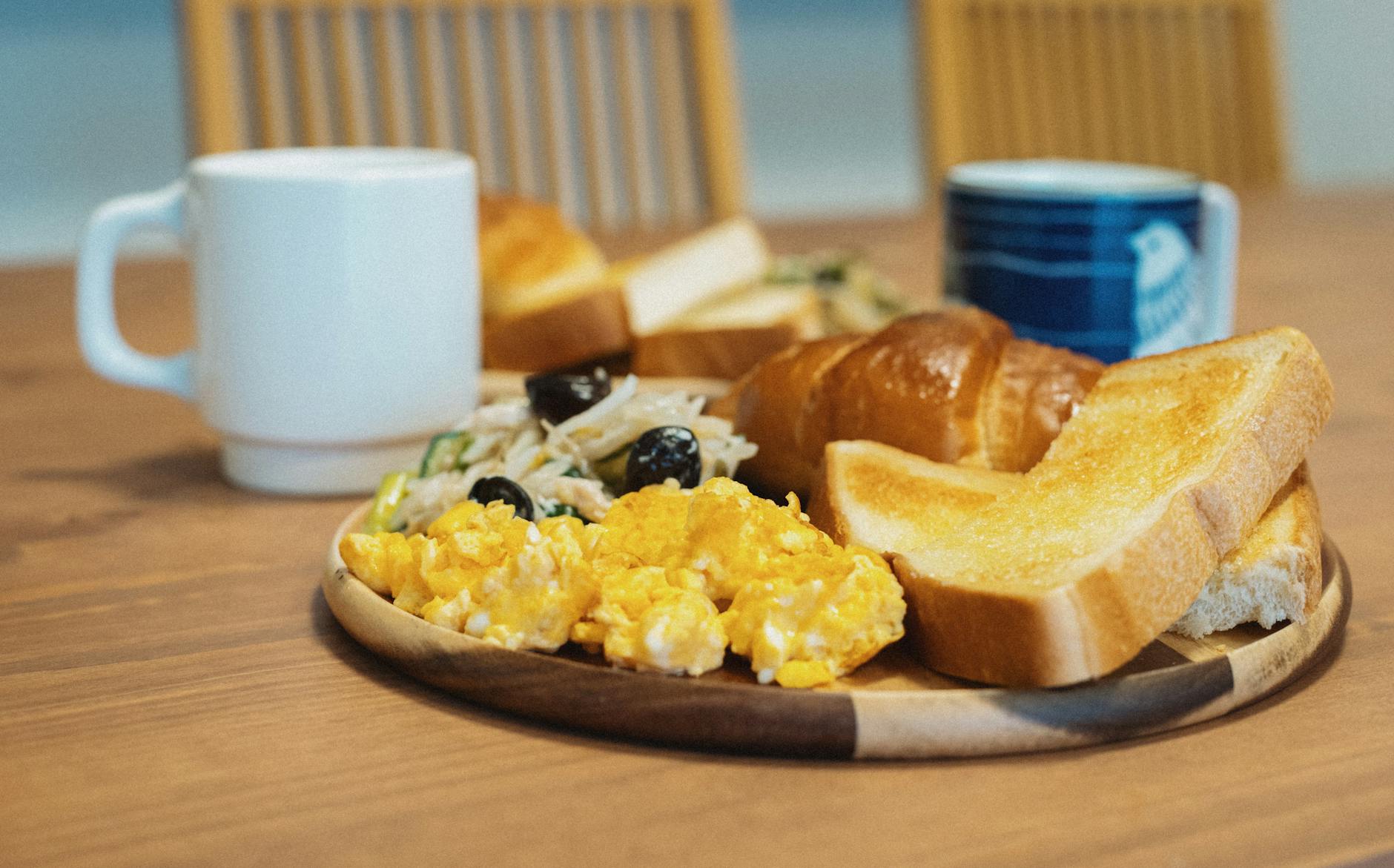
A traditional Japanese breakfast is usually a small spread, not one stacked plate: steamed rice, a bowl of miso soup, a protein, pickles, and a couple of sides. Think ichiju-sansai (one soup, three dishes) adapted for morning – savory, balanced, and easy to nibble in any order.
Answer first: the classic plate map
| Piece | What it usually is | Why it’s there |
|---|---|---|
| Gohan (rice) | Hot white rice (sometimes okayu porridge when you’re under the weather) | Staple base of the meal |
| Miso shiru | Miso soup with tofu, wakame, green onion, or seasonal bits | Warm, salty “one soup” |
| Protein | Grilled fish (salmon/mackerel), tamagoyaki, tofu, or natto | Savory center without a huge portion |
| Tsukemono | Pickled vegetables | Crunch + palate reset |
| Extras | Nori, small salad, leftover veggies, maybe a tiny fruit | Color and texture |
You eat family-style from shared small dishes. There is no mandatory “start with the fish” – rice and soup run through the meal.
What mornings look like in real life
The full spread is common at ryokan, some business hotels, and homes with time. Busy weekday mornings often shrink: rice + miso + one side, toast and coffee, convenience-store onigiri, or a bakery run. Tourist photos of lavish trays are real – just not every Japanese person’s 7 a.m. default.
Where travelers meet Japanese breakfast food
- Ryokan / minshuku: The textbook tray – ask if fish or Japanese set is included when you book.
- Hotels: Buffets often mix Japanese corners (rice, miso, grilled fish, natto) with Western items.
- Kissaten / morning sets: Coffee-shop “morning” deals can be toast-forward; some still offer rice sets – check the menu photo.
- Konbini: Onigiri, egg sandwiches, small salads, miso soup cups – practical, not ceremonial.
- Chain breakfast: Gyudon and rice-bowl chains sometimes sell morning fish or natto sets.
Confirm allergy notes yourself – dashi (fish stock) appears in many miso soups. Prices vary by property; treat any blog yen figure as outdated until you see the booking page.
Trying the idea at home (light, not a cookbook)
If you cook: steam rice, simmer a simple miso soup, add one protein you already like (baked salmon, scrambled egg, tofu), and something pickled or crunchy. Specialty sites go deep on recipes; this page stays a decoder so you recognize the plate when you travel. For wider eating context, see the Japanese food guide.
FAQ
Is natto required?
No. Natto is a frequent optional side – love it or skip it. The core pattern is rice + soup + protein + pickle.
Do people drink green tea at breakfast?
Often yes at home or ryokan. Hotels and kissaten may default to coffee – both are normal.
Is Japanese breakfast always healthy?
The classic spread leans protein, vegetables, and controlled portions – but sodium in soup/pickles adds up, and hotel buffets invite second rounds. “Healthy” depends on what you actually pick.
Why does search also show a band named Japanese Breakfast?
The musician’s name collides with the food query in English SERPs. This page is only about the meal.


