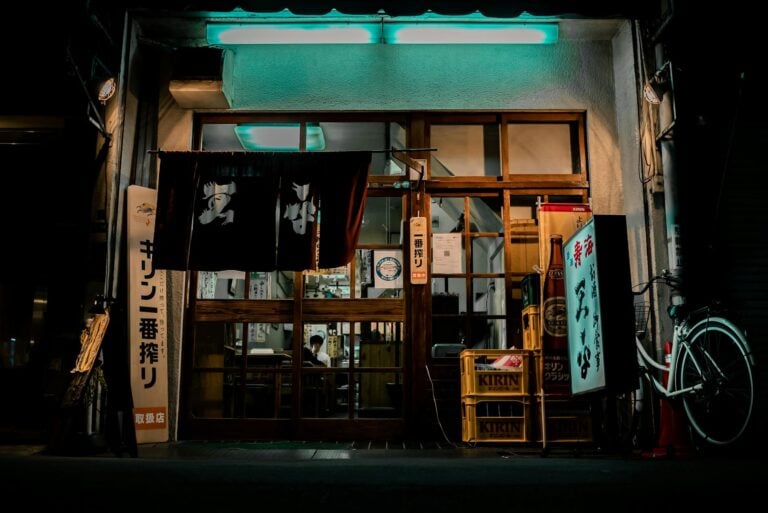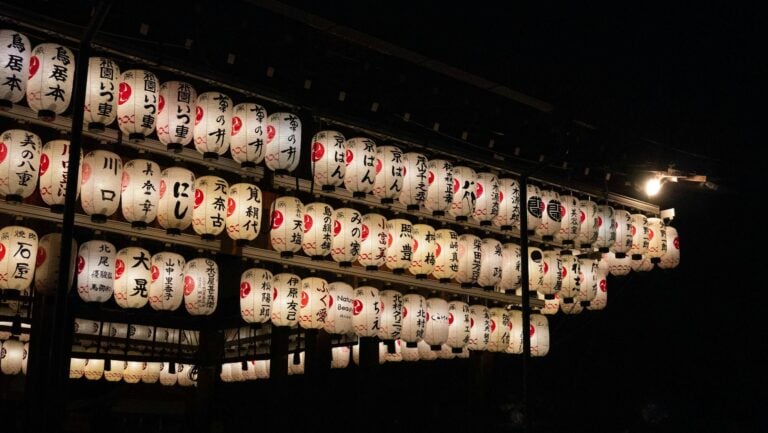
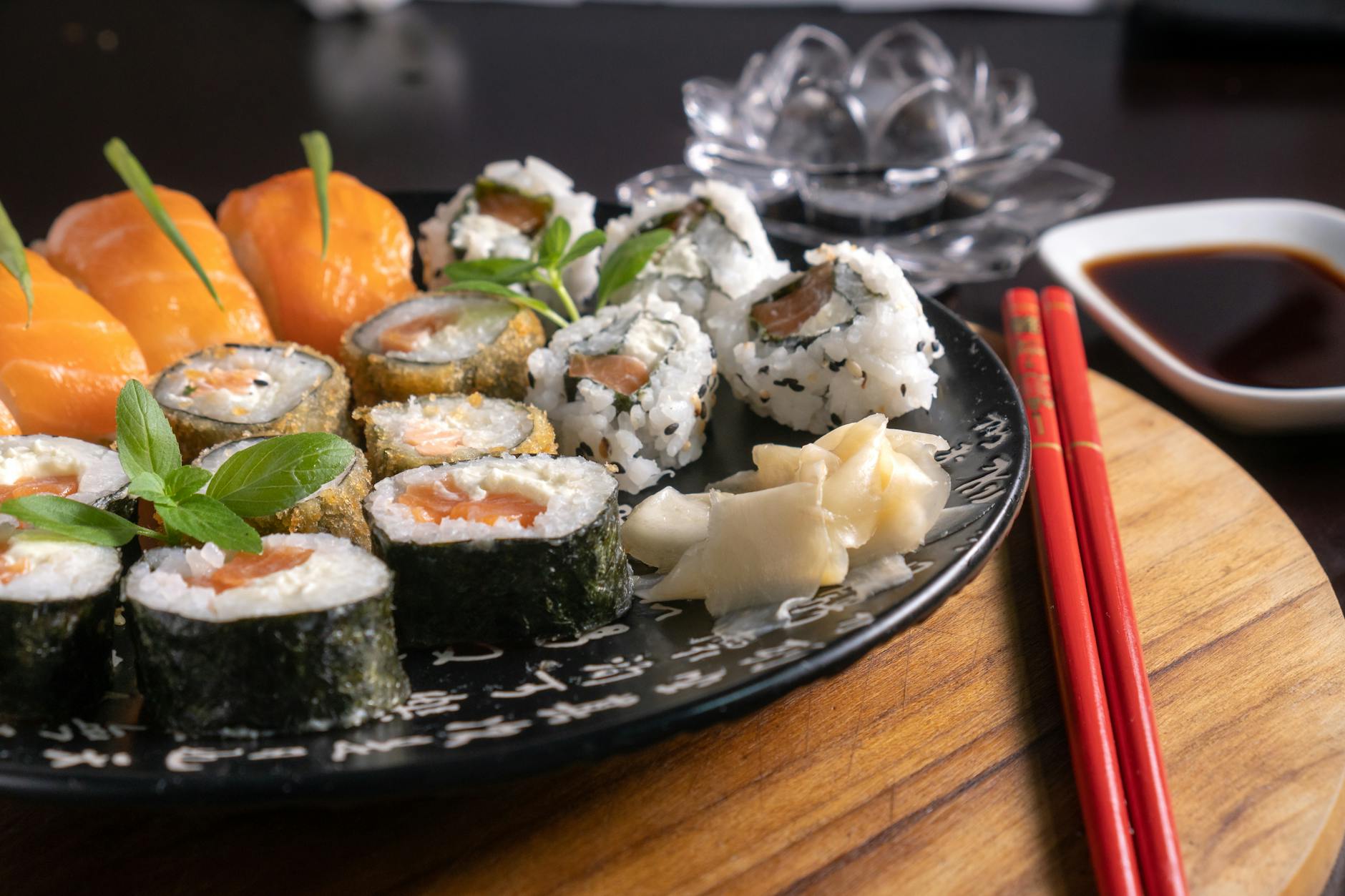
Japanese food culture is bigger than a sushi checklist. It’s a set of values and customs—seasonality, balance, respect for ingredients, and how a meal is paced—that shape everyday eating as much as special-occasion dining. Famous dishes are the visible layer; the culture is why those dishes are served the way they are.
Culture vs menu (quick filter)
A menu guide tells you what to order. A food-culture guide tells you why meals feel structured, why seasonal specials matter, and which manners prevent friction. Use both: this page for the system; dish pages for what to eat.
Pillars you’ll actually notice
| Pillar | What it looks like | Traveler cue |
|---|---|---|
| Seasonality (shun) | Menus shift with fish, veg, sweets | Ask what’s good “now,” not only signature dishes |
| Balance & structure | Rice + soup + sides thinking (home and set meals) | Teishoku set meals teach the pattern fast |
| Ingredient respect | Simple prep when produce is excellent | Don’t equate “plain” with “incomplete” |
| Presentation | Portion, color, dishware matter | Photograph after you’ve looked—then eat |
| Regional pride | Prefectures defend local noodles, sauces, sweets | Eat the local specialty where you are |
“Washoku” is often used as shorthand for traditional Japanese foodways—home cooking patterns, seasonal celebration foods, and the idea that how you eat is part of the culture. Modern Japan also runs on convenience stores, chain ramen, and global fusion; tradition and convenience coexist on the same train ride.
Where travelers meet the culture
- Convenience stores & depachika: packaged bentos and department-store basements show everyday quality standards.
- Counters & ticket machines: ramen and donburi shops teach speed, order flow, and focused eating.
- Izakaya: shared plates, pouring for others, pacing drinks with food.
- Sushi / specialty counters: trust the order of pieces when a chef is guiding.
- Kaiseki / formal meals: course structure and quiet attention—book with clear expectations, not surprise price shocks (confirm current pricing with the venue).
Dining customs that prevent friction
| Do | Don’t |
|---|---|
| Say a short thanks before/after meals if you want (itadakimasu / gochisousama) | Stick chopsticks upright in rice |
| Lift small bowls to eat neatly when that’s the local pattern | Pass food chopstick-to-chopstick |
| Ask before pouring soy over everything at sushi | Assume every place wants loud table selfies |
| Finish what you take at busy lunch counters when you can | Block the doorway while deciding for five people |
Bridge to what to eat
When you’re ready for dishes instead of systems:
- Japan food guide (overview)
- Sushi · Ramen · Udon
- Street food · Japanese desserts
- Japanese breakfast · Vegetarian / vegan Japan
FAQ
Is Japanese food culture only “traditional” restaurants?
No. Konbini rice balls and station noodles are part of how people actually eat. Tradition shows up as care and seasonality, not only lacquer trays.
Do I need perfect manners?
Aim for considerate, not perfect. Avoid the few hard no’s (chopstick taboos, blocking service), then watch your table.
How is this different from a food guide?
This page is values and customs. Dish guides answer “what should I try?”
Related on Fly JPN
Japan food guide · Japanese culture and traditions · Osaka food · Trip cost context