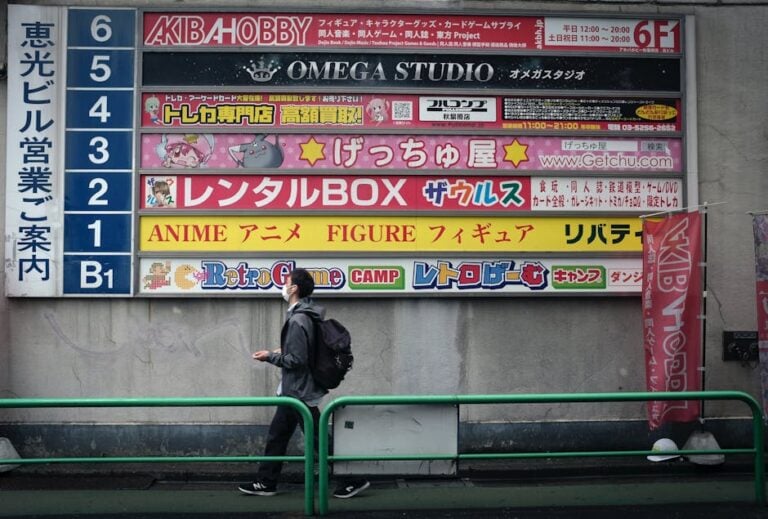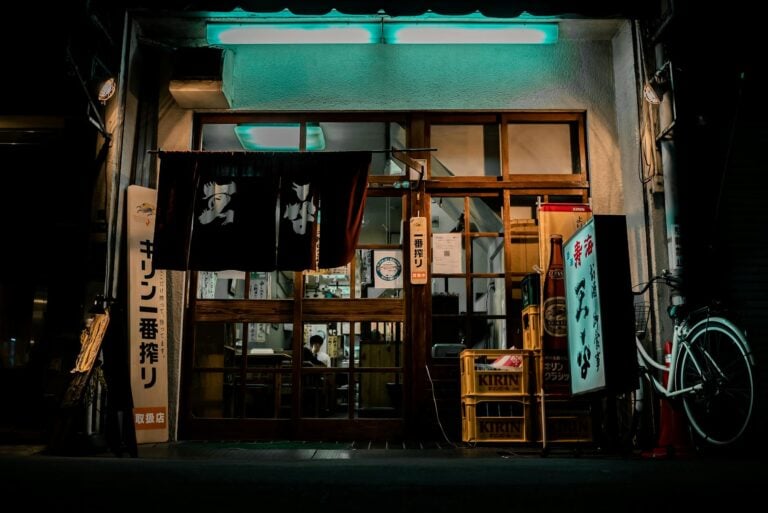
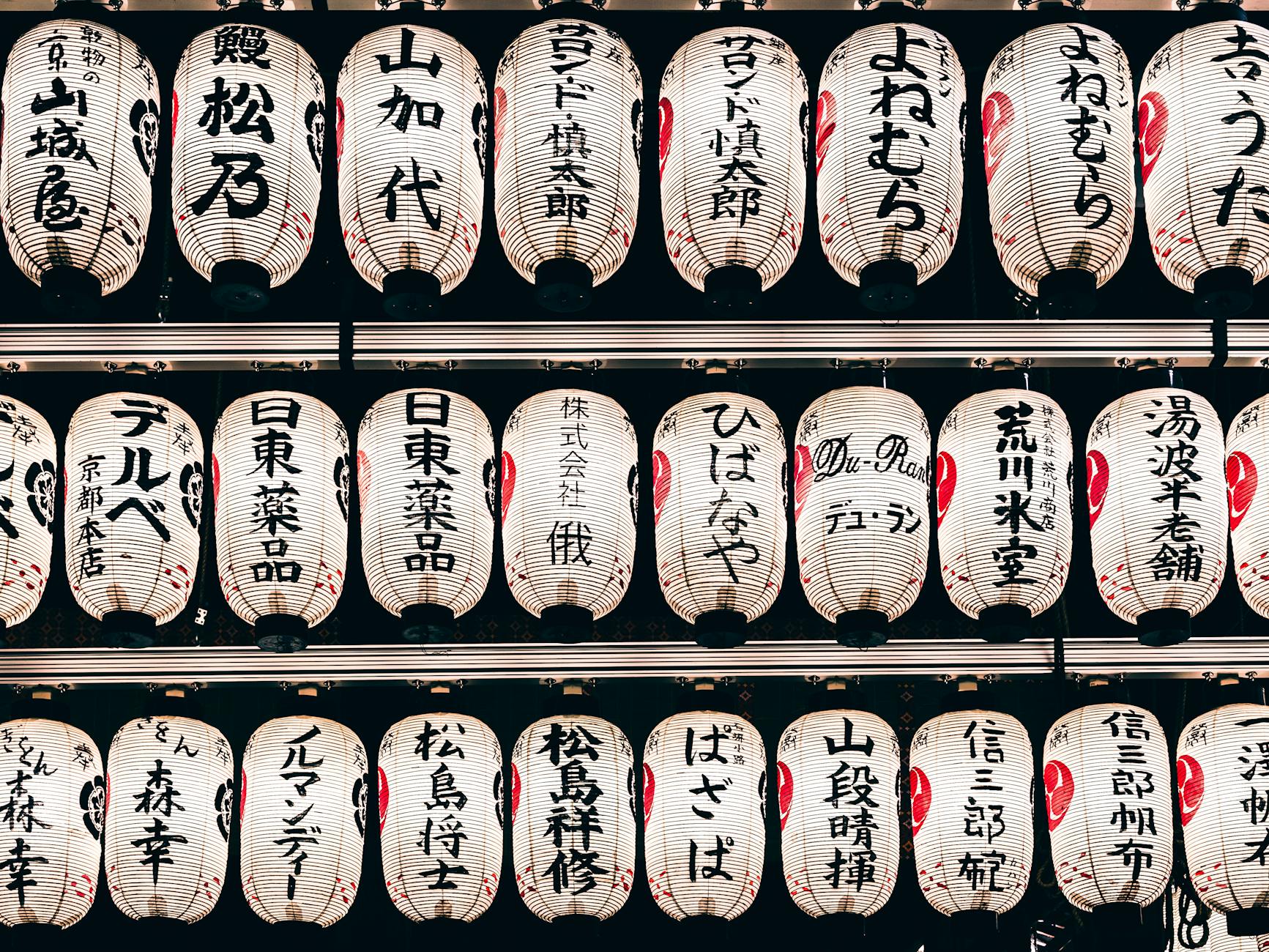
Japanese culture and traditions are not a costume museum. Daily life mixes continuity—seasonal habits, etiquette, shrine visits, food customs—with ultra-modern cities. This hub maps the clusters travelers and newcomers actually meet, then links deeper pages so you can go deep without reading one endless essay.
What tradition” feels like on the ground
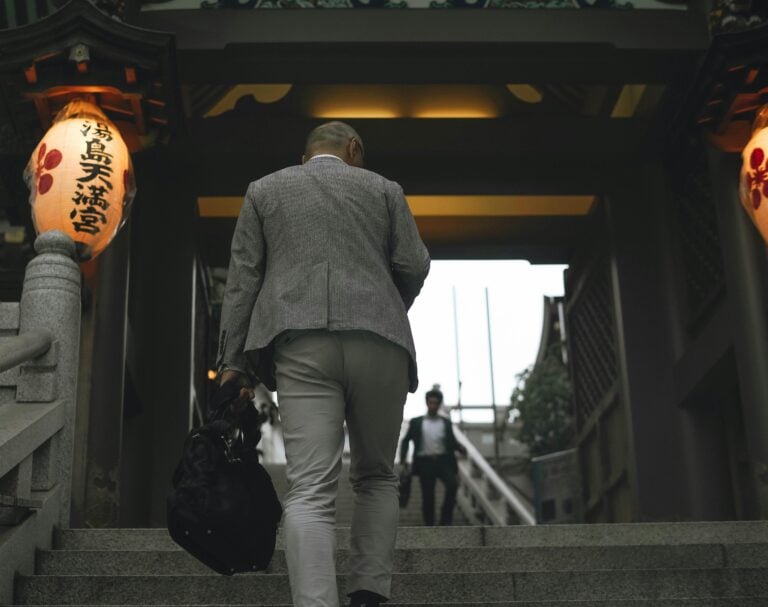
Youll notice small systems more than speeches: shoes off indoors, quiet trains, careful gift wrapping, queues that mostly work, and calendars that still track blossoms, heat, ancestors, and New Year. Values often summarized as harmony, respect, and reading the room show up as behavior—not as a checklist locals recite.
Tradition clusters (start here)
| Cluster | What it includes | Go deeper |
|---|---|---|
| Seasonal viewing & rites | Hanami, New Year visits, Obon ancestor season | Hanami · Obon |
| Festivals (matsuri) | Local shrine/temple celebrations by season | Japanese festivals |
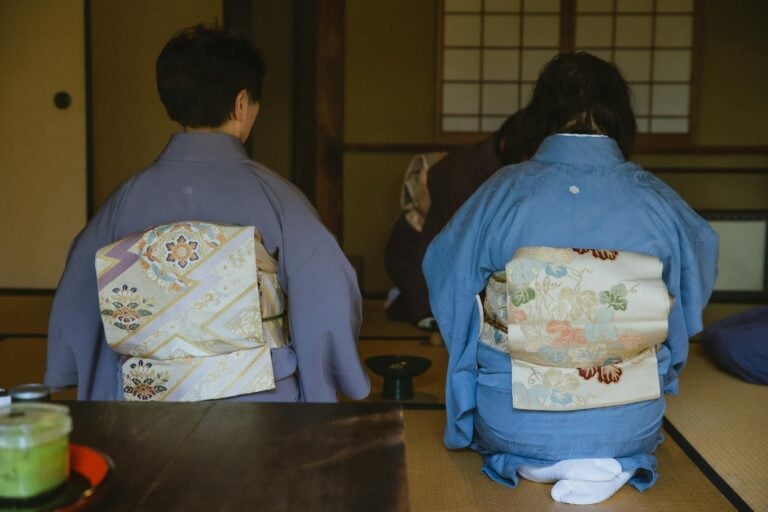
| Tea & refined arts | Tea ceremony, related hospitality ideas | Tea ceremony |
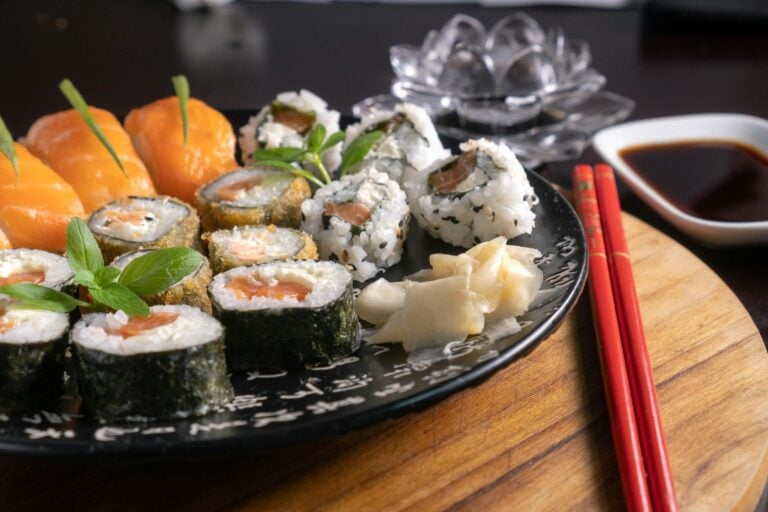
| Food as culture | Washoku values, meal manners, regional pride | Japanese food culture |
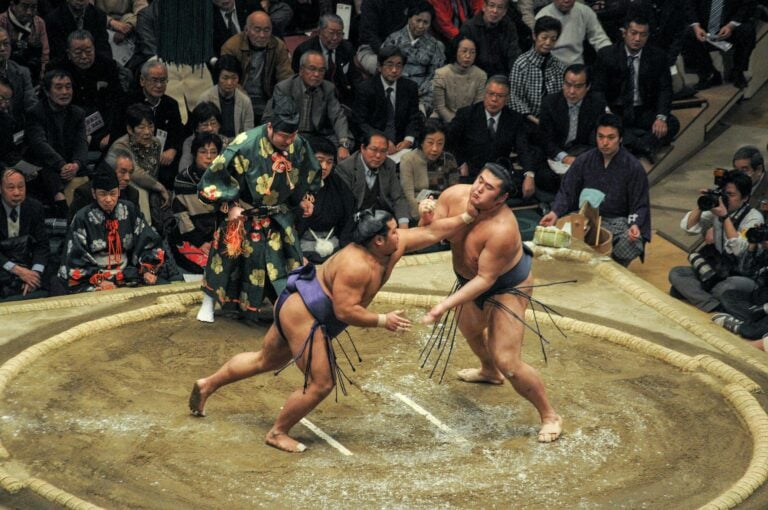
| Sport as ritual | Sumos calendar and ceremony | Sumo wrestling |
| Work & social norms | Hierarchy signals, after-work customs (for residents) | Japan work culture |
| Bathing manners | Onsen / sento etiquette | Onsen etiquette |
Short-trip menu (if you only have days)
- One seasonal practice: hanami in spring, autumn leaves walk, or a winter shrine visit—pick the season you’re in.
- One matsuri or evening festival street if dates line up (confirm yearly calendars).
- One meal with manners awareness: conveyer or counter sushi, a noodle shop, or a set meal—watch how locals pace the meal.
- One ceremonial spectator experience: sumo during a tournament month, or a public temple/shrine rite you’re invited to observe quietly.
- One hospitality window: tea-related experience or careful ryokan stay etiquette.
Etiquette starter (high ROI)
- Shoes off where you see a step-up or shoe shelf; align pairs neatly.
- Keep phone calls off crowded trains; bag backpacks in rush hour.
- Cash + IC cards both matter; don’t assume every stall takes cards.
- At shrines/temples: follow the flow, keep voices down near halls, don’t touch offerings.
- Pointing, loud speakerphone, and blocking narrow streets photograph poorly—literally and socially.
For living longer than a vacation, pair this hub with living in Japan as a foreigner and culture shock in Japan.
Continuity without nostalgia traps
Kimono on the street is often rental or special-occasion wear, not “daily traditional dress.” Pop culture, convenience stores, and global brands sit next to centuries-old festivals. Treat tradition as practices people still choose—not as a purity test for what counts as “real Japan.”
FAQ
What’s the difference between culture and etiquette?
Etiquette is the visible manners layer. Culture is wider: seasons, food meaning, work norms, religion-adjacent customs, arts. Learn etiquette first; it prevents most friction.
Do I need to speak Japanese to respect traditions?
Basic phrases help; quiet observation and following local cues help more on a short trip.
Are festivals the same as Obon?
No. Matsuri are many local celebrations; Obon is a specific ancestral Buddhist season with its own dances and travel rush—see the Obon page.
Related on Fly JPN
Japanese festivals · Hanami · Obon · Japanese food culture · Sumo · Japan travel guide