I get asked this constantly by people visiting Osaka — sometimes they message me months before their trip, sometimes they message me from the airport. Always the same questions: when to go, what it costs, what to pack, how to get around, whether the JR Pass is actually worth it. I’ve been answering variations of these questions for years.
So I built this guide. Everything in one place. Linked to deeper articles for each topic. No filler, no generic advice that could apply to any country. Japan-specific, reality-based, written by someone who lives here.
Use it as your starting point. Click through to the detailed guides when you’re ready to go deeper. The JNTO official Japan tourism site and japan.travel are also useful for logistics and official travel advisories.
When to Go to Japan
Japan has four very distinct seasons and no single “best” time — it depends entirely on what you want. Cherry blossom (late March-April) is the most famous but also the most crowded and expensive. Autumn foliage (mid-October to late November) is equally spectacular with slightly lower crowds. Summer is hot and humid but has the best festivals. Winter brings skiing, onsen, and a quiet Japan that many visitors miss entirely.
There are two periods to actively plan around: Golden Week (late April to early May) and O-Bon (mid-August). These are Japan’s major domestic travel holidays — trains fill up, prices spike, popular destinations max out. Either book months ahead or avoid these windows.
My personal favourite: November. The koyo (autumn leaves) peak in Kyoto and Osaka, the weather is perfect for walking all day, and Japan feels slightly more like itself when it’s not peak tourist season.
→ Full breakdown: Best Time to Visit Japan: A Month-by-Month Guide
Cherry Blossom Season
The sakura front moves north from Kyushu (late March) to Hokkaido (late April/May). In Osaka and Kyoto, peak bloom usually hits early-to-mid April. The window is about two weeks per region, and full bloom lasts maybe five to seven days. One rainy day can strip the petals.
The best spots in Osaka: Castle Park and Kema Sakuranomiya along the river. In Kyoto: Philosopher’s Path at 6:30am before the crowds. In Tokyo: Shinjuku Gyoen for photographs without strangers in every frame, or Ueno Park if you want the full chaotic hanami experience.
What nobody warns you about: cherry blossom season is cold in the mornings (8-12°C), the crowds are real, and booking flights based on a specific week is gambling. Build flexibility into your plans.
→ Full guide: Cherry Blossom Japan: When, Where, and What Nobody Tells You
Best Places to Visit
Tokyo-Kyoto-Osaka is the standard first-timer circuit, and it’s standard because it’s genuinely excellent. But Japan has depth beyond the golden triangle. Hiroshima and Miyajima are non-negotiable — the Peace Memorial is one of the most powerful places you’ll ever visit. Nara is a 45-minute train ride from Osaka and absolutely worth it for the deer alone. Kanazawa is the most underrated major city in Japan: intact samurai districts, brilliant seafood, and a fraction of Kyoto’s crowds.
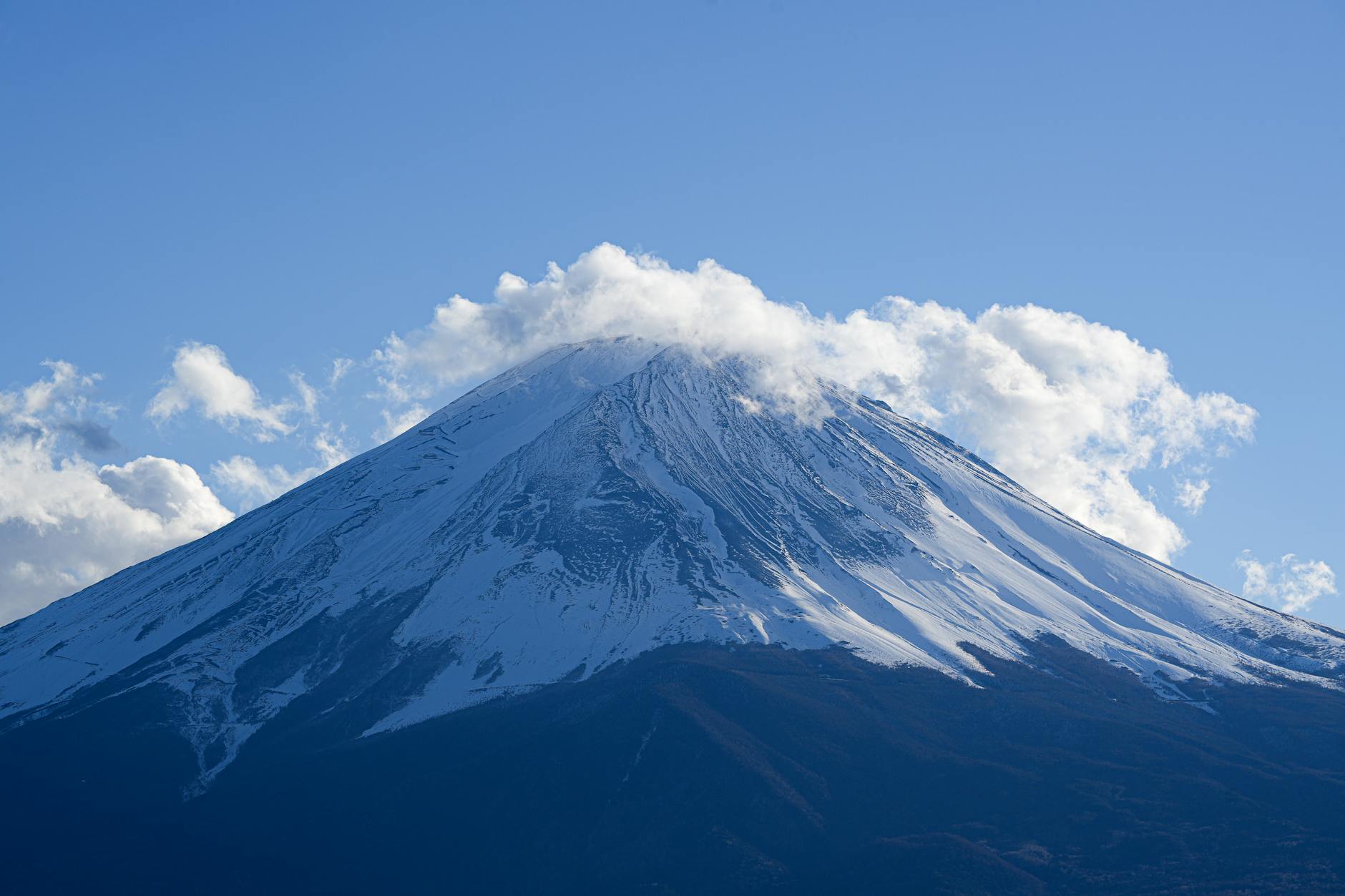
For beach lovers: Okinawa. For nature: Hokkaido. For food culture: Fukuoka. For a classic Mount Fuji view: Hakone (on a clear day — no guarantees).
→ Full guide: Best Places to Visit in Japan: Beyond the Tourist Trail
2-Week Japan Itinerary
Two weeks is the sweet spot for a first trip. Enough time to do the main circuit properly without racing. The route that works: Tokyo (3 days) → Hakone (1 day) → Kyoto (3 days) → Nara day trip → Osaka (3 days, including Hiroshima day trip) → flexible days for Kanazawa or extra Kyoto → fly home from Kansai or back through Tokyo.
What you won’t be able to fit: Hokkaido, Kyushu, Okinawa. Accept this before you go and plan a second trip.
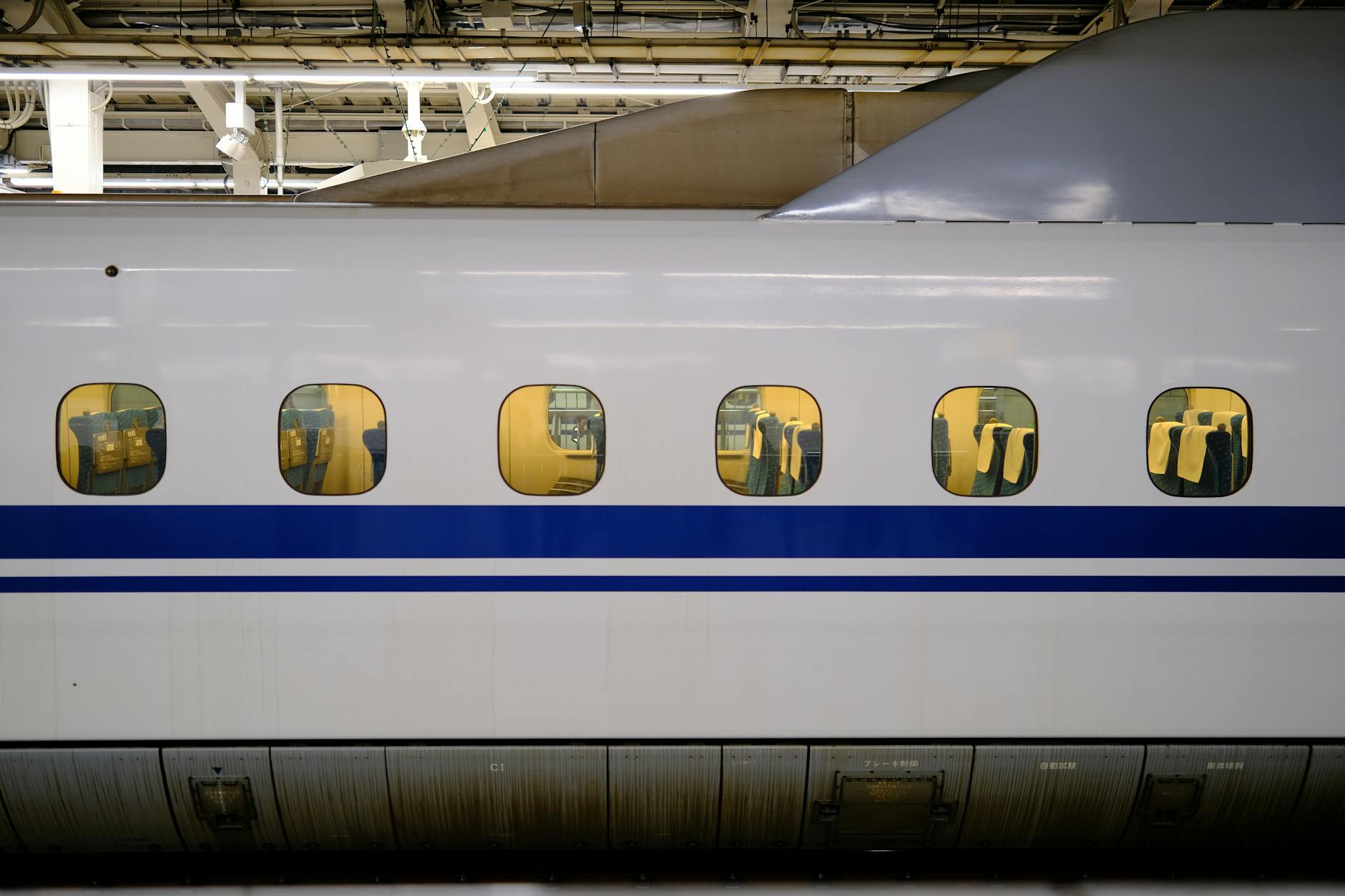
Real transport times: Tokyo to Kyoto is 2h15m by Shinkansen. Osaka to Hiroshima is 45 minutes. These are manageable as day trips with an early start.
→ Day-by-day guide: Japan Itinerary: 2 Weeks for First-Time Visitors
How Much Does Japan Cost?
Japan is more affordable than its reputation suggests, especially with the current yen rate. A budget traveller doing hostels and convenience store meals can manage ¥8,000/day (~$53). A mid-range trip — business hotel, restaurant meals, some activities — runs ¥18,000/day (~$120). A comfortable trip with quality hotels and proper dinners: ¥35,000+/day.
The expenses that catch people: cash (Japan is still heavily cash-based — 7-Eleven ATMs are your friend), coin lockers (¥400-700 a go), and entrance fees that stack up fast in temple-dense cities like Kyoto (budget ¥2,000-3,000/day for sightseeing).
Food is the great equaliser. A ¥700 bowl of ramen at a local shop will be one of the best meals of your trip. Use the lunch set culture — almost every restaurant offers a fixed-price lunch at 40-60% of dinner prices.
→ Full cost breakdown: How Much Does a Trip to Japan Cost?
Japan Tourist Visa
Citizens of 68+ countries — including the US, UK, EU, Australia, Canada, and most of East Asia — get visa-free entry to Japan for 90 days (some for longer). You arrive, go through immigration, get a stamp. No paperwork, no fees.
If your country isn’t on the exemption list (China, India, Philippines, Vietnam, Indonesia, and others), you’ll need to apply through the Japanese embassy or consulate in your country. The process is paperwork-heavy but straightforward with 3-4 weeks lead time.
Do not work on a tourist visa. Do not overstay. Japan’s immigration enforcement is serious and the consequences — deportation and a multi-year ban — aren’t worth the risk.
→ Full visa guide: Japan Tourist Visa: Do You Need One and How to Apply
Japan in Winter
Winter is underrated. Most tourists skip January-February, which means you get a quieter, cheaper Japan. The Sapporo Snow Festival in early February is genuinely spectacular. Skiing in Niseko or Hakuba rivals the world’s best resorts. And soaking in an outdoor onsen while snow falls around you is the quintessential Japan-in-winter experience that you can’t fake in any other season.
Temperatures in Tokyo and Osaka are cold but manageable (4-12°C). Hokkaido is genuinely freezing (-10°C or below). Okinawa stays mild at 16-21°C — fine for sightseeing, not for beaches.
→ Full guide: Japan in Winter: What to Expect and Why It’s Worth It
Japan in Autumn
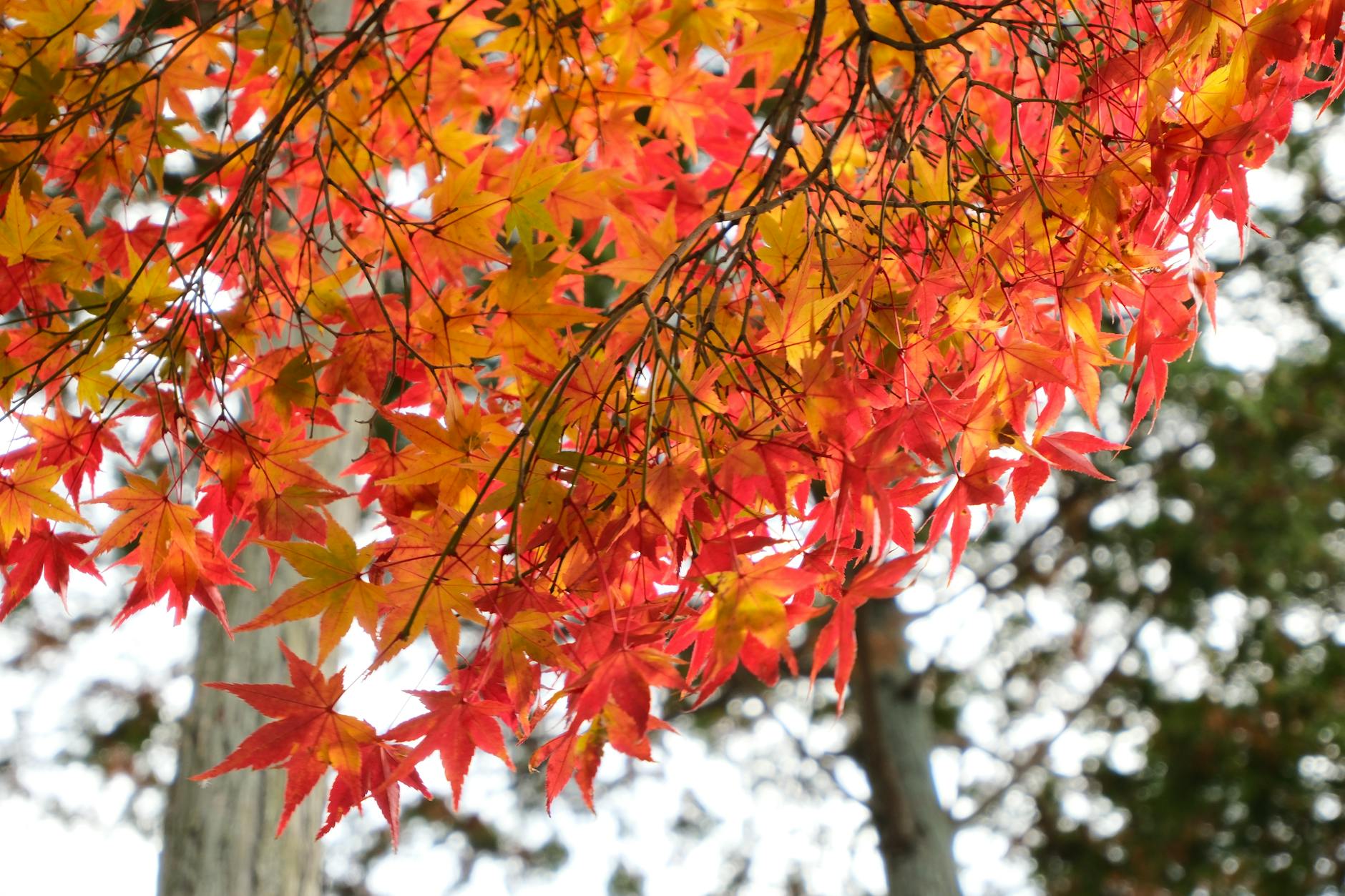
Autumn is better than cherry blossom season. I know that’s a controversial take, but I’ve lived in Osaka my whole life and November consistently beats April. The koyo (autumn leaves) are more visually varied — red, orange, gold, crimson all at once. The weather is perfect walking weather. The season lasts longer than sakura. And Kyoto’s Tofukuji temple in mid-November is one of the most beautiful places I’ve ever stood.
Koyo sweeps south from Hokkaido (September) to Kyushu (December). Kyoto and Osaka peak in mid-to-late November. Osaka’s Minoo Park waterfall trail, lined with maples, is a local favourite that hasn’t been fully overrun yet.
→ Full guide: Japan in Autumn: The Best Season You’re Probably Missing
What to Pack
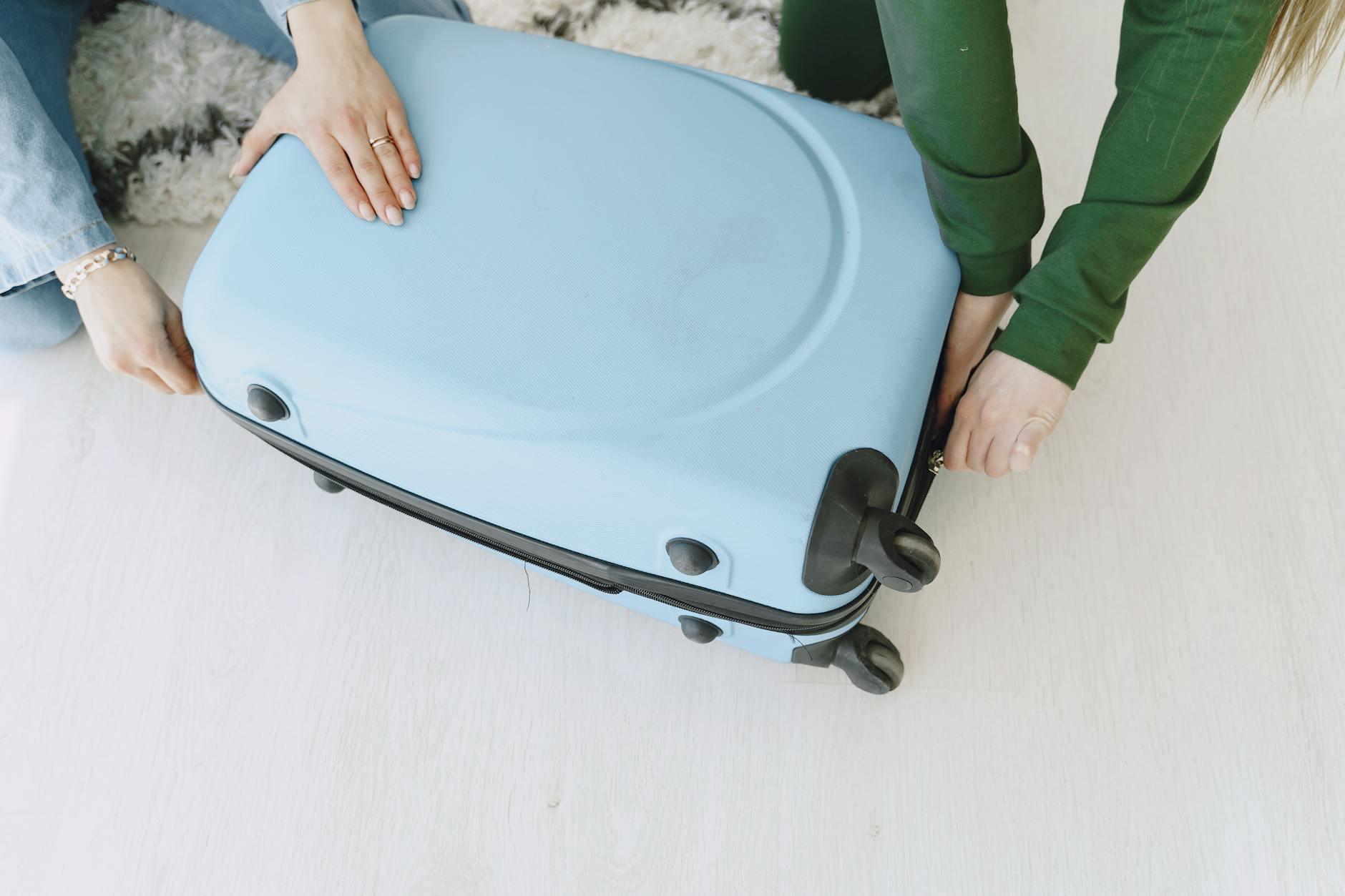
The two most important things: comfortable shoes (you will walk 20,000 steps a day, minimum) and a smaller suitcase than you think you need. Japan’s trains have no space for giant bags, and coin lockers max out at cabin-bag size.
Bring cash (Japan is still heavily cash-based), a power bank, and sort out your pocket WiFi or SIM before you arrive. Don’t pack full toiletries — convenience stores stock everything.
Seasonal note: spring requires a compact umbrella every single day. Summer requires light breathable clothing and a sun parasol. Winter requires thermals and disposable hand warmers (kairo) from any convenience store.
→ Full packing list: What to Pack for Japan: The Honest List by Season
Is the Japan Rail Pass Worth It?
After the October 2023 price increase (roughly 70%), the JR Pass needs more careful calculation than before. The 7-day pass now costs ¥50,000. For a standard first-timer route of Tokyo-Kyoto-Osaka-Hiroshima, the individual ticket costs work out around ¥57,000 — so the pass still pays off on that circuit.
It doesn’t pay off if you’re staying in one region, taking short trips, or if most of your travel is within cities on private railways and metro lines (which the JR Pass doesn’t cover). You’ll need an IC card (Suica or ICOCA) regardless — that handles all city transport.
→ Full honest breakdown: Is the Japan Rail Pass Worth It in 2026?
Planning Your Trip: Where to Start
If you’re starting from zero: read the timing guide first (pick your season), then the places guide (build your route), then the itinerary (structure your days), then the costs guide (set your budget), then the visa check (confirm your entry requirements), then the packing list (sort your bag).
That’s the sequence. Everything else is detail.
Japan is one of the most rewarding countries in the world to travel — genuinely efficient transport, extraordinarily safe, incredible food at every budget level, and a culture that has depth you won’t exhaust on one trip. Plan properly, pack light, and go.
Further reading: Wikipedia: Tourism in Japan for historical context on visitor numbers and key attractions.