Spring gets the headlines. Autumn is the better season.
That’s not a hot take — it’s what you’ll hear from most people who’ve visited Japan in both. The weather is cooler than spring, the foliage is more dramatic than cherry blossoms (personal opinion, but widely shared), and while the crowds are significant, they’re more manageable than peak sakura season. If you’re choosing between the two, autumn in Japan deserves serious consideration.
When Is Autumn in Japan?
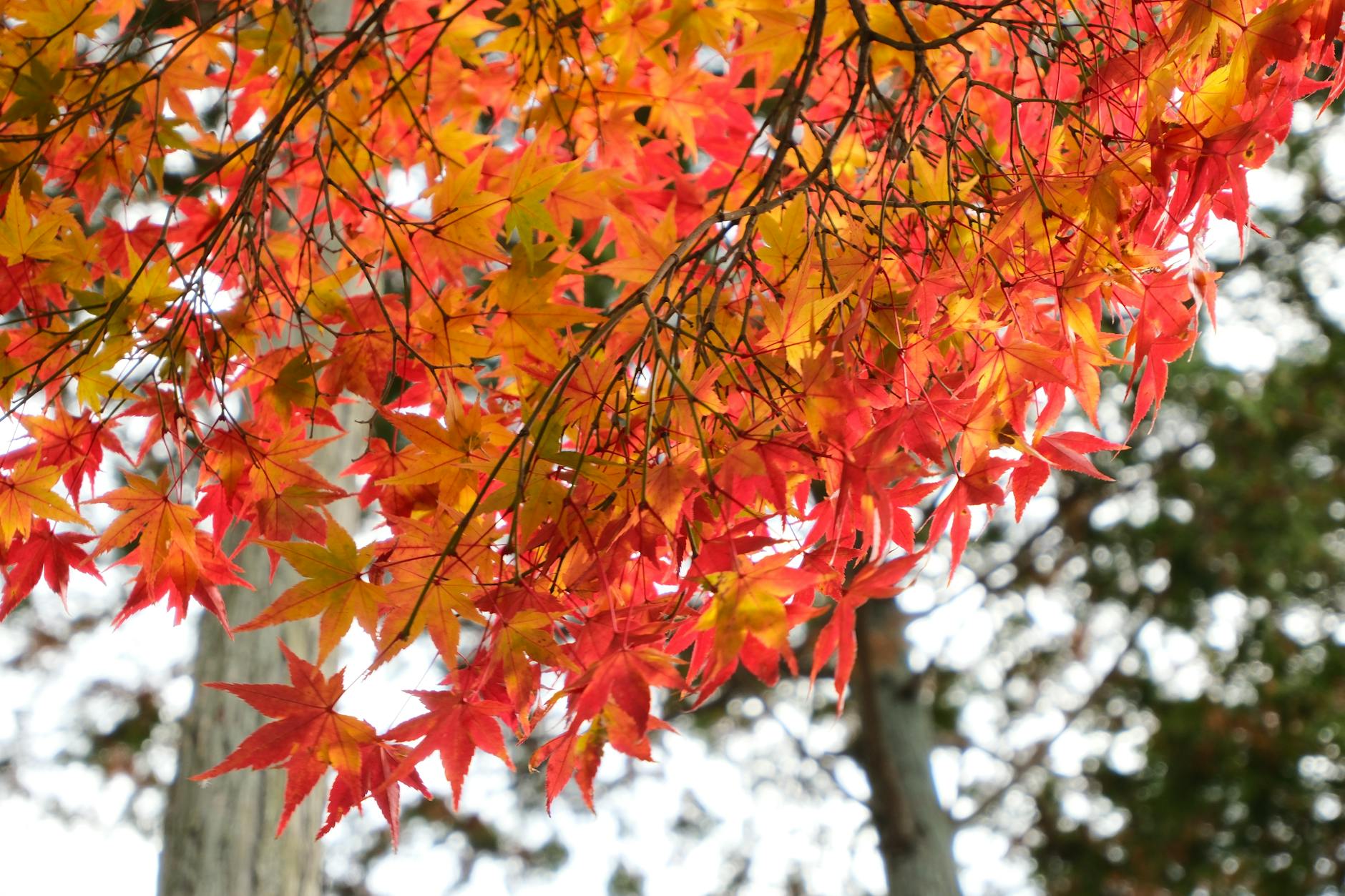
Japanese autumn runs from roughly late September through late November, depending on region. The dramatic foliage period — koyo (紅葉) — sweeps from north to south over about six weeks, starting in Hokkaido in late September and reaching Kyushu in late November.
Weather cools significantly from October: warm days (15–22°C), crisp evenings, clear skies. This is genuinely some of Japan’s best weather for walking around — comfortable, dry, and with the kind of light that makes everything look cinematic.
Japan Autumn Foliage (Koyo) Timing by City
Unlike cherry blossoms, which bloom on a fast-moving front, autumn foliage timing varies significantly by altitude and location within each region. These are approximate dates for peak colour at low-altitude viewing spots:
| Region / City | Peak Koyo Timing | Notes |
|---|---|---|
| Hokkaido (Daisetsuzan) | Late Sep–Early Oct | Japan’s earliest foliage — alpine areas turn first |
| Hokkaido (Sapporo, Hakodate) | Mid–Late Oct | City parks peak late October |
| Nikko, Tochigi | Mid–Late Oct | Famous for dramatic colour in mountainous shrine setting |
| Towada-Hachimantai (Tohoku) | Mid Oct | Remote, spectacular, less visited |
| Sendai, Tohoku | Late Oct–Early Nov | |
| Kyoto | Mid–Late Nov | Peak is usually November 15–25; varies annually |
| Tokyo | Late Nov–Early Dec | Ginkgo trees at Jingu Gaien late Nov |
| Osaka | Late Nov | Minoo Park trail peak late November |
| Hiroshima / Miyajima | Late Nov | Itsukushima shrine + maple forests |
| Kyushu (Fukuoka, Nagasaki) | Late Nov–Early Dec | Japan’s latest major koyo |
For real-time forecasts during the season, the Japan Meteorological Corporation releases annual koyo forecasts from September, available on Japan-guide.com and weather apps. These update as temperatures shift — check them in October if you’re planning a late autumn trip.
Best Autumn Foliage Spots in Japan
Kyoto (the Classic)
Kyoto in mid-to-late November is genuinely extraordinary — temple gardens ablaze with maples, stone paths carpeted in fallen leaves, vermillion torii gates framed by colour. The photos you’ve seen of this are accurate. The crowds are also accurate.
- Eikan-do (Zenrinji): Often cited as Kyoto’s single best koyo temple — the main hall overlooks a garden of maples and the famous two-story pagoda rises above. Go early on weekdays.
- Tofukuji: Famous for the Tsuten Bridge overlooking a sea of maples. Genuinely spectacular. Extremely crowded on peak weekends — arrive before 8am.
- Arashiyama (Jojakko-ji, Nison-in): The bamboo grove gets all the attention; the autumn foliage on the surrounding mountain temples is often overlooked and equally beautiful.
- Kinkakuji and surroundings: The golden pavilion against autumn leaves is one of Japan’s most iconic images. Visit on a weekday morning.
- Hidden gem: Rurikoin: A private garden open only briefly in spring and autumn. Advance reservation required, limited visitors. The reflection of the maple corridor in the lacquered floor is worth planning around.
Nikko, Tochigi
Nikko is Japan’s most dramatic autumn foliage destination outside Kyoto — ornate UNESCO shrines surrounded by mountain forests turning gold and red in mid-to-late October. Because the altitude is higher than Tokyo, it peaks two to three weeks earlier, which is useful for timing. The Irohazaka winding road up to Lake Chuzenji is lined with maples — stunning from the bus window.
Osaka’s Minoo Park
Minoo (Mino) Park, 30 minutes north of Osaka by train, is the Kansai region’s best-kept autumn secret. A 2.6km forest trail leads from the trailhead through maple-lined paths to Minoo Waterfall. Peak is usually late November. Food stalls along the path sell maple leaf tempura — yes, actual deep-fried maple leaves, and no, they’re not amazing, but they’re tradition. The park gets busy on weekends but is dramatically less crowded than Kyoto’s main temples.
Hokkaido: First and Most Dramatic
Hokkaido turns first and turns hardest. Daisetsuzan National Park’s alpine zones are red and gold from late September. Lake Towada in October is stunning. Sapporo’s Maruyama Park and Hokkaido University (campus lined with ginkgo) peak in mid-October. If you can only visit Japan in autumn and want to see the most dramatic foliage with fewer people than Kyoto, northern Hokkaido in early-to-mid October is underrated.
Korankei, Aichi Prefecture
Korankei Gorge in Toyota City, Aichi — not widely known outside Japan — is carpeted with 4,000 maple trees along a river gorge. Peak is typically mid-to-late November. It’s significantly less crowded than Kyoto’s main sites and the colour concentration is extraordinary. About an hour from Nagoya by bus.
Miyajima Island, Hiroshima
The iconic floating torii gate of Itsukushima Shrine combined with the maple forests behind it in late November is one of Japan’s most photogenic autumn settings. Accessible as a day trip from Hiroshima. Peak is typically late November; the island quiets considerably after the last ferry, making an overnight stay excellent for photography.
Plan Your Autumn Japan Trip
The best time to visit Japan guide compares all four seasons in detail — useful if you’re still deciding between autumn and other times of year. For where to actually go, the best places to visit in Japan guide covers top destinations including the best autumn regions. The Japan travel guide hub has everything from transport to accommodation booking timelines.
For official autumn tourism information including event listings, Japan’s official tourism site updates its autumn guide seasonally.
Autumn vs Spring: Which Is Better for First-Timers?
The honest comparison:
| Spring (Cherry Blossoms) | Autumn (Foliage) | |
|---|---|---|
| Visual impact | Pale pink, delicate | Red, gold, orange — more dramatic |
| Weather | Mild, occasional rain | Drier, cooler, excellent |
| Crowds | Very high (peak) | High (especially November) |
| Prices | Peak season rates | Peak season rates in Kyoto Nov |
| Season length | ~2 weeks per city | 6 weeks across Japan |
| Predictability | Harder to time precisely | Slightly more predictable |
| Best budget timing | Before bloom (early March) | October (before peak) |
For first-timers who can choose: late October to early November is arguably Japan’s most balanced period — foliage starting in northern areas, good weather everywhere, pre-peak Kyoto crowds, and the full seasonal food culture in swing.
Autumn Food in Japan
Autumn food is one of Japan’s most underrated seasonal pleasures. October and November bring:
- Matsutake mushrooms: The most prized mushroom in Japanese cuisine — intensely aromatic, earthy, ridiculously expensive (¥10,000–50,000 per kg). Appears in matsutake gohan (rice), dobin mushi (clear soup in a clay pot), and clay-pot dishes. Worth ordering once.
- Sanma (Pacific saury): Autumn fish — grilled whole, served with daikon and soy. Simple, seasonal, and excellent at any fish restaurant in September–October.
- Sweet potato (satsuma-imo): Roasted sweet potato sellers appear on streets from October — yaki-imo from the truck is the definitive autumn street food in Japan.
- Kuri (chestnuts): In everything — rice, wagashi sweets, pastries. Chestnut season peaks in September–October.
- Kabocha (Japanese pumpkin): Denser and sweeter than Western pumpkin — in soups, tempura, and simmered dishes.
- New sake (Hiyaoroshi): Autumn is sake season — new year’s sake, matured over summer, released in autumn. “Hiyaoroshi” sake released in September–October is particularly good.
Autumn Festivals in Japan
- Jidai Matsuri, Kyoto (Oct 22): 2km historical costume procession from Kyoto Imperial Palace to Heian Shrine — representing 1,200 years of Kyoto history. Free to watch from the route.
- Kurama no Hi Matsuri, Kyoto (Oct 22): Fire festival at Kurama temple on the same night as Jidai Matsuri. Very dramatic, atmospheric torch-lit procession. Numbers are limited — arrive early.
- Shichi-Go-San (Nov 15): Children’s blessing ceremony — kids aged 3, 5, and 7 visit shrines in traditional dress. Beautiful to witness, particularly at major shrines like Meiji Jingu and Yasaka.
- Autumn sumo tournament (Basho), Tokyo: Held in September at Ryogoku Kokugikan. Tickets can sell out — book ahead if sumo is on your list.
- Luminarie, Kobe (December): Technically early winter, but often paired with autumn trips — enormous illuminated arches commemorating the 1995 earthquake.
What to Wear in Japan in Autumn
- October: Light jacket or mid-layer during the day; proper jacket for evenings. T-shirt + fleece is enough for warm days in early October.
- November: Full autumn clothing — coat, scarf, layers. Tokyo can drop to 10°C in late November evenings. Kyoto is slightly warmer but evenings get cold.
- Hokkaido in October: Winter-weight clothing needed — Sapporo temperatures are 5–12°C during the day in October, dropping below freezing at night by late October.
Autumn Photography Tips
- Best light: 6–9am golden hour. Fallen leaves on stone paths look best in soft, slightly moist morning light.
- Overcast days: Flat grey light saturates autumn reds and oranges beautifully — don’t discount cloudy days for foliage photography.
- Reflections: Still ponds reflecting maples are a classic autumn composition. Rurikoin in Kyoto, Rairaikyo Gorge in Nagano, and Shuzenji in Izu all offer this.
- Composition: Include architecture — a maple branch over a torii gate, a maple canopy above a stone lantern path. Context makes Japan’s autumn photos distinctive.
- Fallen leaves: The carpet phase — after peak bloom when leaves fall — is often as photogenic as full colour. Look down as well as up.
The Bottom Line
Japan in autumn is quieter than spring, drier than summer, and arguably more beautiful than either. The window is longer — six weeks of koyo moving across the country versus two weeks of cherry blossom season. The food is exceptional, the weather is excellent, and there’s a richness to autumn Japan that spring can’t quite match.
Go to Kyoto in mid-to-late November if you want the classic experience. Go to Hokkaido in October if you want to avoid most of the crowd. Go to Osaka’s Minoo Park if you want something genuinely beautiful without the famous-site chaos. All three are worth it.