Every Japan first-timer has the same list: Tokyo, Kyoto, Osaka. That circuit is excellent — genuinely. But Japan has dozens of destinations that most visitors never see, and some of the country’s most rewarding experiences happen well off the standard tourist trail. Here’s the full picture — the classics properly explained plus the places worth adding.
The Classics (And Why They’re Still Worth It)
Tokyo
The most visited city in the world for a reason. Tokyo’s scale can be overwhelming at first — 37 million people in the metro area — but it’s extraordinarily navigable once you understand the train system. Every neighbourhood is distinct: Shinjuku for energy and neon, Shibuya for fashion and the famous scramble crossing, Asakusa for temples and traditional culture, Yanaka for old-Tokyo neighbourhood feel, Akihabara for electronics and gaming culture, Shimokitazawa for vintage shops and live music.
What most guides miss: The residential neighbourhoods west of Shinjuku (Koenji, Nakano, Asagaya) give you an authentic Tokyo daily-life experience that tourist-oriented areas can’t. Walk through a covered shotengai shopping street, eat at a neighbourhood shokudo (casual restaurant) that’s been there 40 years, and you’ll understand Tokyo differently.
Don’t miss: Tsukiji outer market for breakfast (the inner market moved, the outer food stalls remain), Yanaka cemetery for old-Tokyo atmosphere, Hamarikyu Garden for a traditional garden among modern towers, Nakameguro canal in any season.
Getting there: All major international flights. Narita (60-90 min to Tokyo) and Haneda (30-45 min) airports. | Minimum visit: 3–4 days
Kyoto
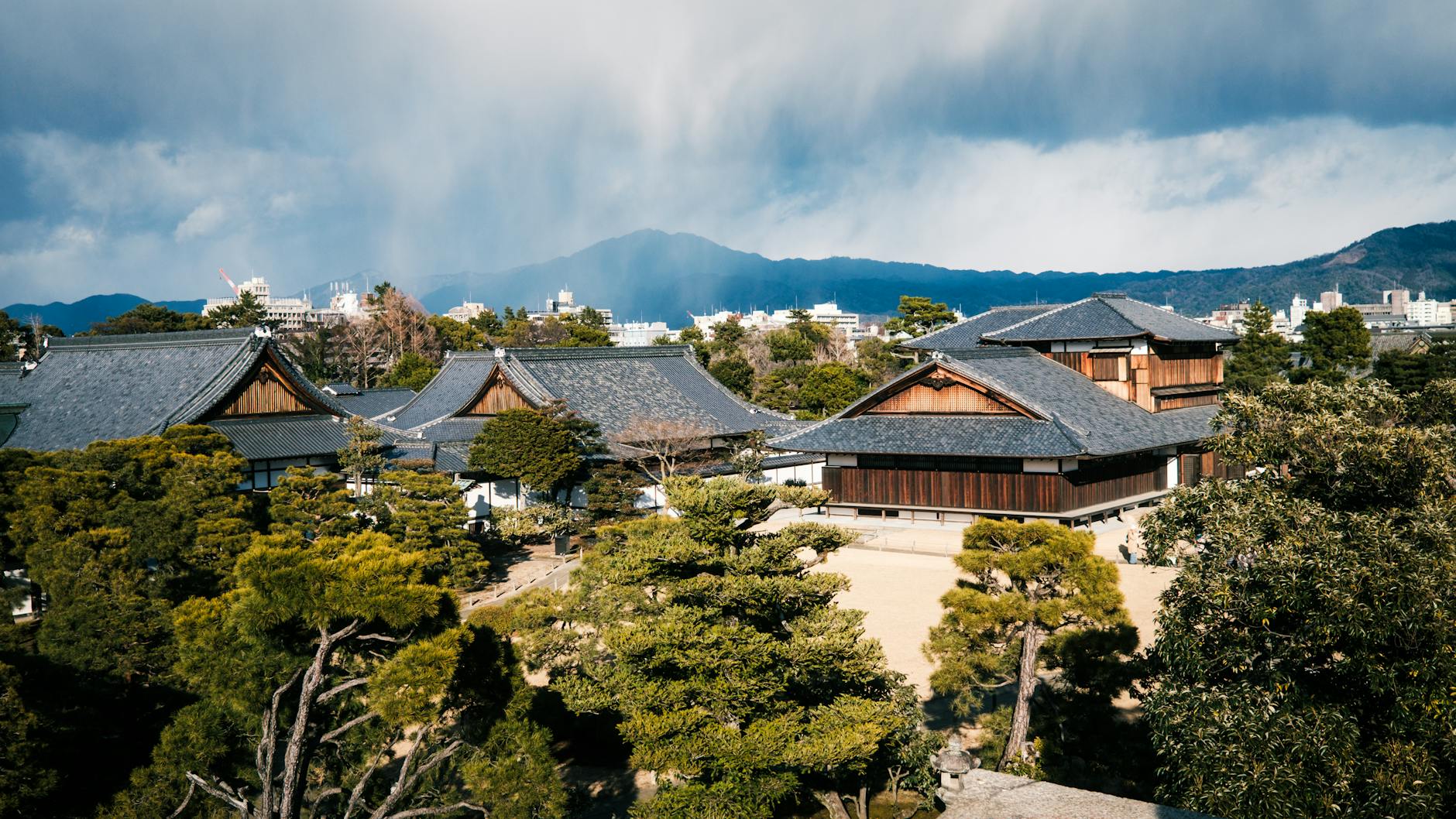
Japan’s cultural capital and the city most people picture when they think of Japan — temple gardens, geisha districts, bamboo groves, traditional machiya townhouses. All of it is real and worth seeing. The challenge is doing it without feeling like you’re shuffling through a museum exhibit.
Kyoto works best when you stay long enough to settle in — rent a bicycle, explore by neighbourhood rather than by landmark list, visit the less-famous shrines in the hills east of Gion where the crowds thin significantly. The Philosopher’s Path, Fushimi Inari’s upper trails (above the main torii gate tourist zone), and Arashiyama’s less-visited temple paths all reward those who walk a bit further.
Don’t miss: Fushimi Inari at dawn (the mountain trails are extraordinary and crowd-free before 8am), Nishiki Market for Kyoto’s food culture, Kurama and Kibune villages for a mountain escape just 30 minutes from the city centre, Kinkakuji at any time of year (yes it’s crowded; it’s still stunning).
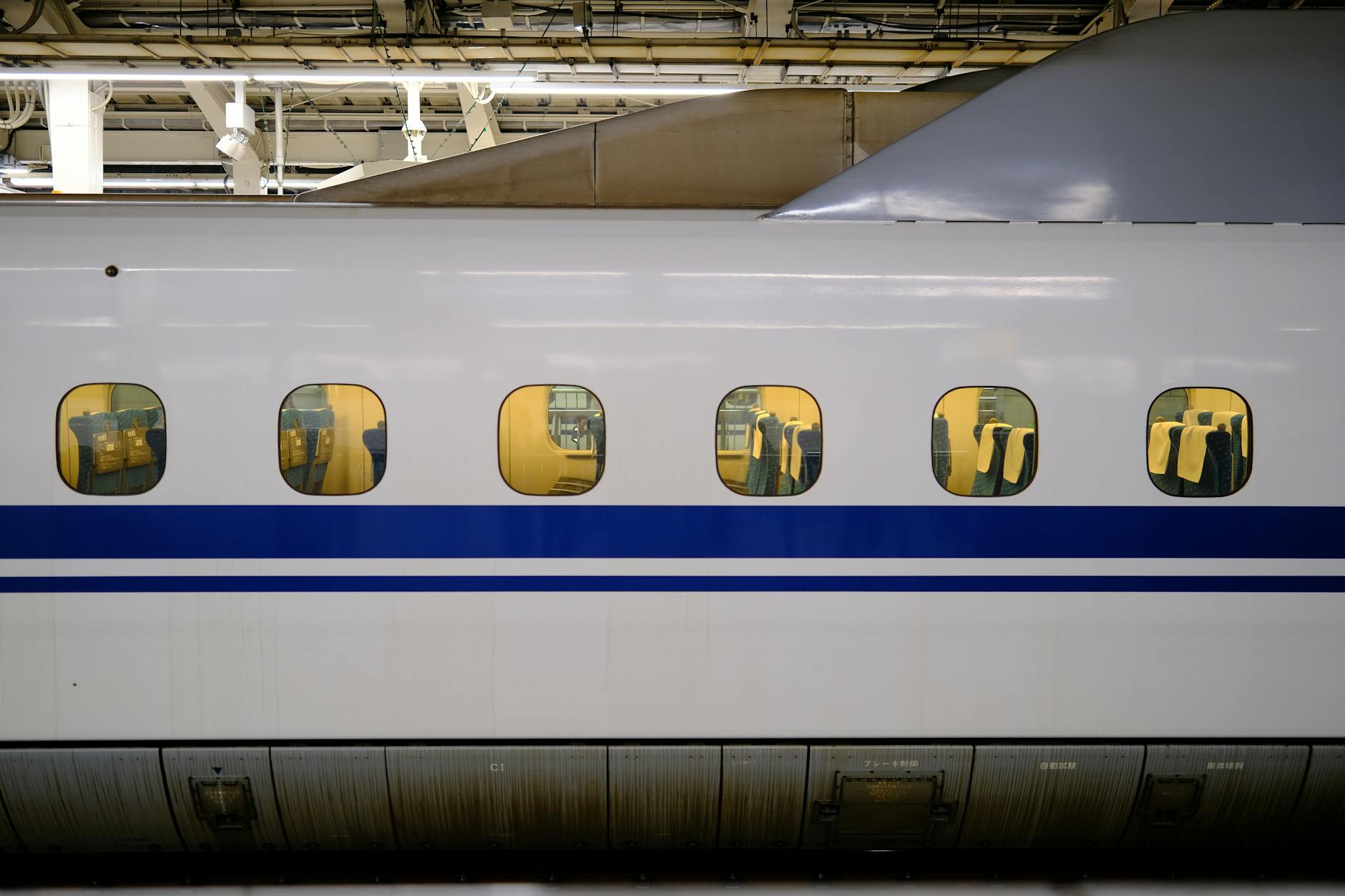
Getting there: Shinkansen from Tokyo (2h15m), Osaka (15 min by rapid train from Osaka station). | Minimum visit: 2–3 days
Osaka
Japan’s food city. Osaka has a distinct energy from Tokyo — louder, more direct, more food-obsessed. The local philosophy of kuidaore (“eat until you drop”) is not a tourist marketing phrase; it’s a real cultural value. Street food in Dotonbori and Shinsekai, the izakaya culture in Namba and Umeda, the morning markets — food in Osaka is an experience separate from Kyoto’s cultural itinerary.
Osaka also serves as an excellent base for day trips to Kyoto (25 min by rapid train), Nara (35 min), Kobe (20 min), and Himeji (45 min).
Don’t miss: Osaka Castle and surrounding park, Kuromon Ichiba Market for fresh food, Shinsekai retro district, Dotonbori at night, the Hozenji Yokocho alley for atmosphere. Takoyaki everywhere.
Getting there: Shinkansen to Shin-Osaka, flights to Osaka Kansai Airport or Itami. | Minimum visit: 2–3 days
Planning Your Japan Visit
For timing, the best time to visit Japan guide covers season-by-season with month-by-month detail. If you’re planning a full itinerary, the 2-week Japan itinerary has a day-by-day plan that works for most first-time visitors. For cherry blossom specifics, the cherry blossom Japan guide covers timing and the best viewing spots. The Japan travel guide hub ties everything together.
For official destination information across all of Japan, Japan’s official tourism destinations page covers every prefecture with event listings and access information.
Beyond the Big Three
Hiroshima and Miyajima
Hiroshima is one of the most moving and ultimately hopeful cities in Japan. The Peace Memorial Museum is challenging and important — allow 2 hours and full attention. The Peace Memorial Park surrounding it is spacious and well-designed. Hiroshima city itself is modern, liveable, and pleasant beyond its history — its okonomiyaki (Hiroshima-style, layered with noodles) is excellent and entirely different from Osaka’s.
Miyajima Island, 30 minutes from Hiroshima by ferry, has Japan’s most photographed torii gate — floating in the sea at high tide, surrounded by deer wandering free among shrine buildings. Allow a full afternoon, stay for the evening illumination if possible, and walk the mountain trails if you want to escape the crowds below.
Getting there: Shinkansen from Tokyo (4h), Osaka (1h30m). | Minimum visit: 1–2 days (longer is better)
Nara
An easy day trip from Osaka (35 min) or Kyoto (45 min), but worth a night if you want to see Todai-ji Temple and the deer without the day-tripper crowds. The deer (shika) that roam Nara Park are genuinely free and genuinely bold — they will steal food from your hands. Todai-ji holds Japan’s largest bronze Buddha in a temple hall that remains the world’s largest wooden structure.
Nara’s inner city is compact. Beyond the park and main temples, Naramachi (old merchant district) and the walk to Kasuga Grand Shrine through the forest are quieter experiences worth having.
Kanazawa
Often called “little Kyoto” but that undersells it. Kanazawa has one of Japan’s most beautiful traditional gardens (Kenrokuen), a well-preserved samurai and geisha district (Higashi Chaya), one of Japan’s most impressive contemporary art museums (21st Century Museum of Contemporary Art), and extraordinary seafood from the Japan Sea. It avoided WWII bombing, meaning its historic architecture is genuine, not restored.
Kanazawa is 2.5 hours from Tokyo by Shinkansen — opened in 2015, dramatically increasing accessibility. The tourism growth since then has been significant but it remains far less crowded than Kyoto.
Best time: Any season. Cherry blossoms in Kenrokuen in spring and autumn foliage are both spectacular. Winter has famous snow scenes but cold temperatures.
Don’t miss: The Omicho fresh seafood market for lunch (crab, fresh fish, seasonal seafood), the Geisha districts, the samurai Nagamachi district.
Hakone
The Kanto region’s premier mountain resort — famous for Mt. Fuji views, hot spring onsen, and the Open Air Museum. 85 minutes from Shinjuku by Romancecar express train. Often done as a day trip from Tokyo but a night in a ryokan (traditional inn) with your own rotenburo (outdoor hot spring bath) is one of Japan’s quintessential experiences.
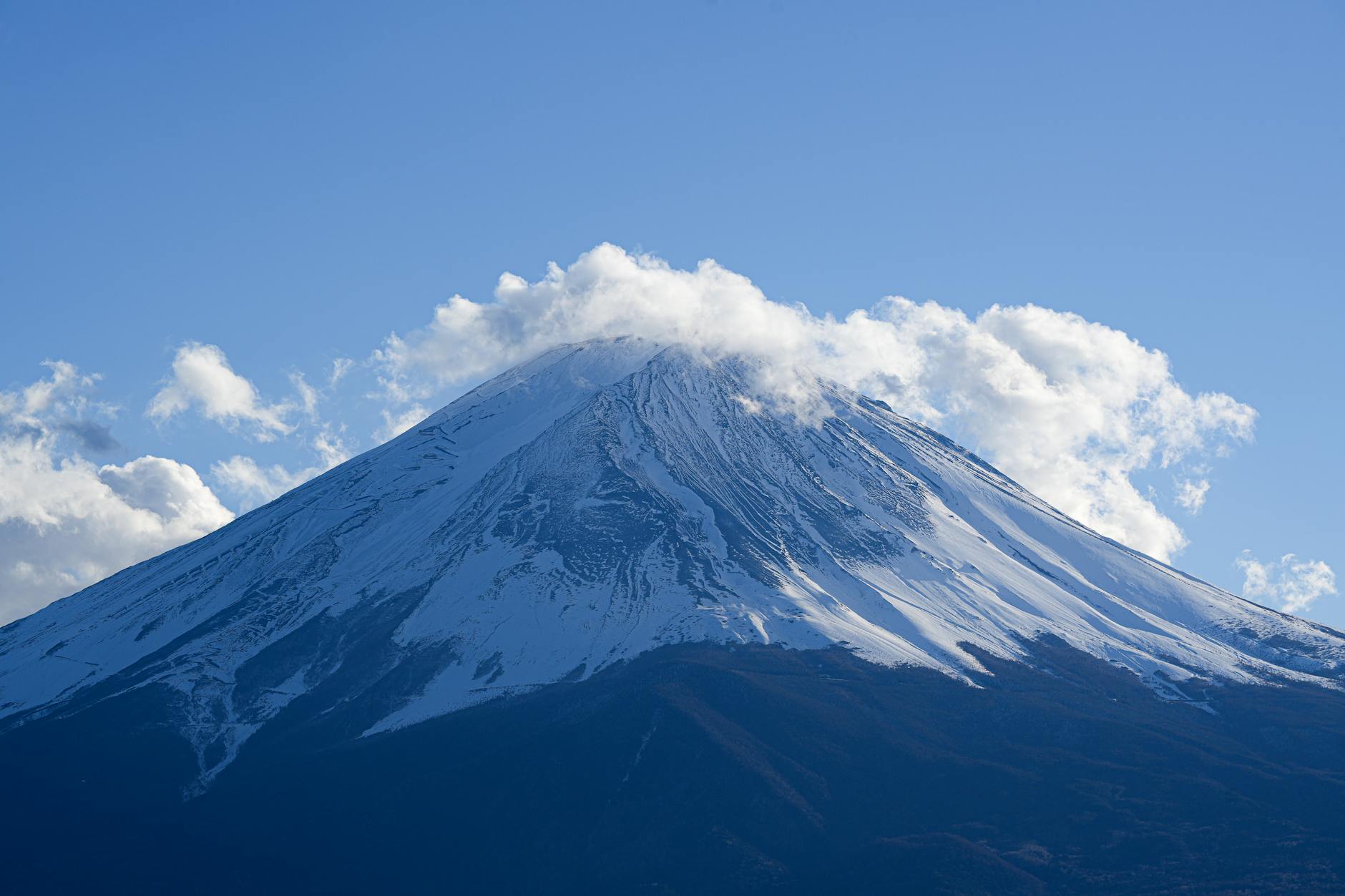
Fuji is most visible in clear winter mornings. November through February gives the highest chance of unobscured views. Summer humidity and cloud make sightings less reliable but the onsen and forest walks are pleasant year-round.
Nikko
Two hours from Tokyo by limited express train, Nikko is Japan’s most ornate shrine complex — Toshogu Shrine is a Baroque riot of colour and gilt in the mountains, completely different from the austere Zen aesthetics of Kyoto. The surrounding mountains have excellent autumn foliage (October) and Lake Chuzenji above the Irohazaka winding road is worth the journey.
Tohoku: Japan’s Underrated North
The Tohoku region (northern Honshu) is one of Japan’s most beautiful and least visited areas. Accessible by Shinkansen from Tokyo: Sendai (90 min), Yamagata (110 min), Morioka (2h15m), Aomori (3h).
- Matsushima: Pine island bay — one of Japan’s “Three Views,” genuinely beautiful
- Yamadera: Mountaintop temple complex accessible by stairs from the village below — fog in the valley, stone steps, ancient cedars
- Hirosaki: Late cherry blossom season (late April–early May) and impressive castle
- Kakunodate: Preserved samurai town with weeping cherry trees — remarkable and relatively uncrowded
- Aomori: Nebuta Festival in early August (spectacular illuminated floats), Towada-Hachimantai for autumn foliage
Hokkaido
Japan’s northernmost island operates on a different seasonal schedule: summer (July–August) is Hokkaido’s peak — mild temperatures when the rest of Japan swelters, lavender fields at Furano, fresh seafood, and hiking. Winter offers world-class powder skiing at Niseko, Furano, and Rusutsu. Cherry blossoms arrive in late April to early May — weeks after the main Japan timing.
Sapporo is the main city — worth a day or two but Hokkaido rewards those who venture further: Shiretoko Peninsula (UNESCO World Heritage wilderness), the Blue Pond at Biei, Daisetsuzan National Park for hiking and onsen.
Getting there: Flights to Sapporo (New Chitose Airport) from major Japanese cities and internationally.
Kyushu
Japan’s southernmost main island is warmer, more laid-back, and has exceptional food culture. Fukuoka is the gateway — Japan’s fastest-growing major city, known for excellent ramen (Hakata tonkotsu), gyoza, and yakitori. Nagasaki has deep history and striking geography. Beppu and Yufuin in Oita Prefecture are Japan’s premier onsen regions — Beppu has the famous coloured “hells” (jigoku), Yufuin is a boutique hot spring town.
Kumamoto (Aso volcano), Kagoshima (Sakurajima), and the Yakushima forest island (ancient cedar trees, a Miyazaki inspiration) are all worth planning specific trips around.
Okinawa
Subtropical Japan — different culture, different food, different climate. Okinawa’s main island has beaches, coral reefs, UNESCO Ryukyu Kingdom castle sites, and a distinctive cuisine (champuru, goya, mozuku seaweed). Best for beach visits: July–August. Too cold for swimming from December–March (though still warm enough for sightseeing).
The outer islands (Miyakojima, Ishigaki, Iriomote) have some of Japan’s most beautiful beaches and the clearest water in the country.
The Bottom Line
The Tokyo–Kyoto–Osaka circuit is excellent and deserves its reputation. But Japan rewards those who go further. Kanazawa, Tohoku, Hokkaido, and Kyushu each offer something the standard circuit can’t — and they’re significantly less crowded. If this is your first trip, do the classic route properly. If you’ve been before, or have 3 weeks to work with, build your itinerary around what interests you most rather than what’s most famous.