Two weeks in Japan is enough time to do the essential circuit properly — Tokyo, Kyoto, Osaka, a few day trips — without feeling rushed. This is the itinerary that works for most first-time visitors: covers the highlights, leaves time to breathe, and includes the transport logistics that other guides gloss over.
Before You Go: Planning Essentials
- Book accommodation 2–4 months ahead (4–6 months if visiting during cherry blossom season late March–April or autumn foliage November)
- JR Pass decision: A 14-day JR Pass (¥50,000) covers most Shinkansen travel on this itinerary. Calculate your individual ticket costs first — if Tokyo→Kyoto→Osaka→Hiroshima→Tokyo, individual tickets total around ¥40,000+, making the pass worthwhile. If staying near Tokyo and Kyoto only, it may not be.
- IC Card: Get a Suica or Pasmo card at Tokyo airport. Use it for all local trains, buses, and convenience store payments throughout Japan.
- Pocket WiFi or SIM: Essential. Pocket WiFi from the airport or a local SIM (IIJmio, Rakuten Mobile) — Japan’s mobile data is reliable across cities.
- Cash: Carry ¥20,000–30,000 in cash at all times — many places are still cash-only.
Days 1–4: Tokyo
Day 1 — Arrive, Orient, East Side
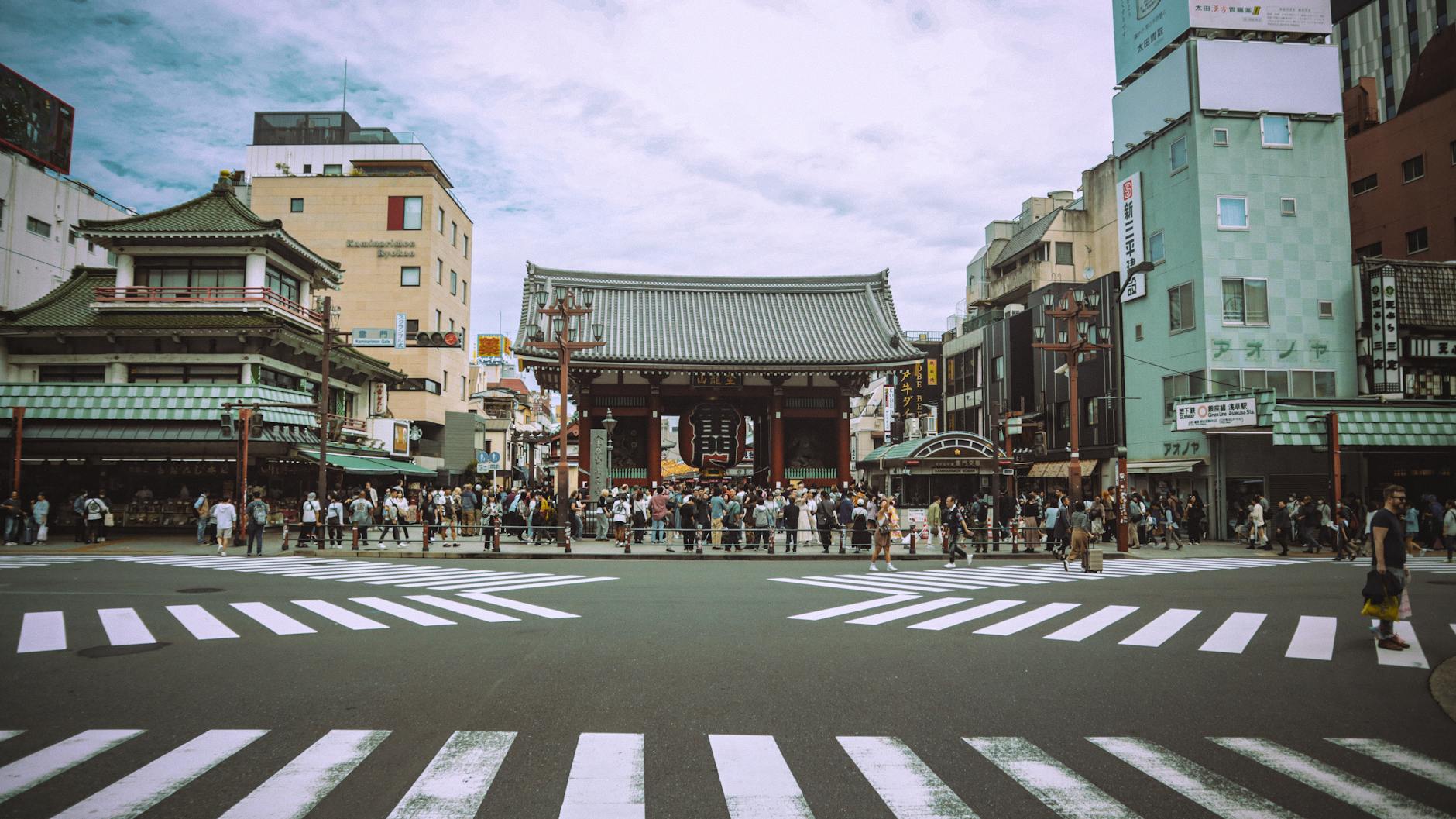
Arriving at Narita or Haneda: take the Narita Express (N’EX) or Limousine Bus to your hotel. Allow the afternoon to arrive, check in, recover from the flight. Evening: walk Asakusa — Senso-ji Temple is lit at night, the Nakamise shopping street is atmospheric, and the area quiets pleasantly after dinner hour.
Day 2 — West Tokyo: Shinjuku and Harajuku
Morning: Shinjuku Gyoen (garden — ¥500 entry, excellent for a quiet morning with excellent views). Afternoon: walk through Harajuku (Takeshita Street for street fashion, Omotesando for high-end), then south to Shibuya. Evening: Shibuya scramble crossing (go to the Starbucks or rooftop viewing area for the crossing view from above), dinner in Shibuya.
Day 3 — East Tokyo: Tsukiji, teamLab, Akihabara
Early morning: Tsukiji Outer Market for breakfast (fresh sushi, egg tamago, street food from 6am). Late morning: teamLab Borderless or Planets (book in advance — sells out). Afternoon: Akihabara or Ueno district depending on interest (Ueno has museums, zoo, and park; Akihabara is electronics and gaming culture). Evening: dinner in the neighbourhood of your choice.
Day 4 — Day Trip: Nikko or Kamakura
Nikko (2h from Tokyo by limited express, ¥2,800 one way): Toshogu Shrine complex — Japan’s most ornate, richly decorated shrine. Allow 3–4 hours at the complex. Walk to Rinno-ji and the Nikko National Park area.
OR: Kamakura (1h from Tokyo, ¥920 one way by JR): Giant Buddha (Kotoku-in), Hase temple, hiking trails between temples, Enoshima Island. Coastal setting, very different from Nikko.
Days 5–7: Kyoto
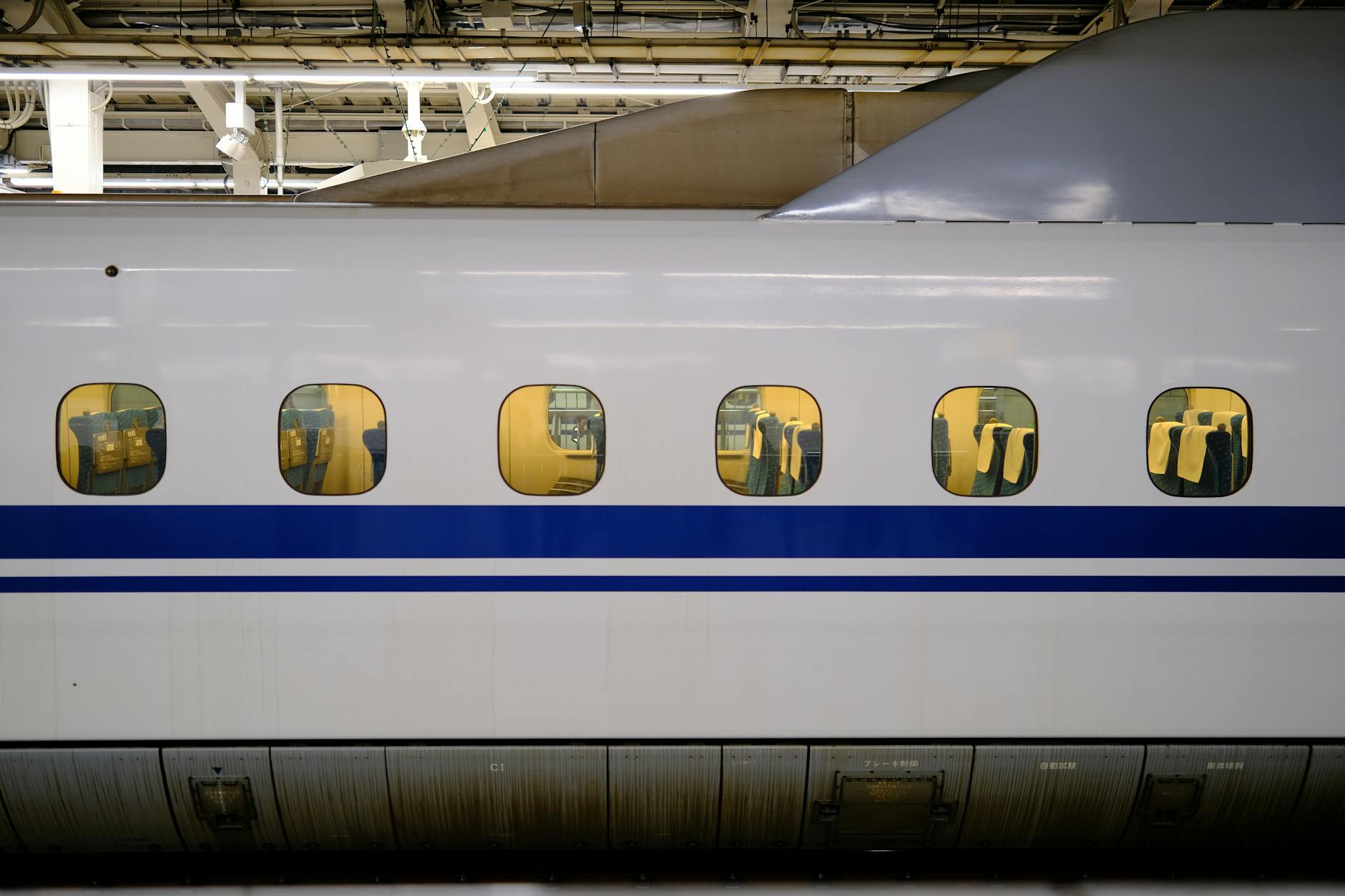
Travel: Shinkansen from Tokyo to Kyoto (~¥13,870, 2h15m). Covered by JR Pass.
Day 5 — East Kyoto: Gion and Higashiyama
Afternoon arrival and check-in. Evening: walk the Higashiyama district — Ninenzaka and Sannenzaka cobblestone streets (more atmospheric in late afternoon light), Yasaka Shrine, Gion Hanamikoji Street. If lucky, spot a maiko or geiko between 5–7pm. Dinner in Gion.
Day 6 — North Kyoto: Arashiyama and Kinkakuji
Early morning: Fushimi Inari — take the first train (arrive before 7:30am). The torii tunnels are crowd-free and the upper mountain trails are worth 1–2 hours. Late morning: Arashiyama — bamboo grove (crowded by 10am — arrive 8am for quiet), Tenryu-ji garden, Jojakko-ji temple on the hill. Afternoon: Kinkakuji (Golden Pavilion). Evening: Nishiki Market food walk.
Day 7 — South Kyoto + Day Trip to Nara
Morning: Fushimi Inari’s less-famous approach from the south, or Daigo-ji Temple. Midday: bullet train or express train to Nara (45 min). Afternoon in Nara: feed deer at Nara Park, Todai-ji Temple (giant Buddha), Kasuga Grand Shrine. Return to Kyoto for evening.
Plan Your Japan Trip
For seasonal timing, the best time to visit Japan guide has month-by-month detail. For the visa question, the Japan tourist visa guide covers who needs one and how to apply. The full Japan travel guide hub covers transport, accommodation, budgeting, and more. For official travel information and destination details, japan.travel is the official tourism resource.
Days 8–10: Osaka
Travel: Express train from Kyoto to Osaka (¥570, 15–30 min). Short and easy.
Day 8 — Osaka: Dotonbori and Shinsekai
Check in, then explore Dotonbori area in Namba. Afternoon: Shinsaibashi shopping district. Evening: eat your way through Dotonbori — takoyaki, okonomiyaki, kushikatsu. Walk the canal. Afternoon or evening: Shinsekai retro district and Tsutenkaku Tower area.
Day 9 — Day Trip: Hiroshima and Miyajima
Full day trip: Shinkansen from Shin-Osaka to Hiroshima (1h, ~¥9,780 one way; covered by JR Pass). Peace Memorial Museum (allow 2 hours minimum). Peace Memorial Park. Ferry to Miyajima for the floating torii gate and Itsukushima Shrine. Return to Osaka for the night.
Day 10 — Osaka: Osaka Castle and Neighbourhood Explore
Morning: Osaka Castle and park. Afternoon: Kuromon Ichiba fresh market. Explore Tenjinbashi-suji (Japan’s longest covered shopping street) or Nakazakicho (vintage/bohemian neighbourhood — one of Osaka’s best-kept neighbourhood secrets). Evening: final Osaka izakaya dinner.
Days 11–12: Kobe or Himeji (Day Trips from Osaka)
Day 11 — Kobe
20 min from Osaka. Kobe has the best beef (obviously), excellent European-influenced architecture in Kitano Ijinkan district, a beautiful waterfront (Meriken Park), the sake breweries of Nada district, and Chinatown. Half-day or full-day trip. Easy.
Day 12 — Himeji Castle
45 min from Osaka. Himeji Castle is Japan’s finest surviving feudal castle — UNESCO World Heritage, genuinely impressive, and worth the trip. The castle grounds take 2–3 hours. Combine with a visit to Koko-en Garden next door. Return to Osaka or head directly to next destination.
Days 13–14: Return to Tokyo or Onward
Day 13 — Hakone (En Route to Tokyo)
From Osaka: take Shinkansen to Odawara (3h, covered by JR Pass to Odawara). Transfer to Romancecar or Hakone Tozan Railway into Hakone. Afternoon: Open Air Museum or hot spring bath. Night: ryokan or hotel with onsen (book ahead — popular).
Day 14 — Hakone Views and Return to Tokyo
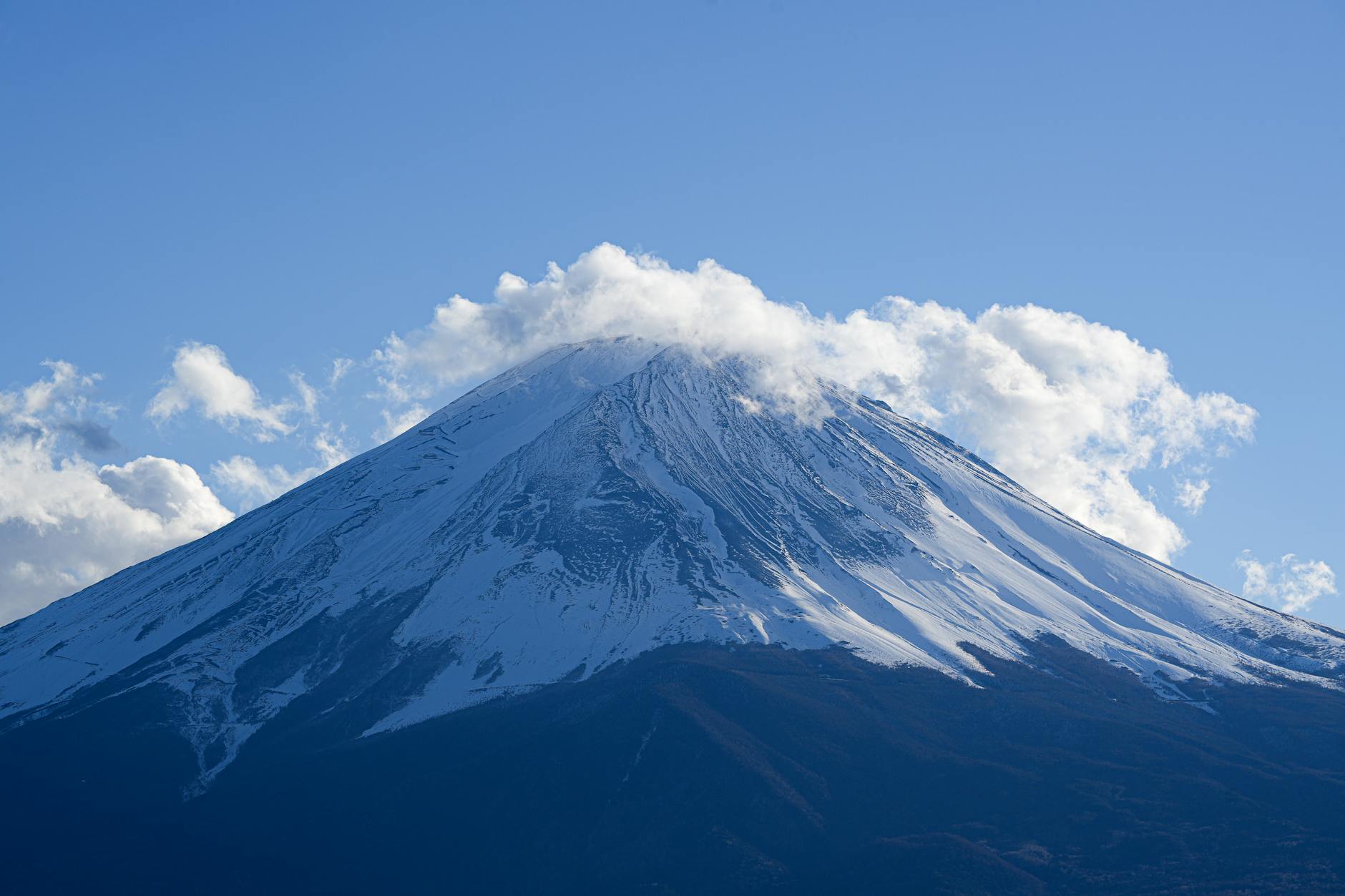
Morning: Mt. Fuji views from Hakone (best on clear mornings — winter gives highest chance of clear skies). Hakone Ropeway and Lake Ashi. Return to Tokyo by Romancecar (~2h from Hakone-Yumoto to Shinjuku). Evening flight or final night in Tokyo.
Transport Summary and Logistics
| Journey | Transport | Duration | Cost (No Pass) |
|---|---|---|---|
| Tokyo → Kyoto | Nozomi Shinkansen | 2h15m | ¥13,870 |
| Kyoto → Osaka | JR Rapid/Hankyu | 15–30 min | ¥570 |
| Osaka → Hiroshima | Nozomi Shinkansen | 1h | ¥9,780 |
| Osaka → Himeji | JR Special Rapid | 45 min | ¥1,520 |
| Osaka → Kobe | JR Rapid or Hankyu | 20 min | ¥410 |
| Osaka → Odawara | Nozomi Shinkansen | 3h | ¥15,390 |
| Nara (from Kyoto) | Kintetsu or JR Nara | 35–45 min | ¥710 |
| Nikko (from Tokyo) | Tobu/JR Limited Express | 2h | ¥2,800 |
JR Pass note: The Nozomi (fastest Shinkansen) is NOT covered by the JR Pass — use Hikari or Kodama for Shinkansen with JR Pass. Hikari to Kyoto takes about 2h35m vs 2h15m for Nozomi — a small difference worth knowing.
Accommodation Budget Guide
| Type | Typical Cost/Night | Best For |
|---|---|---|
| Hostel (dorm) | ¥2,500–4,500 | Solo travellers, budget |
| Guesthouse (private room) | ¥5,000–9,000 | Budget, local feel |
| Business hotel (Toyoko Inn, APA) | ¥7,000–12,000 | Solo or couple, practical |
| Mid-range hotel | ¥12,000–20,000 | Couples, comfort |
| Traditional ryokan | ¥15,000–50,000 (with meals) | Cultural experience, onsen |
| Luxury hotel | ¥25,000–100,000+ | Splurge occasions |
What to Skip on Your First Trip
- Universal Studios Japan (Osaka): Fine if you’re a theme park person, but it’s a full day and competes with irreplaceable Japan experiences. Skip unless you specifically want it.
- Trying to do Kyoto and Tokyo in 1 day each: You’ll spend more time in transit than actually experiencing anything. Quality over quantity.
- Day trips that eat more than 4 hours of travel: An 8-hour round trip for 2 hours at a destination is usually not worth it. Be selective.
- Over-planning: Leave afternoon/evenings unscheduled for wandering, unexpected finds, and actual meals at your own pace.
Sample Daily Budget
- Budget traveller: ¥7,000–10,000/day (hostel, convenience store and cheap ramen, limited paid attractions)
- Mid-range: ¥15,000–25,000/day (business hotel, mix of cooking and restaurants, selective attractions)
- Comfortable: ¥30,000–50,000/day (mid-range hotel, regular restaurant meals, guided experiences)
Excludes accommodation if prepaid and Shinkansen if JR Pass purchased separately.
The Bottom Line
Two weeks in Japan is ideal for a first visit. This itinerary covers Tokyo, Kyoto, Osaka, Hiroshima, Nara, and Hakone — the essential circuit — without cramming so much that nothing lands. Book accommodation early, get your IC card at the airport, and leave room in the schedule to wander without a plan. Japan rewards people who slow down and pay attention.