The Japan Rail Pass has been a default recommendation for tourists visiting Japan for decades. Buy the pass, get unlimited Shinkansen travel, done. Simple.
Then in October 2023, JR raised the prices by roughly 70%. And suddenly the maths changed.
Here’s the honest breakdown — when the JR Pass pays off, when it doesn’t, and how to calculate it for your specific trip.
What the JR Pass Actually Covers
The JR Pass covers:
- Most JR Shinkansen (bullet trains) — except Nozomi and Mizuho services
- JR local and express trains nationwide
- Some JR buses and ferries
- Tokyo Monorail
- JR Yamanote Line in Tokyo
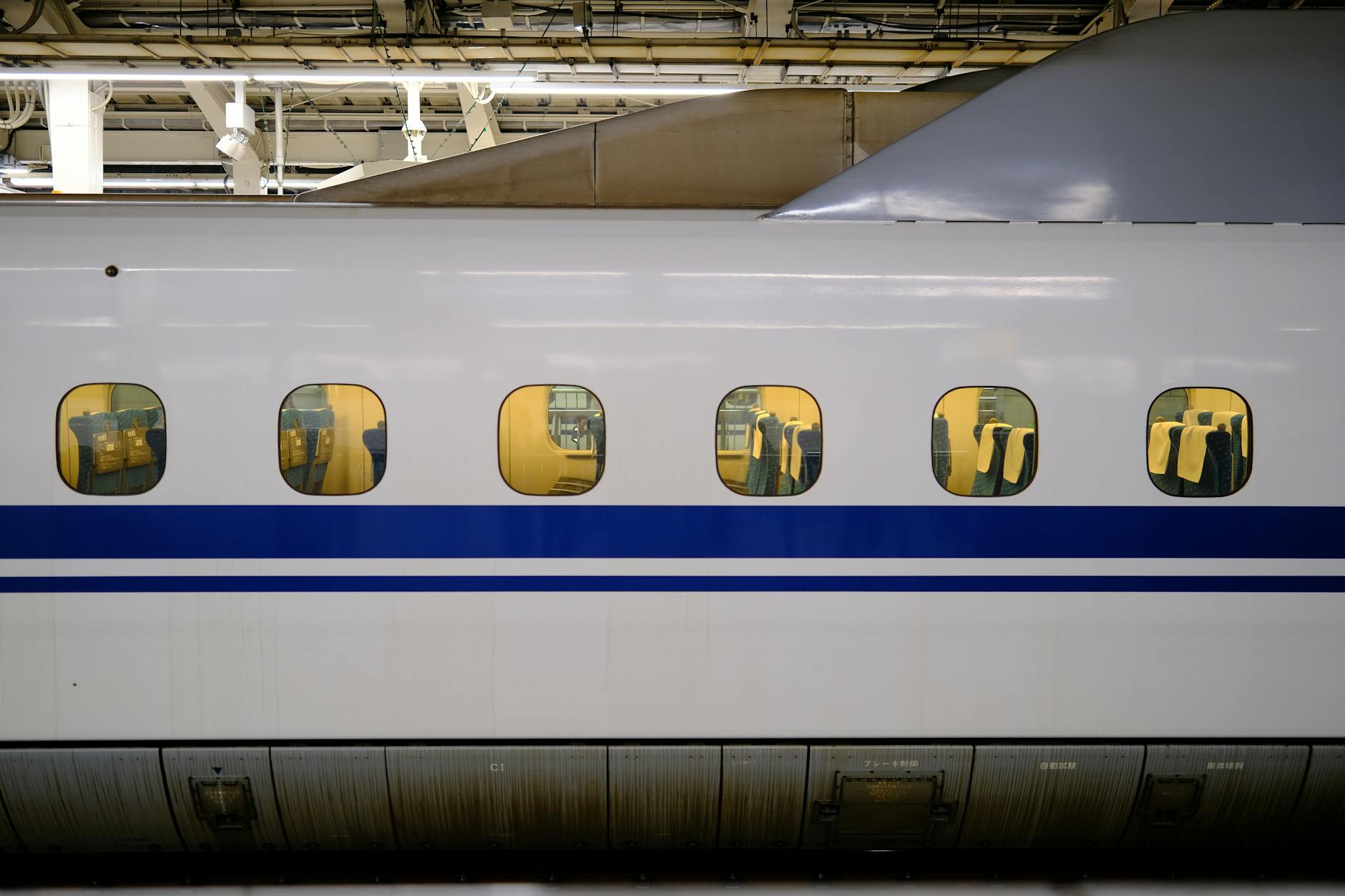
The Nozomi exclusion matters. Nozomi is the fastest Shinkansen service on the Tokaido line (Tokyo-Osaka), running roughly every 10 minutes. With a JR Pass, you must take the slower Hikari or Kodama services — which add 20-40 minutes per long-distance journey. Minor inconvenience but worth knowing.
The JR Pass does NOT cover:
- Tokyo Metro and Toei Subway (you need an IC card for city transport)
- Osaka Metro
- Most private railways (Kintetsu, Hankyu, Odakyu — major operators in Kansai)
- Nozomi/Mizuho Shinkansen
- Airport express trains (Narita Express is covered; Kansai Airport express Haruka is covered)
Current JR Pass Prices (2024-2026)
| Pass Type | Ordinary | Green (First Class) |
|---|---|---|
| 7-day | ¥50,000 (~$333) | ¥70,000 (~$467) |
| 14-day | ¥80,000 (~$533) | ¥113,000 (~$753) |
| 21-day | ¥100,000 (~$667) | ¥140,000 (~$933) |
These are adult Ordinary class prices. For current confirmed pricing, check JR East’s official JR Pass page.
Key Shinkansen Prices (Individual Tickets)
| Route | One Way (Reserved Seat) |
|---|---|
| Tokyo → Kyoto | ¥13,910 |
| Tokyo → Osaka | ¥14,720 |
| Tokyo → Hiroshima | ¥19,440 |
| Osaka → Hiroshima | ¥10,580 |
| Osaka → Fukuoka (Hakata) | ¥15,310 |
| Tokyo → Nagoya | ¥11,090 |
| Shin-Osaka → Kanazawa | ¥7,440 |
When the JR Pass IS Worth It
The 7-day pass (¥50,000) pays off if your journey includes the standard first-timer circuit. Let’s calculate:
- Tokyo → Kyoto: ¥13,910
- Kyoto → Osaka: ¥1,420 (short hop — also covered by private rail on an IC card)
- Osaka → Hiroshima: ¥10,580
- Hiroshima → Osaka: ¥10,580
- Osaka → Tokyo: ¥14,720
- Day trip Odawara (Hakone): ¥4,270 from Tokyo return
- JR trains in Tokyo and Osaka: ~¥2,000-3,000 over a week
Total: ~¥57,480 — already over the 7-day pass price of ¥50,000. Add the Nara JR day trip and it’s clearly worth it.
When the JR Pass is NOT Worth It
If you’re staying in one city: A week in Tokyo on the JR Pass is a waste. Tokyo Metro (not JR) handles most city travel. IC card is better.
Short trips (4-5 days): You won’t accumulate enough Shinkansen travel to break even.
If your route is Osaka-only: Kansai region is served heavily by private railways (Hankyu, Kintetsu) that the JR Pass doesn’t cover. A Kansai Area Pass is better for Osaka-Kyoto-Nara-Kobe travel.
Budget travellers who don’t mind overnight buses: Willer Express and other overnight buses connect major cities for ¥3,000-5,000 — massively cheaper, no pass needed.
IC Card vs JR Pass for City Travel
You need both regardless. The JR Pass covers JR lines, but city metro and private railways require an IC card (Suica or ICOCA). Load ¥3,000-5,000 on your IC card and use it for all city transport — metro, buses, convenience stores. It works everywhere.
More on IC cards and city navigation in Getting Around Japan.
How to Buy the JR Pass
The JR Pass must be purchased outside Japan (from an official JR Pass sales site or travel agent abroad) or at JR offices inside Japan. The in-Japan price is slightly higher than the overseas price.
I know tourists who arrived in Japan expecting to buy it at the airport at the same price. The overseas purchase price is notably cheaper — plan ahead. You receive a voucher which you exchange for the actual pass at a JR office at a major station or airport after arrival.
For the full history and coverage details of the Shinkansen network.
My Verdict
For a classic 2-week first-timer trip covering Tokyo-Hakone-Kyoto-Osaka-Hiroshima: buy the 7-day pass, time it to cover your long-distance travel days, and use an IC card for everything else. The maths works.
For shorter trips, return visitors, or anyone staying regionally: skip it and buy individual tickets. The flexibility of booking Nozomi fast services and not being locked to JR trains is worth it.
For the full cost picture, read How Much Does a Trip to Japan Cost. For the itinerary this covers, see Japan Itinerary: 2 Weeks. Full guide: Japan Travel Guide 2026.