
Japan arrival is a short sequence: clear immigration and customs, get data online, move from the airport into the city, set up payment and transit tools, then rest. This page is a Japan arrival checklist for that first stretch—whether you are a visitor or a new resident—plus an interactive setup tool for people who need a dated timeline after landing.
It is not legal advice and not a substitute for official instructions. Procedures, Visit Japan Web steps, customs rules, and residence registrations change. Confirm current requirements with the Immigration Services Agency of Japan, Japan Customs, your airline or airport operator, and (for movers) your municipal office. For the wider relocation path, see how to move to Japan and the living in Japan hub.
Use the interactive arrival setup tool
If you already know your visa or programme type and arrival date, use the interactive checklist below to build a personal setup timeline. Choose how you are arriving (for example JET/ALT, student, work visa, or working holiday), enter your date, and stamp tasks in order—documents before you fly, landing-day connectivity, and the first weeks of municipal and life setup when those steps apply to you.
Tourists can still use the high-level sections on this page for airport day basics; the dated “city hall / bank / resident phone” stamps are aimed at people entering on a mid- to long-term status, not short tourist stays.
Moving to Japan Checklist: Your First 30 Days, Planned to the Date 来日準備チェックリスト
Tell us how you’re arriving and when. We’ll build your personal setup timeline — every document, account, and errand, stamped off one by one like an eki stamp rally.
01 — How are you arriving?
Before You Fly: Prepare Documents & Get Connected
What to sort from home before you land — passport, COE, bank notifications, and landing connectivity.
Landing Day: Residence Card & Getting Online
Collect your Zairyu Card at immigration, activate your eSIM, and set up IC cards for transport.
First Week: City Hall, Health Insurance & Bank Account
Register your address, enroll in National Health Insurance, and open a Japanese bank account within 14 days.
First Month: Phone Plan, Internet, Apartment & Settling In
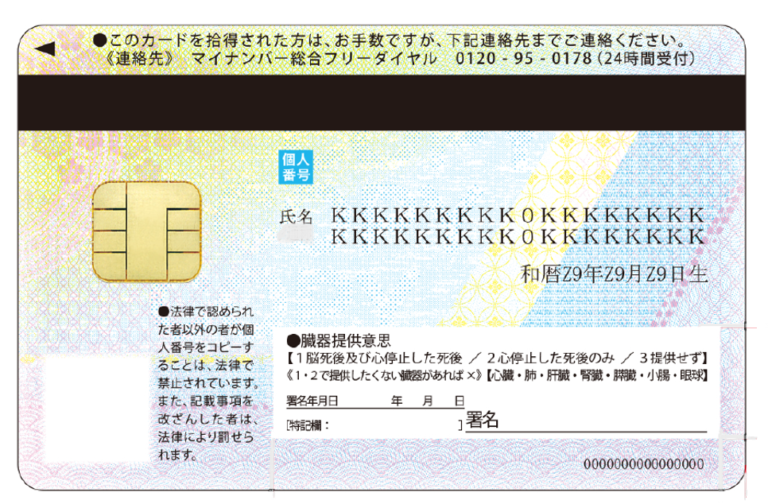
Switch to a resident phone plan, order fiber internet, furnish your place, and get your My Number Card.
Japan arrival checklist at a glance
- Before you land: passport, visa or status paperwork as required, lodging address for landing cards/forms, and a connectivity plan (eSIM, SIM, or pocket Wi‑Fi).
- Immigration and customs: follow staff and official guidance; declare what you must; keep documents accessible.
- Get online: activate your eSIM/SIM or pick up pocket Wi‑Fi so maps and messages work.
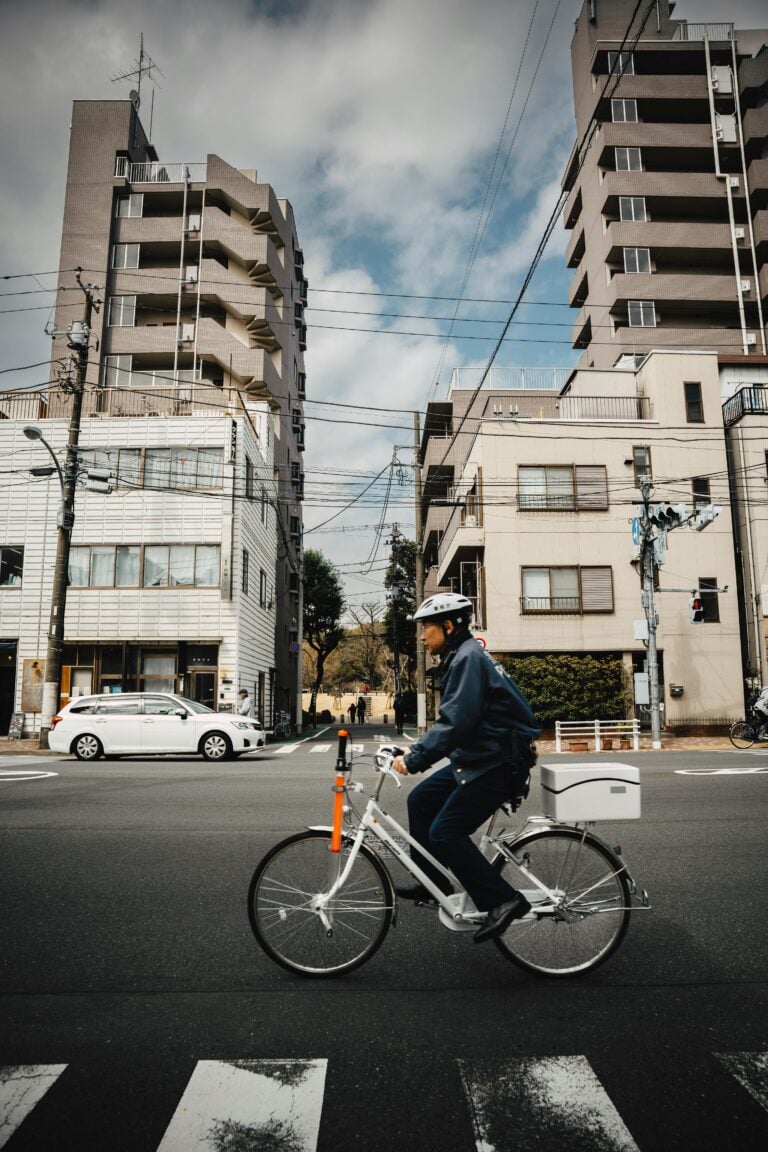
- Airport to city: choose train, limousine bus, or taxi based on luggage, time, and destination.
- Transit money tools: get or top up an IC card when practical; keep some cash.
- First night: check in, eat something simple (often a konbini), sleep.
- Movers only (later): residence registration and related municipal steps on the timeline your status requires—not usually a tourist task.
Immigration and customs: high-level only
On arrival you present yourself for landing formalities and then clear customs. Exact screens, kiosks, Visit Japan Web usage, fingerprint/photo steps, and which desks you use depend on your nationality, status, and current airport procedures. Do not rely on a blog for fee amounts, prohibited-item lists, or “always do X first” claims that may already be outdated.
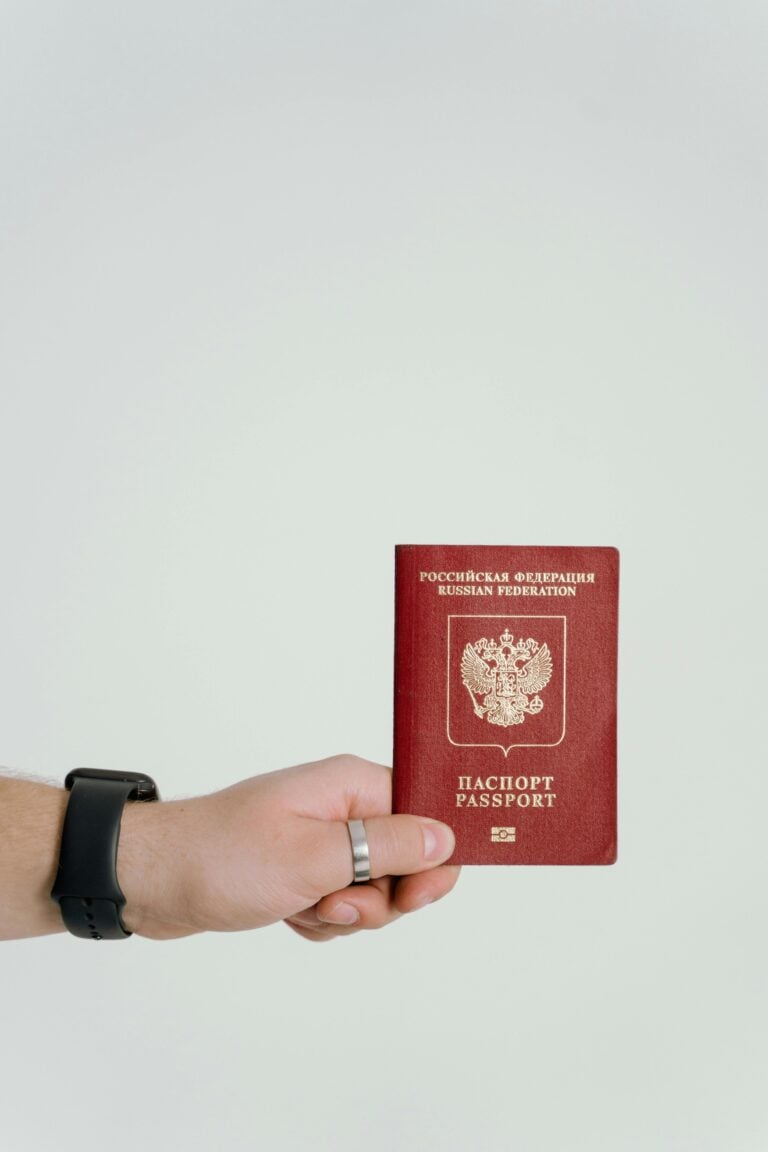
- Have ready: passport; visa or Certificate of Eligibility-related documents when they apply; booking details for your first address; any required customs declaration information.
- Follow official channels: Immigration Services Agency and Japan Customs publish the current rules. Airport and airline notices matter on the day.
- Residence card (zairyu card): mid- to long-term residents often receive or process residence-card steps as part of entry under current rules—confirm for your status. Card/chip issues later are covered in our zairyu card IC-chip notes.
- Tourist entries: short stays usually do not involve city-hall residence registration. Visa waiver vs visa requirements belong to official and embassy guidance; our Japan tourist visa page is orientation only.
If something on a form or screen is unclear, ask an officer rather than guessing. Inventing answers to speed the queue creates bigger problems than waiting.
Getting from the airport into the city
Major international airports connect to city centres by rail, limousine bus, and taxi. The “best” option depends on luggage, group size, arrival time, and whether you need to transfer stations with big bags. Prices and timetables change—check the airport’s official transport pages and your lodging’s recommended route on the day.
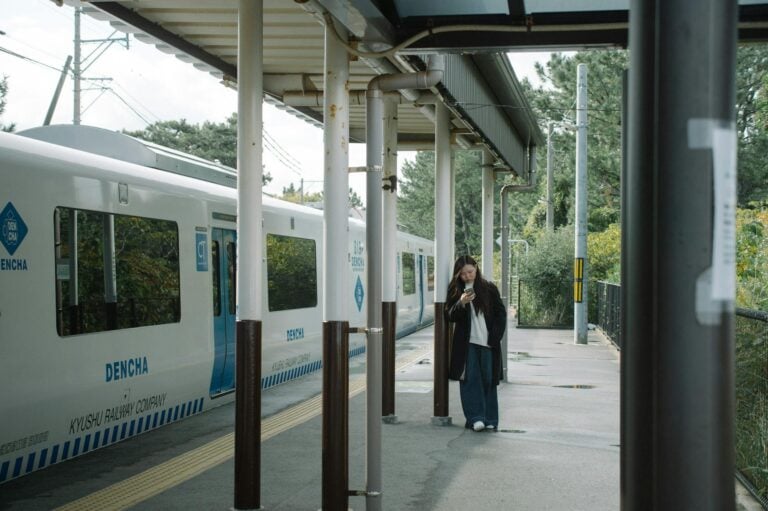
- Train / rail: often fastest into dense cities when you can handle stairs or elevators with your bags.
- Limousine bus: useful with heavy luggage or late arrivals when a seat-to-hotel-area option exists.
- Taxi: simplest door-to-door, usually the most expensive; confirm payment methods with the driver or meter display.
For ongoing transport after day one—trains, buses, IC cards, and trip logic—use getting around Japan. Trip shape and destinations sit in the Japan travel guide.
SIM, eSIM, or pocket Wi‑Fi on arrival
You need working data for maps, translation, lodging messages, and transit apps. Free airport Wi‑Fi helps for a few minutes; it is a weak plan for the whole day. Common options:
- eSIM: install before you fly or at landing if your phone is unlocked and eSIM-capable.
- Physical SIM: airport counters or city shops; keep your home SIM safe if you still need it.
- Pocket Wi‑Fi: shares data across devices; handy for couples or small groups.
Compare trade-offs in the pocket Wi‑Fi Japan guide. Residents who stay longer often move from tourist connectivity to a local phone plan after address and ID pieces are in place—that is a week-one or month-one task, not a substitute for landing-day data.
IC cards for trains and buses
Reusable IC cards (widely known brands include Suica and Pasmo, among others depending on region) let you tap through ticket gates and, in many places, pay at shops. You can often buy or top up at airport stations and major city stations. Availability of tourist variants, mobile IC options, and where cards are sold changes—follow station signage and official issuer apps.
You do not need to master Japan’s entire rail map on hour one. Get into the city, tap in/out correctly, and keep the card topped up. Deeper mode choice and pass questions belong in getting around Japan.
Cash vs cards on day one
Japan is more cashless than stereotypes suggest, especially in large cities, but some cash still helps: small shops, certain transport situations, coin lockers, and moments when a foreign card is declined. Carry a modest amount of yen and at least one backup card. Do not assume every terminal accepts every overseas network.
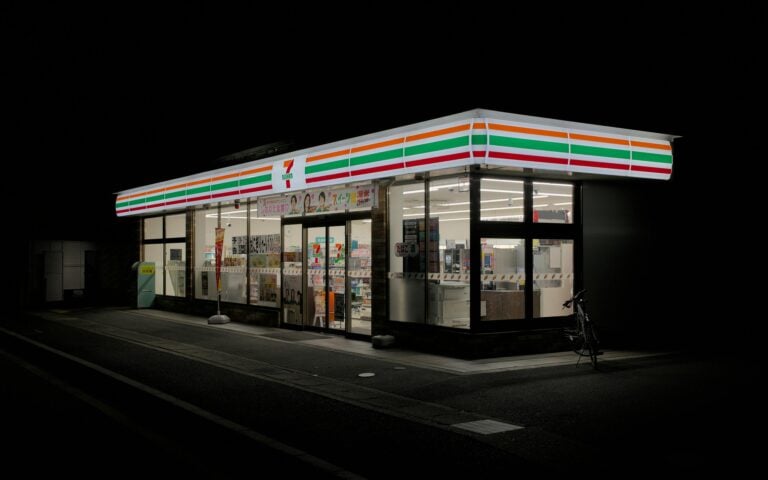
Convenience-store ATMs are a common way visitors withdraw yen when the machine and your card issuer cooperate. Fees, networks, and hours vary—read the ATM screen. Practical ATM and late-night food context lives in our convenience stores in Japan guide. For longer budget planning after you settle, use the cost of living in Japan overview rather than airport guesses.
Tourists vs movers: what happens after landing day
Tourists usually go from airport → lodging → itinerary. Your “arrival setup” is connectivity, transport, money tools, and rest. Sightseeing planning belongs with the travel guide and packing reality-checks in what to pack for Japan.
New residents (work, study, family, working holiday, and similar mid- to long-term statuses) still do the same landing-day basics, then add municipal and life-admin steps on a deadline that depends on your status and local office rules. Typical themes—not a universal legal checklist—include:
- Residence registration at the city/ward office for your address
- My Number–related processes as instructed locally
- National Health Insurance enrollment when it applies — see Japan National Health Insurance
- Japanese phone number and bank account when providers’ ID rules allow
Those steps are why the interactive tool on this page builds a first weeks timeline for movers. Sequence them with how to move to Japan and everyday context in living in Japan as a foreigner. Do not invent a 14-day universal rule from a blog if your ward office or residence status instructions differ—follow the office in front of you.
First evening practicalities
- Food: a konbini meal is a valid first dinner; save restaurant hunting for after sleep.
- Luggage: if you forwarded bags or need lockers, follow current station/airport locker rules; do not leave bags unattended.
- Jet lag: hydrate, set one alarm for any morning municipal appointment, and avoid stacking complex errands on landing night.
- Documents: keep passport and residence card (if issued) separate from your day wallet when you can; photograph important pages only if your security practice allows.
How this page fits the rest of fly-jpn
Use this URL for landing-day and first-week setup. Use how to move to Japan for the full relocation sequence, pocket Wi‑Fi for connectivity decisions, packing before you fly, cost of living for budgets after you arrive, konbini for day-one errands, and the Japan travel guide when the trip itself is the goal.
FAQs about arriving in Japan
What should I do first when arriving in Japan?
Complete immigration and customs as directed, get working data on your phone, travel to your lodging, and secure basic payment/transit tools. Everything else—sightseeing or municipal registration—comes after you can move, message, and rest.
Do tourists and new residents follow the same Japan arrival checklist?
They share airport basics (formalities, connectivity, transport, money). New residents then add city-hall and life-admin steps on timelines set by their status and municipality. Tourists generally do not register residence at city hall for a short stay.
Do I need cash on my first day in Japan?
Some cash is still useful even if you prefer cards. Keep a modest yen float and a backup card. Konbini ATMs can help when your card and the machine are compatible; always read on-screen fees and limits.
Should I get a SIM, eSIM, or pocket Wi‑Fi on arrival?
Any reliable data option beats depending on free Wi‑Fi alone. Solo travellers often like eSIM; groups sometimes prefer pocket Wi‑Fi. Compare options in the pocket Wi‑Fi guide and confirm your phone is unlocked before you fly.
What is an IC card and do I need one immediately?
An IC card is a reloadable transit smart card used on many trains and buses (and often at shops). It is very convenient on day one if you will ride local transit, but you can also buy paper tickets for a single journey while you sort a card. Details vary by region—see getting around Japan.
When should movers go to city hall after landing?
Follow the deadline and document list for your residence status and local office—not a generic blog countdown. Residence registration, My Number, and health insurance enrollment are commonly clustered early for new residents. Use the interactive tool on this page for a dated stamp list, then confirm with your ward/city office and how to move to Japan.
Where can I check official immigration and customs rules?
Use the Immigration Services Agency of Japan, Japan Customs, your Japanese embassy or consulate, and current airport guidance. Treat fly-jpn as practical orientation. Rules and digital entry tools change; verify before you travel and again if your plans shift.
Land, get online, get into town, keep a little cash and an IC card when you can, then rest. If you are moving—not just visiting—open the interactive timeline above and walk the stamps with official instructions in hand.