Permanent Residency in Japan: Requirements and Realistic Timeline
Permanent residency (PR) in Japan is a long-term residence status—not Japanese citizenship, and not something you apply for on arrival week. It can remove many renewal cycles and give more flexibility around work and re-entry, but it still sits inside Japan’s immigration system. Eligibility, documents, and processing change. This page is an educational overview of permanent residency Japan themes, not legal advice.
Always verify current rules with the Immigration Services Agency of Japan, your regional immigration bureau, and—when your case is complex—a licensed immigration specialist. If you are still planning the move itself, start with how to move to Japan and the living in Japan hub before you treat PR as a near-term project.
What permanent residency means (and what it does not)
People often mix three different ideas: permanent residency, Japanese nationality, and other long-term residence statuses. Keeping them separate saves frustration later.
- Permanent residency (eijūsha / permanent resident): a status of residence that, if granted, typically removes the usual fixed period-of-stay renewals tied to many work or other statuses. You still hold a residence card and must follow reporting and re-entry rules that apply to permanent residents under current law.
- Japanese citizenship (naturalisation): a different legal track with different criteria, procedures, and consequences for previous nationality depending on your home country’s rules. PR is not “citizenship lite,” and citizenship is not automatic after PR.
- Other long-term statuses: multi-year work statuses, spouse statuses, Highly Skilled Professional designations, and similar categories can feel “permanent” in daily life because renewals become routine—but they are still time-limited or condition-linked until (and unless) PR is granted.
For day-to-day life as a foreign resident—housing, banks, city hall—see living in Japan as a foreigner. For the visa statuses that usually come before PR, use the Japan work visa overview.
Common paths to permanent residency Japan (high-level)
Japan does not publish a single “one timeline fits all” promise. Forums often compress years of nuance into a slogan. Treat the table below as a planning map of commonly discussed paths—not a guarantee, not a fee schedule, and not a substitute for official guidance. Typical ranges shift when rules change; verify before you plan a career or family decision around them.
| Path (high level) | Who it usually discusses | Typical residence pattern people talk about | Caveats you must verify |
|---|---|---|---|
| Standard continuous residence | Long-term residents on work or other qualifying statuses with a stable history | Often discussed around roughly 10 years of continuous residence under current frameworks—confirm the exact counting rules for your status history | Continuity, lawful status, tax/insurance compliance, and livelihood matters usually weigh heavily. Gaps, overstays, or unstable renewals can complicate a case. |
| Highly Skilled Professional (HSP) points-related fast-track | People who may qualify under Japan’s points-based skilled framework | Often discussed as a shorter track than the general long-residence pattern when points and other conditions are met | Points categories, score thresholds, and PR-linked benefits change. Do not rely on an old blog’s point table. Check current Immigration Services Agency materials for your year. |
| Spouse of a Japanese national (or certain permanent residents) | People with a qualifying marital relationship and residence history in Japan | Often discussed as a shorter track than the general ~10-year pattern when relationship and residence conditions are satisfied | Relationship genuineness, cohabitation/history evidence, and status history matter. Marriage alone is not a rubber stamp. |
| Other special / exceptional situations | Cases that may fit special contribution, designated frameworks, or other exceptional criteria described in official guidance | Highly case-specific; not a DIY slogan timeline | If someone markets a “secret shortcut,” treat it as a red flag until you see it in official language or from a licensed professional reviewing your file. |
Educational disclaimer: this table cannot tell you which path you qualify for or when you will be approved. Processing times, document lists, and eligibility details differ by case and change over time. Confirm with the Immigration Services Agency of Japan (and a licensed specialist if needed) before you resign a job, move prefectures, or rearrange family plans around a hoped-for PR date.
Stable livelihood and income—without invented “official” yen cutoffs
Applicants and advisers often emphasise stable livelihood: the ability to support yourself (and dependents, if any) without becoming a public burden under the standards immigration applies at the time. Employers, past tax records, and household circumstances can all appear in that picture.
What you should not do is treat a random yen number from a forum, recruiter Slack, or older article as an official national threshold. Income expectations can be discussed in guidance, practice notes, or case-specific advice—and those figures go stale. If livelihood is part of your planning:
- Keep clean employment and income records for the years you will rely on.
- Avoid large unexplained gaps between claimed lifestyle and documented income.
- Check current Immigration Services Agency materials and, if needed, ask a licensed professional what evidence is typical for cases like yours.
- Remember that household size, dependents, and local cost context can matter more than a single headline salary number.
For broader money context after you live here—not as a PR formula—see daily-life budgeting via the living hub cluster and keep tax compliance (next section) as a first-class habit.
Tax and social insurance compliance matters more than people admit
Many weak PR files are not “mystery rejections.” They are compliance stories: missing tax payments, late residence tax, gaps in pension or health insurance enrollment, or records that do not match the residence history you claim. Immigration does not need this page’s opinion to care about those themes—applicants who prepare early usually collect certificates and histories over years, not the week before filing.
- Income tax and residence tax: understand what you owe as a resident and keep filings/payments current. Start with taxes in Japan for foreigners for orientation, then confirm with your municipality / tax office / employer payroll—not with a blog calculator alone.
- Health insurance: whether you are on employees’ insurance or National Health Insurance, enrollment and payment history should be coherent. Practical foreigner notes live in Japan National Health Insurance; local desks confirm your exact situation.
- Pension (nenkin) themes: contribution history can appear in broader social-insurance compliance discussions. Rules and exemptions are technical—verify officially rather than guessing from friends’ stories.
If you discover arrears or gaps, fix them through proper channels as early as you can. Hoping immigration will ignore incomplete compliance is not a strategy.
Document categories (not a fake exhaustive checklist)
Application packets are case-specific. Publishing a pretend “complete checklist” that looks official would mislead readers when forms, certificates, or supporting evidence change. Think in categories, then build your real list from current Immigration Services Agency instructions and bureau practice for your situation:
- Identity and status: passport, residence card, and evidence of your current status of residence history.
- Residence continuity: records that show where and how you have lived in Japan over the relevant years (municipal certificates and related documents as required).
- Tax and insurance evidence: certificates or histories that demonstrate compliance themes discussed above.
- Livelihood / employment: employment contracts, income evidence, or other materials that show stable support capacity under current expectations.
- Family / relationship evidence (when relevant): marriage, family composition, or cohabitation materials for spouse-linked paths.
- Application forms and photo / ID formalities: whatever the current application set requires, completed accurately.
- Translations and supplementary explanations: when documents are not in Japanese, or when your history needs a clear written timeline.
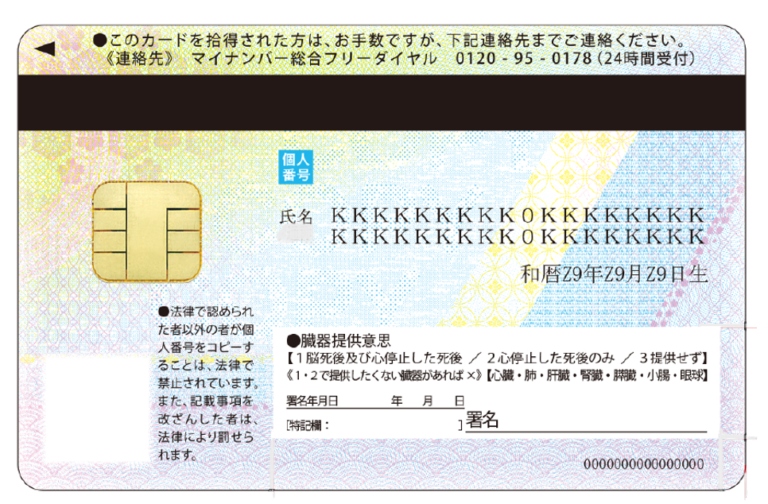
Your residence card remains daily-life ID while you prepare. If you use a newer IC-chip card and hit reader or process issues, see zairyu card IC chip problems foreign residents need to know—then follow official instructions, not forum workarounds.
Application process overview
Exact steps and intake methods can change (counter filing, appointment systems, and supporting portals evolve). At a high level, most applicants experience something like this sequence:
- Confirm the path you are actually on (general long residence, HSP-linked, spouse-linked, or another framework) using current official materials—not a screenshot from 2019.
- Audit compliance and history years before you hope to file: tax, insurance, residence continuity, and livelihood evidence.
- Assemble documents by category from the current official list for permanent residence applications, plus any bureau-specific notes.
- File with the competent immigration bureau for your residence, following current appointment or submission rules.
- Respond to requests for additional documents if immigration asks—silence or incomplete replies stall files.
- Wait for a decision on a timeline that varies widely by bureau load and case complexity. Do not treat a friend’s “it took X months” as your guarantee.
- If granted, complete post-approval card / status update steps as instructed so your residence card and records match the new status.
Processing is not a countdown timer you can game with a packing list. Keep your current status valid throughout; letting a work status lapse while “waiting for PR” creates new problems.
Common rejection and delay themes
Immigration does not owe the internet a public scorecard of your file. Still, advisers and applicants repeatedly describe overlapping themes when applications struggle. Treat these as risk areas to prepare for—not as a prediction of your outcome:
- Compliance gaps: unpaid or inconsistently documented taxes, insurance, or pension themes that undermine the “stable, law-abiding resident” story.
- Unstable residence history: frequent status changes, short renewals, unexplained gaps, or periods that do not match the continuous-residence narrative you claim.
- Incomplete or inconsistent documents: missing certificates, mismatched addresses/employers across forms, weak translations, or timelines that contradict each other.
- Livelihood concerns: income or household support evidence that looks fragile relative to dependents and living costs—again, judged under current practice, not a viral yen meme.
- Relationship evidence issues (spouse paths): thin cohabitation history, unclear genuineness signals, or documents that raise more questions than they answer.
- Conduct / immigration history problems: past violations, overstays, or other records that weigh against approval under applicable standards.
A refusal is not automatically “forever,” but re-filing without fixing the underlying issue wastes years. If your situation is non-standard, professional review before the first filing is often cheaper than optimism.
What often changes after permanent residency
PR is a status change, not a personality transplant. Daily life still includes taxes, insurance, and residence-card formalities. At a high level, people commonly notice:
- Fewer ordinary period-of-stay renewals of the kind attached to many work statuses—confirm what re-issue / card update cycles still apply to permanent residents under current rules.
- Greater work flexibility in principle compared with activity-restricted work statuses—always check what your new card and the law actually permit; “flexibility” is not a licence to ignore labour or tax rules.
- Re-entry planning that may differ from non-PR residents (including special re-entry patterns where applicable). Leaving Japan without following current re-entry procedures can still jeopardise status—verify before long trips.
- Unchanged basics: you are still a foreign national until (if ever) you naturalise; municipal registration, tax residence, and insurance obligations continue to matter.
Keep your address and household records tidy after approval. Status upgrades do not erase the need for accurate city-hall information.
Do you need a lawyer or immigration specialist?
Many straightforward files are prepared by applicants themselves using official forms and carefully collected certificates. A licensed immigration specialist (for example a gyoseishoshi administrative scrivener who handles immigration matters, or an attorney where appropriate) is not mandatory for everyone.
Professional help is more often worth considering when:
- Your residence history is complex (many status changes, overseas gaps, or prior refusals).
- You are on an HSP or other points-linked narrative and need the evidence organised correctly under current rules.
- Spouse or family evidence needs careful presentation.
- You have past compliance problems you are actively remediating.
- You simply want a second set of trained eyes before a high-stakes filing.
Choose credentialed professionals, get engagement terms in writing, and remember that no honest adviser can sell you a guaranteed approval. This site does not provide legal representation.
How PR fits the longer living-in-Japan path
Permanent residency is a later chapter. The practical order for most people looks like: choose a lawful entry/residence path → build stable work or family residence → keep tax and insurance clean → maintain continuous lawful status → only then evaluate PR timing. Jumping emotionally to PR while your first work visa or move logistics are still fuzzy usually wastes focus.
Use how to move to Japan for the relocation sequence, Japan work visa for status categories before PR, taxes for foreigners and National Health Insurance for compliance habits, and the living in Japan hub to navigate the wider cluster.
Frequently asked questions
What is permanent residency in Japan?
It is a status of residence that, if granted, typically frees you from many ordinary period-of-stay renewals tied to work or other statuses. You remain a foreign national. It is not the same as Japanese citizenship. Verify current rights and duties with the Immigration Services Agency of Japan.
How long do you need to live in Japan before applying for PR?
It depends on the path. A general continuous-residence pattern is often discussed around roughly ten years; spouse-linked and certain Highly Skilled Professional-related tracks are often discussed as shorter when their conditions are met. Counting rules, exceptions, and current criteria change—confirm officially for your history. Do not treat a forum average as your legal timeline.
Does Highly Skilled Professional status speed up permanent residency?
HSP frameworks are frequently associated with faster PR-related tracks when points and other conditions are satisfied under current rules. Points tables and benefits are updated over time. Check the Immigration Services Agency materials for the year you plan to rely on—do not use an outdated points screenshot as proof of eligibility.
Can spouses of Japanese nationals apply earlier?
Spouse-linked paths are commonly discussed as shorter than the general long-residence pattern when relationship and residence conditions are met. Marriage alone does not guarantee approval. Evidence quality and lawful history still matter. Verify current criteria before you assume a calendar date.
Do I need a lawyer for a Japan PR application?
Not always. Many clear histories are self-prepared with official forms. Complex histories, prior issues, or high-stakes family/HSP narratives are common reasons to hire a licensed immigration specialist. No professional can honestly guarantee approval.
What documents are usually involved?
Expect categories such as identity/status evidence, residence history, tax and insurance compliance records, livelihood/employment materials, and—when relevant—family relationship evidence, plus the current application forms. Exact lists change. Build yours from current official instructions, not from a copied blog checklist.
Why do permanent residency applications get rejected?
Common themes include compliance gaps (tax/insurance), unstable or inconsistent residence history, incomplete documents, livelihood concerns, weak relationship evidence on spouse paths, and past immigration problems. A refusal means you should diagnose the file—not instantly re-submit the same packet.
What changes after you receive permanent residency?
People often gain relief from ordinary work-status renewal cycles and more flexibility around employment activity, while still following permanent-resident card, re-entry, tax, and municipal rules. Confirm post-approval steps and travel procedures officially. PR is not citizenship and does not erase ongoing compliance duties.
Plan the rest of your Japan life
PR planning only makes sense on top of a lawful move and a stable residence pattern. Return to the living in Japan hub for the wider cluster, map the relocation sequence with how to move to Japan, clarify pre-PR statuses via the work visa guide, keep compliance sharp with taxes in Japan for foreigners and National Health Insurance, and keep residence-card quirks on your radar with the zairyu IC chip article. For everyday foreigner life context, see living in Japan as a foreigner.
Bottom line: permanent residency Japan is a later milestone built on years of lawful status, stable livelihood, and tax/insurance compliance—not a day-one checkbox. Use this page to understand the paths and risks at a high level, then verify every requirement with the Immigration Services Agency of Japan before you act.