Everyone asks the same question before booking their Japan trip: when should I go? The honest answer: it depends what you want. Japan has four genuinely distinct seasons, each with something real to offer — and each with real trade-offs. There’s no single “best” time. There’s only the best time for you.
Having lived in Osaka for years, watched every season roll through, and talked to more confused tourists than I can count — here’s the breakdown you actually need.
Quick Answer: Best Times by Goal
- Cherry blossoms: Late March–April (plan 6+ months ahead)
- Autumn foliage: Mid-October–late November
- Skiing / winter sports: January–February (Hokkaido)
- Fewest crowds + lower prices: January (after New Year), June (rainy season)
- Summer festivals: July–August (heat is real — prepare for it)
- Mild weather, manageable crowds: Late October–early November
Japan’s Seasons at a Glance
Japan runs roughly like this:
- Spring (March–May): Cherry blossoms, warm days, peak tourist season
- Summer (June–August): Rainy season → then hot, humid, festival-heavy
- Autumn (September–November): Cooling temps, spectacular foliage, second peak season
- Winter (December–February): Cold, quiet (except New Year), ski season in the north
That said, Japan’s geography stretches over 3,000km from north to south. What’s true in Hokkaido is often the opposite in Okinawa. I’ll break it down by month and then by region.
Month-by-Month Guide to Visiting Japan
January — Cold, Quiet, Underrated
After the New Year rush clears (January 3rd onwards), Japan quiets down remarkably fast. Temple crowds evaporate. Prices dip. You can walk through Fushimi Inari at 8am and actually have the main torii tunnel to yourself for a photo — something nearly impossible in April.
Average temperatures: Tokyo ~5–9°C | Osaka ~5–10°C | Sapporo -6 to -1°C | Okinawa 15–19°C
What January offers: Niseko powder (Hokkaido’s ski season is world-class, legitimately), empty temples, cheaper flights and hotels, and a Japan that feels local rather than touristed. The cold is real but manageable — pack layers, not a sleeping bag.
Watch out for: January 1–3 is New Year (Shogatsu) — many restaurants and shops close. Some tourist sites are packed with Japanese families paying shrine visits. After the 3rd, the country normalises quickly.
February — Still Cold, But Things Stir
February is winter’s last stand — and it has some genuine highlights. The Sapporo Snow Festival (first or second week of February) draws millions of visitors for its enormous ice sculptures. Book accommodation in Sapporo four to six months ahead if you’re going — the city genuinely fills up.
Elsewhere, ume (plum) blossoms start appearing from mid-February. Plum trees bloom before cherry blossoms and get about 5% of the attention — which means spots like Osaka’s Osaka Castle plum grove and Tokyo’s Koishikawa Korakuen are beautiful and uncrowded. Worth knowing.
Average temperatures: Tokyo ~4–10°C | Osaka ~4–10°C | Okinawa 15–20°C
Skiers: February is peak powder month in Hokkaido. Resorts like Niseko, Furano, and Tomamu are busy but the snow quality is exceptional.
March — Shoulder Season Turning Peak
March is when Japan’s tourist thermometer starts climbing fast. Early March is still relatively calm — but cherry blossom forecasts drop in late February and the booking scramble begins immediately.
In southern Kyushu and the Izu Peninsula, sakura can open as early as mid-to-late March. Tokyo typically hits full bloom around late March to early April. The front moves north gradually over six weeks.
Average temperatures: Tokyo ~8–14°C | Osaka ~8–15°C | Sapporo -3–4°C
Practical note: Hotels in Tokyo and Kyoto in late March will be significantly more expensive than January. If you’re flexible, early March (before bloom) offers good weather without peak pricing. The JNTO cherry blossom forecast updates regularly from February — check it often.
April — Cherry Blossom Peak (and the Crowds That Come With It)
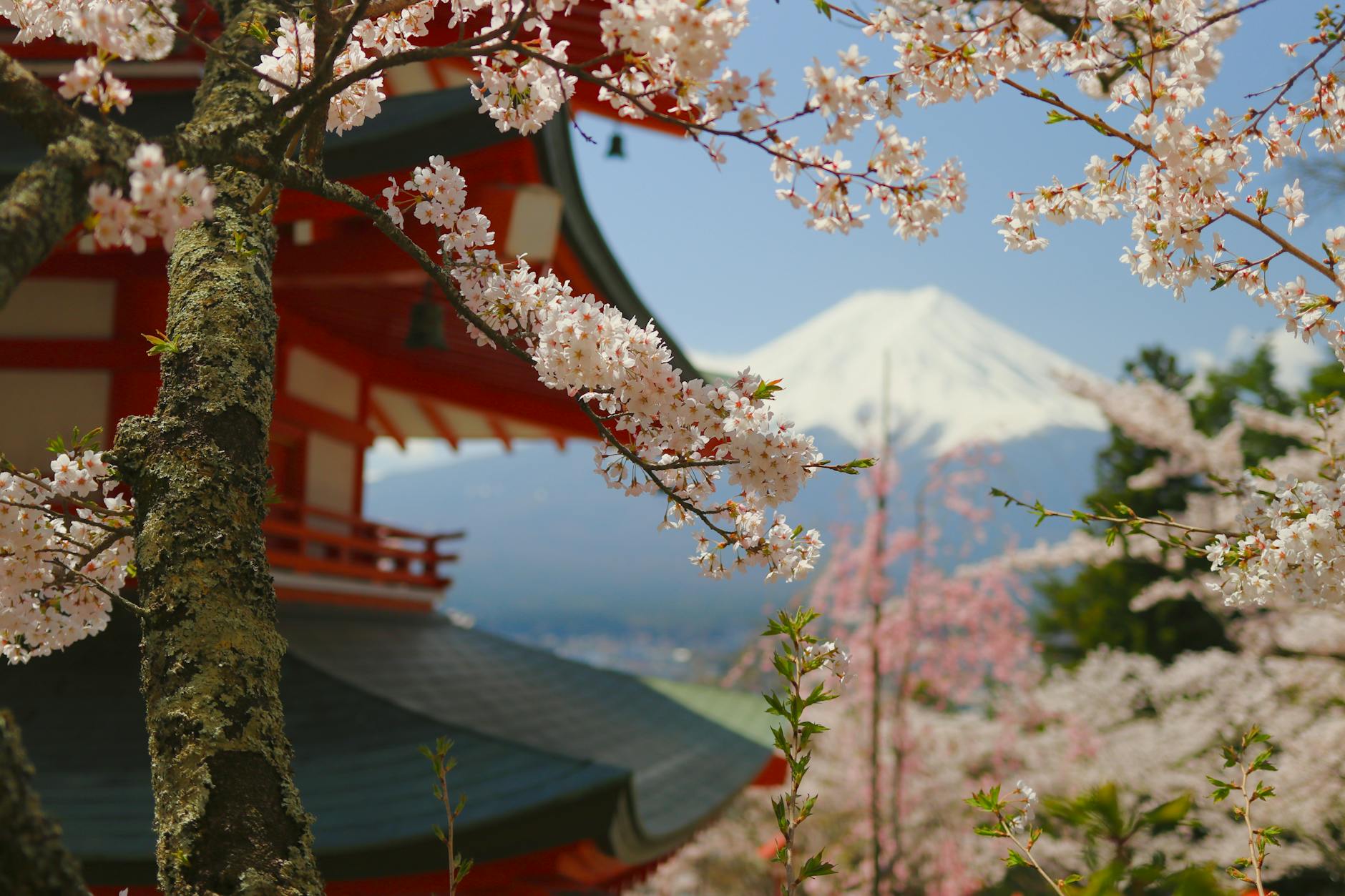
This is what everyone comes for. And it’s genuinely worth seeing — parks carpeted in pink, rivers lined with blossoms, hanami picnics happening everywhere you look. It’s also the most crowded Japan gets outside Golden Week.
Hotels book out months in advance. Popular spots like Kyoto’s Maruyama Park and Tokyo’s Ueno Park will have thousands of people simultaneously. That’s not hyperbole — plan for it or plan around it.
Average temperatures: Tokyo ~13–18°C | Osaka ~13–19°C | Sapporo 6–13°C
The bloom window is short: typically 1–2 weeks per city at full peak. Check forecasts obsessively if you’re planning around it — a warm spell can accelerate bloom by a week, or a cold snap can delay it.
Golden Week warning: April 29 to May 5 is Golden Week — Japan’s longest public holiday stretch. Japanese domestic tourism peaks here. Trains, shrines, and popular restaurants get extremely crowded. Prices jump. If your trip overlaps with Golden Week, book everything 3–4 months ahead or accept that you’ll be competing with half of Japan for the same spots.
If you want cherry blossoms without the maximum crowd, consider: Hirosaki Castle in Aomori (late April, bloom delayed by latitude), Takato Castle in Nagano (mid-April, genuinely spectacular and far less visited), or any smaller rural castle town.
May — After the Rush, Before the Heat
Post-Golden Week Japan (from May 6 onwards) is quietly excellent. Cherry blossoms are gone but the weather is ideal — warm, not yet humid, long daylight hours. Crowds thin noticeably. Prices come back to normal.
Average temperatures: Tokyo ~17–23°C | Osaka ~17–23°C | Sapporo 10–17°C
Highlights: Fresh green foliage everywhere (Japan’s spring greens are genuinely striking), wisteria season (Ashikaga Flower Park is famous for it), and manageable travel without peak-season headaches. Late May is possibly the most underrated time to visit Japan — comfortable temperatures, low humidity, and reasonable prices.
June — Rainy Season (Tsuyu)
Rainy season — tsuyu — hits most of Honshu in June. It’s not monsoon rain; it’s persistent drizzle interrupted by humid grey days. That said, it’s often overstated as a deterrent.
Average temperatures: Tokyo ~20–25°C | Osaka ~20–26°C | Okinawa already past rainy season by late June
The upside: lowest hotel prices and fewest tourists of the shoulder seasons. Hydrangea season peaks in June — Meigetsuin temple in Kamakura becomes a riot of blue-purple hydrangeas along stone paths. Worth it if you don’t mind a jacket and umbrella.
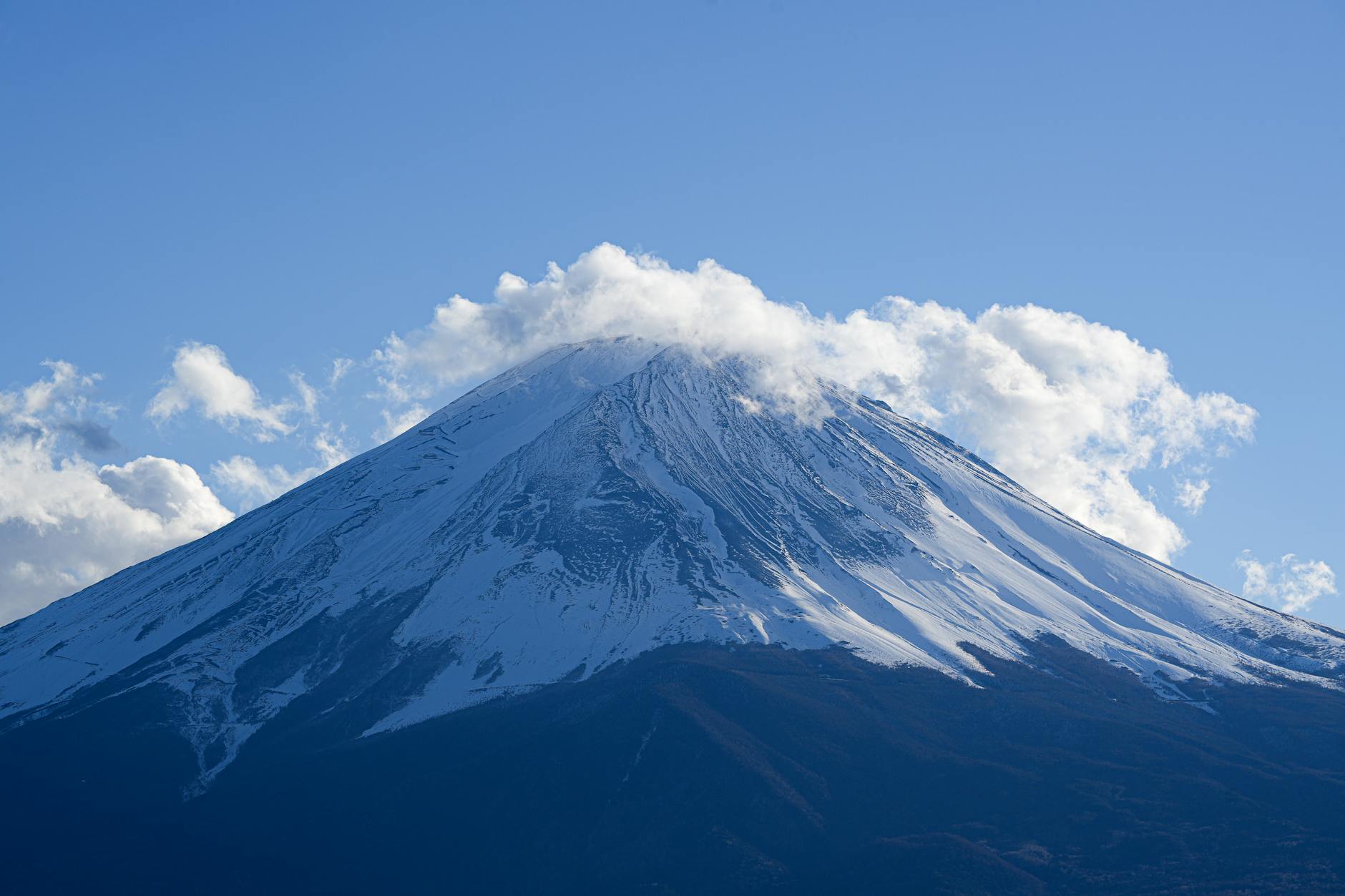
The downside: Some outdoor activities are less enjoyable. Mt. Fuji climbing season doesn’t officially open until July 1. Heat and humidity start building.
Note on Okinawa: Okinawa’s rainy season runs May–June. By July it’s clear, hot, and beach-ready. It’s effectively a tropical island on a different schedule from mainland Japan.
July — Hot, Humid, Festival Season
Mainland Japan in July is genuinely hot and humid — Tokyo averages 25–30°C with 70%+ humidity. Not comfortable if you’re not used to it. But July is also when Japan’s summer festival calendar explodes.
Average temperatures: Tokyo ~25–30°C | Osaka ~25–31°C | Sapporo 17–25°C (relief) | Okinawa 27–31°C
The summer festivals — matsuri and hanabi (fireworks) — are genuinely spectacular. Gion Matsuri in Kyoto runs the entire month of July, peaking with the main procession on July 17. Tokyo Sumida River Fireworks (last Saturday of July) draws 900,000+ people. These events are worth the heat.
Practical tips: Stay hydrated. Convenience stores are your best friend — cold drinks everywhere. Start outdoor sightseeing before 10am. Take afternoon breaks in air-conditioned museums or cafés. Wear light, breathable clothing.
August — Peak Summer Heat and Obon
August intensifies everything from July. Hotter, more humid, busier. Obon holiday (typically around August 13–16) is when Japanese people travel to their hometowns. Train stations and long-distance routes get very crowded for a few days.
Average temperatures: Tokyo ~26–32°C | Osaka ~26–33°C | Sapporo 19–26°C
August highlights: Awa Odori in Tokushima (Japan’s biggest dance festival), the Nebuta Festival in Aomori (enormous illuminated floats), and beach season in Shonan and Okinawa. Hokkaido in August is ideal — lavender fields at Furano peak in late July–early August, and temperatures are a civilised 20–25°C.
Budget note: August flight prices peak alongside spring. If budget matters, August is expensive.
September — Typhoon Season, Cooling Begins
September sits in an awkward spot. The heat starts easing but typhoon season peaks. Japan gets several typhoons a year, mostly September–October. They usually don’t cause catastrophic damage in cities but can disrupt transport significantly — flight cancellations, bullet train suspensions, shrine closures.
Average temperatures: Tokyo ~22–27°C | Osaka ~22–28°C
That said, early September after the heat breaks can be pleasant — still warm but more manageable. By late September, the air starts to feel like autumn. Worth considering if you watch weather forecasts and can be flexible.
October — Autumn Begins, Arguably the Best Month
October is when the second peak season builds. Temperatures become genuinely comfortable — warm days, cool evenings. Typhoon risk decreases. The crowds are significant but more manageable than cherry blossom season.
Average temperatures: Tokyo ~16–21°C | Osaka ~15–21°C | Sapporo 7–14°C
Foliage (koyo) starts in Hokkaido in late September and moves south, reaching Nikko and the Japan Alps in October and Kyoto/Osaka in November. October is excellent for hiking — Nakasendo trail, Kumano Kodo, or any of the mountain paths are beautiful with early autumn colours.
October is arguably Japan’s most balanced month: good weather, no rainy season, pre-full-foliage crowd levels, and the famous autumn food culture kicking in (matsutake mushrooms, sweet potato, chestnuts, new sake).
November — Autumn Foliage Peak
November is autumn foliage peak for most of Honshu. Kyoto’s temples turn red, gold, and orange. Nikko is spectacular. Osaka’s Minoo Park trail becomes a famous leaf-viewing corridor.
Average temperatures: Tokyo ~11–16°C | Osaka ~10–16°C | Sapporo 0–7°C
Crowds: November rivals April in tourist volume, particularly in Kyoto. Kinkakuji, Arashiyama, and Philosopher’s Path get extremely busy on weekends. Go early — 7–8am openings at major temples are worth it. Alternatively, focus on less-visited spots: Eikan-do temple in Kyoto, Korankei in Aichi prefecture, or any of the mountain villages that get spectacular colour without Kyoto’s foot traffic.
Foliage timing varies by year and location — the Japan Meteorological Corporation releases annual koyo forecasts from September that are worth checking.
December — Quiet Before New Year, Winter Illuminations
Early-to-mid December is genuinely one of Japan’s quietest tourist periods. Christmas isn’t a major holiday (it’s more of a couples’ event — KFC and strawberry cake, don’t ask). Cities are calm, prices are reasonable, and winter illuminations — light festivals at shopping districts, gardens, and landmarks — are legitimately beautiful.
Average temperatures: Tokyo ~8–12°C | Osaka ~7–12°C | Sapporo -4–1°C
The last week of December is different. The country starts closing down for New Year (Oshogatsu) — shops, some restaurants, many businesses shut December 31–January 3. Book restaurants carefully and check opening hours. Crowds build at major shrines for hatsumode (first shrine visit of the year) starting January 1.
What to Read Next
Once you’ve nailed the timing, the next step is figuring out where to go. The best places to visit in Japan guide covers the top destinations across the country — from Tokyo and Kyoto to underrated picks worth adding to your itinerary. If you’re heading in spring, the dedicated cherry blossom Japan guide has bloom timing by city, best viewing spots, and what nobody tells you about hanami. And for the full picture on planning your trip, start with the Japan travel guide.
For official seasonal tourism information, Japan’s official tourism site has updated festival and event calendars worth bookmarking.
Japan Seasonal Weather Overview
| Month | Tokyo °C | Osaka °C | Sapporo °C | Okinawa °C | Crowd Level |
|---|---|---|---|---|---|
| January | 3–9 | 4–10 | -8–-1 | 14–18 | Low ✅ |
| February | 3–10 | 3–10 | -7–0 | 14–19 | Low ✅ |
| March | 7–14 | 7–14 | -3–4 | 17–21 | Medium ⚠️ |
| April | 12–18 | 12–19 | 5–12 | 20–24 | Very High 🔴 |
| May | 16–22 | 16–23 | 10–16 | 23–27 | Medium–High ⚠️ |
| June | 20–25 | 20–26 | 14–21 | 26–29 | Low ✅ |
| July | 24–30 | 24–31 | 18–25 | 28–32 | Medium ⚠️ |
| August | 25–31 | 25–33 | 19–26 | 28–32 | Medium–High ⚠️ |
| September | 21–26 | 21–28 | 14–21 | 27–31 | Low–Medium ✅ |
| October | 15–21 | 15–21 | 7–14 | 24–28 | Medium ⚠️ |
| November | 10–16 | 10–16 | 0–7 | 20–24 | High 🔴 |
| December | 6–12 | 6–12 | -5–1 | 16–20 | Low ✅ |
Regional Breakdown: Japan Is Not One Place
This is what generic travel guides miss: Japan spans subtropical Okinawa to subarctic Hokkaido. The “best time to visit Japan” question changes dramatically depending on where you’re going.
Tokyo and Kyoto (Most First-Timers)
The classic tourist circuit. Best times: late March–April (cherry blossoms), October–early November (autumn foliage + comfortable weather). Avoid: Golden Week, August humidity, Obon weekend.
Hokkaido
Japan’s northernmost island runs on a completely different schedule. Summer (July–August) is Hokkaido’s peak season — mild 20–25°C when the rest of Japan is sweltering. Lavender fields at Furano, hiking, and festivals. Winter (January–February) is world-class skiing. Spring cherry blossoms arrive in late April to early May — weeks after the rest of Japan. If you want the best of Japan without the heat, Hokkaido in August is the secret.
Okinawa
Japan’s subtropical island chain operates like a different country seasonally. Best for beaches: July–August (hot and clear, water is 28°C+). Rainy season runs May–June. Winter (December–February) is mild by Japanese standards — 15–19°C — but the sea is too cold for swimming. Typhoon season (September) hits Okinawa harder than anywhere else in Japan.
Tohoku (Northern Honshu)
Tohoku is stunning in all seasons but most famous for summer festivals (Nebuta in Aomori, Tanabata in Sendai) and cherry blossoms that arrive 2–3 weeks after Tokyo — meaning you can extend your sakura season by heading north in late April.
Kyushu
Warmer than Tokyo year-round. Fukuoka and Nagasaki are comfortable spring destinations from mid-March. Onsen towns like Beppu and Yufuin are excellent in winter. Autumn foliage is earlier here than further north.
Crowd and Price Guide by Season
Peak Seasons (book 3–6 months ahead)
- Late March–early May (cherry blossom + Golden Week)
- Late October–mid-November (autumn foliage)
- Late December–early January (New Year)
Shoulder Seasons (book 1–2 months ahead)
- Mid-September–October (cooling down, before foliage peak)
- May (after Golden Week)
- July–August (hot but not tourist-peak)
Off-Peak (book 2–4 weeks ahead, prices lowest)
- January–February (except New Year and Sapporo Snow Festival)
- June (rainy season)
- Early December
Price variation is significant. A hotel in Kyoto that costs ¥12,000/night in January can run ¥25,000–30,000 during cherry blossom season. Flights follow similar patterns. If budget matters, January, June, and early December are where you find value.
Japan’s Major Seasonal Events and Festivals
Spring
- Hinamatsuri — Girls’ Day (March 3): doll displays across the country
- Cherry blossom hanami (late March–early May): parks everywhere
- Golden Week (April 29–May 5): Japan’s biggest domestic travel period — plan around it or embrace it
Summer
- Gion Matsuri, Kyoto (all July, main parade July 17): ancient float procession
- Sumida River Fireworks, Tokyo (late July): 900,000 spectators
- Awa Odori, Tokushima (mid-August): Japan’s most exuberant dance festival
- Nebuta Festival, Aomori (early August): huge illuminated floats
- Obon (mid-August): ancestral memorial, travel peaks domestically
Autumn
- Jidai Matsuri, Kyoto (October 22): historical costume procession
- Koyo season (October–November): foliage peaks rolling south from Hokkaido
- Shichi-Go-San (November 15): children’s blessing ceremonies at shrines — charming to witness
Winter
- Sapporo Snow Festival (early February): ice sculptures
- Nara Wakakusayama Burning (late January): a hillside set on fire — genuinely spectacular
- Oshogatsu / New Year (Dec 31–Jan 3): shrine visits, quiet cities, traditional atmosphere
- Winter illuminations (December): light festivals at major landmarks nationwide
Practical Tips by Season
Spring
- Book flights and hotels 4–6 months ahead for cherry blossom season
- Check the sakura forecast from late February — it changes weekly
- Bring a light jacket — evenings can still be cold in March
- Visit popular spots (Arashiyama, Fushimi Inari) at 7–8am to avoid peak crowds
Summer
- Start outdoor sightseeing before 10am, rest midday, go out again after 5pm
- Carry a portable fan and cooling towels — convenience stores sell them
- Book festival accommodation months ahead (Gion Matsuri, Awa Odori)
- Consider Hokkaido or higher-altitude areas for relief from the heat
Autumn
- Foliage timing varies — check forecasts from September
- Kyoto is extremely busy in November — consider weekday visits or less-famous spots
- Typhoon season tails off in October — check forecasts when booking September
- Layers are essential — warm days, cold evenings by late November
Winter
- Pack real winter clothing for central Japan and north (Hokkaido is genuinely cold)
- Ski resorts in Hokkaido (Niseko, Furano) book out fast for January–February
- Some outdoor attractions have reduced hours or close briefly over New Year
- Onsen are at their best in winter — consider building a ryokan stay into the trip
The Bottom Line
Spring and autumn are Japan’s most beautiful seasons — and its most crowded. If your priority is the cherry blossom experience or autumn foliage, accept the crowds and plan far ahead. If your priority is value, space, and a more local feel, January (after New Year) or late May are genuinely excellent choices that most visitors overlook entirely.
There’s no wrong time to visit Japan. But there’s definitely a right time for what you want — and now you have the map to find it.