I’ve been in Japan my whole life — born and raised in Osaka, still here at 27, no plans to leave. Every week someone messages me asking about moving here: what it costs, whether it’s possible, whether it’s actually worth it. This guide is my honest answer, written for people who are seriously thinking about it rather than just daydreaming.
Japan is one of the most liveable countries in the world if you understand it. It’s also one of the most frustrating places to navigate if you don’t know what you’re getting into. Both things are true. Let me walk you through what actually matters.
Is Japan for You? The Questions That Actually Matter
Before anything else: Japan will not bend to you. This is a country with deeply ingrained systems, social expectations, and ways of doing things. Some of this is genuinely wonderful — the public transport works, the convenience stores are miraculously good, the general level of civic order is remarkable. Some of it is genuinely difficult — the bureaucracy, the housing discrimination against foreigners, the social pressure to conform, and Ministry of Health, Labour and Welfare data shows the limited career ceiling in many industries without Japanese language proficiency.
The foreigners who thrive here are, almost universally, those who come with curiosity rather than entitlement. Not because Japan deserves endless patience — it sometimes doesn’t — but because adapting is simply more effective than resisting. The ones who don’t last are usually the ones who spend their energy being angry that Japan isn’t more like home.
Japan also rewards investment — the Japan National Tourism Organization’s living guide is a solid orientation resource. Learn the language — even at a functional level — and your entire experience changes. Take the time to understand how the neighbourhood association (町内会, chonaikai) works, how to read your electricity bill, how to use the post office for everything (and I do mean everything). The infrastructure here is extraordinary once you can use it.
Visas and Legal Status: Your Foundation
You cannot live in Japan without the right legal status, and Japan’s immigration system is structured around specific permitted activities tied to your residence status. This is the part most guides gloss over in favour of lifestyle content, but it’s genuinely the foundation everything else rests on.
Most employed foreigners are here on the Engineer/Specialist in Humanities/International Services visa — the ungainly name for the main professional work status covering IT, finance, design, language instruction, and most office jobs. You need a bachelor’s degree and an employer willing to sponsor you. The employer files for a Certificate of Eligibility (COE) on your behalf via the Immigration Services Agency of Japan, which takes 1–3 months, then you get your visa stamped at a Japanese embassy and land.
The Highly Skilled Professional (HSP) visa is worth knowing about if you have strong credentials — it’s a points-based system that, if you qualify, offers faster PR access and significantly fewer restrictions. The Specified Skilled Worker visa (SSW) opened doors for non-degree pathways in sectors like construction, food service, and care work from 2019 onward. The Digital Nomad Visa, launched in 2024, allows 6-month stays for high-income remote workers (¥10M/$67,000+ annual income required).
For the complete breakdown of every work visa type, requirements, and the actual application process, read the full guide: Japan Work Visa: Types, Requirements, and How to Apply.
The Cost of Living: Real Numbers
Japan’s reputation for being expensive is partly earned and partly urban legend. What’s actually expensive: central Tokyo rent, anything imported, eating at trendy restaurants every night. What’s genuinely affordable: eating local food, public transport, healthcare, and convenience-store meals that are actually good.
In Osaka, where I live, a comfortable single life runs ¥180,000–¥210,000 per month ($1,205–$1,410) — rent, food, transport, utilities, phone, health insurance, and reasonable leisure spending. Tokyo adds ¥30,000–¥60,000 ($200–$400) to that, mostly in rent. Fukuoka or Nagoya bring it down by ¥20,000–¥40,000 ($134–$268).
Rent is the biggest variable. In central Osaka, a 1K apartment runs ¥60,000–¥80,000 ($400–$535). In Tokyo’s popular areas — Shimokitazawa, Nakameguro, Koenji — you’re looking at ¥90,000–¥130,000 ($600–$870) for the same category. In Fukuoka or Sapporo, ¥45,000–¥65,000 ($300–$435) gets you a comparable place.
What surprises most foreigners: the move-in costs. Security deposit (1–2 months), sometimes key money to the landlord (1–2 months non-refundable), agency fee, and possibly guarantor company fee. Budget ¥300,000–¥400,000 ($2,000–$2,700) for initial housing costs before you’ve paid a month’s rent. Healthcare is excellent and surprisingly affordable through the national insurance system — a GP visit after your 30% copay is typically ¥1,500–¥3,000 ($10–$20).
For the full monthly breakdown with every category: Cost of Living in Japan: Real Monthly Expenses Broken Down (2026).
How the Move Actually Works
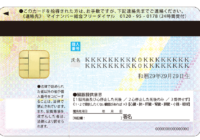
Moving to Japan involves more paperwork than most countries and a tighter sequence of steps than people expect. Here’s the short version: get your COE issued (via your employer or yourself if self-sponsoring), convert it to a visa at the Japanese embassy in your home country, land in Japan and receive your Residence Card at the airport, register your address at city hall within 14 days, enroll in national health insurance, open a bank account, and apply for your My Number card.
Finding housing before you land is possible but requires using foreigner-friendly agencies (Sakura House, Leopalace21, or specialist local agencies). Many people use a monthly furnished apartment as a base for the first 1–2 months while hunting for a longer-term place in person — this genuinely works and is less stressful than trying to commit to a 2-year lease from overseas.
The things nobody warns you about: Japanese apartments are often unfurnished in ways that include no light fixtures and sometimes no stove. Setting up gas requires an in-person technician visit. The post office handles a surprising range of essential life functions. Learning to use the conbini (convenience store) for bill payment, package receipt, and form submission saves enormous time.
The complete step-by-step: How to Move to Japan: A Step-by-Step Guide for Foreigners.
Teaching English: The Most Common Entry Point
For many foreigners, teaching English is how Japan happens. It’s the path with the lowest barrier — a bachelor’s degree in any field is typically sufficient — and it provides both income and the visa sponsorship you need to get here. What it’s not: a guaranteed good experience or a long-term financial solution for everyone.
The JET Programme is the gold standard — government-run, competitive, starts at ¥2,880,000 ($19,300) per year with often subsidised housing, but placement is beyond your control. Private conversation schools (eikaiwa) like AEON or Berlitz pay ¥220,000–¥280,000 ($1,475–$1,875) per month with more urban placements but more corporate rigidity. Dispatch companies that place ALTs in public schools fall in between — less security, lower pay, variable experience.
Take-home after health insurance, pension, and tax is typically ¥170,000–¥210,000 ($1,140–$1,410) depending on the position. Liveable, especially outside Tokyo, but not comfortable in central Tokyo on a starting teaching salary without careful budgeting. The career ceiling is real for those who stay in English teaching long-term; the smarter play for many is using the 2–3 years to learn Japanese and pivot into industries where bilingual professionals command genuine premiums.
Full breakdown of paths, salaries, and what the work actually involves: Teaching English in Japan: Salaries, Requirements, and What to Expect.
Where to Live: City Matters More Than You Think
Most people default to Tokyo because it’s the name they know. Tokyo is genuinely great. It’s also genuinely expensive, genuinely overwhelming, and genuinely not the only option. Japan has 47 prefectures and numerous major cities, each with different price levels, cultures, and practical realities.
Osaka is where I’d steer most people who have flexibility. Rents are meaningfully lower than Tokyo, the food culture is excellent and affordable, the transport network covers the entire Kansai region, and the city has genuine energy without Tokyo’s exhausting density. Kansai people are also, in my entirely biased opinion, more direct and warmer than the stereotype of reserved Japanese people — we’re not shy about opinions here.
Fukuoka keeps coming up in discussions about affordable Japan living, and the numbers justify it — 1K apartments for ¥45,000–¥65,000 ($300–$435) in decent central areas, good food, growing tech scene, airport 15 minutes from the city centre. Nagoya is quietly practical and underrated. Sapporo is genuinely cheap with extraordinary natural access but winters are a commitment. Smaller cities like Kanazawa, Matsuyama, or Kumamoto drop costs further but limit professional options unless you’re working remotely.
Compare cities with real rent and cost data: Cheapest Places to Live in Japan: Cities That Won’t Drain Your Wallet.
Housing in Japan: What Nobody Explains Well
The Japanese housing market has quirks that genuinely confuse foreign newcomers. Beyond the initial costs I mentioned — security deposit, key money, agency fees — the apartments themselves are often categorised in ways that don’t translate directly. 1R (one room with kitchen in the same space), 1K (one room, separate kitchen), 1DK (one room, dining-kitchen), 1LDK (bedroom, living room, dining, kitchen). Sizes are measured in tatami units (畳, jo) and square meters — a 20㎡ apartment is genuinely small; 35㎡ is workable for one person; 50㎡ is comfortable.
Landlord discrimination against foreigners is real. Not universal — it’s improving and there are plenty of landlords who have no objection — but common enough that you need to use agencies experienced in working with foreign tenants, especially for your first apartment. The guarantor company system (paying a fee instead of having a Japanese personal guarantor) is now standard and makes the practical process easier than it was a decade ago.
Tokyo’s 23 wards vary enormously. Shinjuku and Shibuya are expensive and touristy. Shimokitazawa has character but costs accordingly. For value with genuine livability, look at Koenji, Sangenjaya, Yoyogi-Uehara, or areas along the Seibu-Ikebukuro or Odakyu lines where you can trade 20 minutes of commute for ¥20,000–¥30,000 ($134–$200) in monthly rent savings. In Osaka, Tanimachi, Kyobashi, and areas along the Sakaisuji line are worth looking at before defaulting to Namba.
Healthcare and Daily Life Systems
Japan’s universal health system covers all residents, including foreigners with residency. You pay premiums based on your income and cover 30% of most costs at the point of care. For most routine needs — GP visits, prescriptions, dental — this is remarkably affordable. Complex or long-term care still involves out-of-pocket costs but is capped under the high-cost medical expense system (高額療養費, kougatsu ryouyouhi), which limits monthly out-of-pocket to roughly ¥80,000–¥150,000 ($535–$1,005) depending on income.
Enrolling is mandatory and done at city hall on the same day as address registration. Don’t skip it for budget reasons — back premiums plus penalties are significant, and you need health insurance for the bank account setup that follows.
Banking: Japan Post Bank is the easiest for new arrivals (accepts foreigners immediately with residence card). Larger banks may require 6 months’ residency. A physical bank account is essential — most rent and utility payments in Japan require bank transfer (振込, furikomi) or automatic debit, not card payments.
Tax: salaried employees have withholding handled by employers. If you have side income above ¥200,000 ($1,340) per year, you need to file a tax return (確定申告) in February–March for the prior year. The tax office has English assistance at major locations, and the online e-Tax system now has English support. Don’t ignore this — Japan takes tax compliance seriously and the retroactive penalties are not pleasant.
Language: How Important Is It Really
I’m going to be honest here: it matters more than most articles say, and less than the most anxious takes suggest. You can live in major Japanese cities without Japanese. Many people do, for years. But you’ll hit glass ceilings everywhere — career, housing, social integration, emergency situations — that Japanese ability removes.
JLPT N5/N4 (beginner-intermediate) is achievable in 6–12 months of dedicated study and dramatically changes daily logistics. You can handle your own city hall visits, read your utility bills, manage doctor’s appointments, have basic conversations with neighbours. N3 (upper-intermediate) opens most public-facing jobs and makes you a legitimate professional candidate in bilingual roles. N2 is business-functional and what serious employers mean when they say “Japanese ability preferred.” N1 is native-adjacent and opens most doors.
Apps like Anki, Wanikani (for kanji specifically), and textbooks like Genki I/II are the standard study toolkit. Formal language schools (語学学校) in Japan are an option, typically costing ¥700,000–¥1,500,000 ($4,700–$10,050) per year — expensive but effective if you need structure and the student visa they provide. For most working adults, self-study supplemented by conversation practice is more cost-effective.
Culture, Integration, and the Long Game
Japan is not hostile to foreigners. It’s also not effortlessly welcoming. The country operates on levels of assumed context — shared understanding of how things work, unspoken norms, group cohesion dynamics — that take real time to read. You’ll make mistakes. Everyone does. The key is showing willingness to learn rather than dismissing the confusion as “Japan being weird.”
The most integrated foreign residents I know in Osaka all share one thing: they invested in relationships, not just experiences. Joining a local sports club, volunteer group, neighbourhood activity, or workplace drinking culture (nomikai — optional but relationship-building) matters. Japan is a country where long-term relationships are deeply valued and transactional interactions are kept shallow. If you stay at the surface, you’ll stay at the surface of Japan.
Permanent Residency is available after 10 years of continuous residence (5 years for HSP visa holders, 3 years for the 80+ point HSP category). The PR application process has strict requirements — continuous residency, consistent tax payments, pension contributions, and no violations. Meeting these requirements consistently from day one is much easier than trying to patch gaps later.
Naturalisation — becoming a Japanese citizen — is possible after 5 years of continuous residence (3 if married to a Japanese national) and requires renouncing other citizenships. Japan does not allow dual nationality, which is a genuine consideration for people with strong ties to their home country.
Start Here
If you’re in the early stages of thinking about this, the most useful immediate steps: figure out your visa path (full visa guide here), calculate what your life would actually cost (cost of living breakdown), decide which city actually makes sense for your situation (cheapest cities guide), and if teaching English is your entry point, read the unfiltered reality (teaching English guide). When you’re ready to actually make the move, the logistics guide (how to move to Japan) walks through every step.
Japan is genuinely worth the effort. Most people who make it here and give it real time — not three months of Instagram content, but actual years — don’t want to leave. I certainly don’t. But come prepared. Come with curiosity. And come with enough savings to cover the first three months without stress, because the initial bureaucracy will consume more time and energy than you expect, and you’ll want to be exploring, not panicking.
Average Salary in Japan
Japan’s national average salary sits around 4.37 million yen per year as of 2026 — but that headline figure hides significant variation by city, industry, and career stage. Tokyo workers earn 10-20% more than Osaka; rural areas can be 30-40% below the capital. Bonus culture (the twice-yearly bonansu) can add the equivalent of 2-3 months’ pay annually, but it’s not guaranteed. And unpaid overtime remains a reality at many traditional companies, quietly eroding your effective hourly rate.
If you’re negotiating your first Japanese salary or benchmarking what you currently earn, the full average salary in Japan breakdown covers every major industry — from tech and finance to hospitality and English teaching — with actual yen figures and an honest explanation of why take-home pay often feels lower than expected.
Supermarkets in Japan
Grocery shopping in Japan is straightforward once you know the landscape. Gyomu Super is the budget champion — bulk sizes and imported goods at prices that genuinely change your monthly food spend. Aeon is the safe, mid-range default found everywhere. Life is the Kansai staple with excellent prepared foods. The evening markdown system (discounts on prepared foods from 7-8pm) is something every resident should know about and exploit regularly.
Navigating labels without Japanese, understanding weight-based pricing, and knowing the difference between a best-before date and a use-by date are the practical literacy you need. The guide to supermarkets in Japan covers all of it — including the unspoken checkout etiquette that first-timers always get wrong.
Japan National Health Insurance
Every legal resident in Japan is required to have health insurance. If your employer doesn’t provide shakai hoken (company insurance), you enroll in the National Health Insurance system (NHI) at your city hall. It covers 70% of approved medical costs — you pay the 30% copay at the clinic. Most standard visits cost 500-3,000 yen out of pocket. Premiums are income-based and calculated from your previous year’s earnings, which means your first year in Japan is typically cheap, and year two is where costs rise.
Late enrollment penalties are real and retroactive. Dental and mental health coverage have notable gaps. The Japan national health insurance guide explains the enrollment process, how premiums are calculated, how to actually use the system at a clinic when your Japanese is limited, and what to do when you leave the country.
Taxes in Japan for Foreigners
Japan taxes income at progressive rates from 5% to 45%, plus a flat 10% residence tax on top. Salaried workers typically don’t file a tax return — their employer handles annual reconciliation. But freelancers, people with multiple income sources, and those claiming medical deductions need to file their own kakutei shinkoku each spring.
The residence tax is the one that reliably surprises people. It’s assessed on your previous year’s income and billed in June of the following year — meaning your first year in Japan has zero residence tax, and year two arrives with a bill that many people weren’t budgeting for. The taxes in Japan for foreigners guide explains the brackets, employer withholding, tax treaties with the US, UK, and Australia, and how to handle your tax situation when leaving.
Convenience Stores in Japan
Japan’s convenience stores (konbini) are not what you think convenience stores are. 7-Eleven, FamilyMart, and Lawson are open 24 hours, serve genuinely good food, and function as miniature service centers: ATMs that accept foreign cards, bill payment for utilities and taxes, parcel pickup and drop-off, printing and scanning, ticket purchase, IC card top-up, and more. The ATM situation matters especially for new arrivals — Seven Bank ATMs at 7-Eleven are your most reliable option for withdrawing cash with a foreign card before you have a Japanese account.
They’re also 15-25% more expensive than supermarkets for equivalent items. Use them for convenience and speed, not as your primary grocery source. The complete guide to convenience stores in Japan breaks down the differences between chains, the full range of services available, and the etiquette rules that nobody publishes but everyone expects you to know.
Japan Work Culture
Working at a Japanese company is a specific cultural experience with norms that don’t map onto Western workplaces. Seniority-based advancement means your tenure matters as much as your performance. Meetings are for confirmation, not deliberation — decisions happen through sideline consensus-building beforehand. After-work nomikai drinking events are social currency, and declining every single one sends a message regardless of your reasons.
The hours reality is also specific: contracted hours and actual hours are often different, and unpaid overtime (service overtime) persists at many traditional firms despite legal reforms. Foreign-affiliated companies operate quite differently. For anyone trying to figure out how to function effectively in a Japanese workplace — or choosing between domestic and international employers — the Japan work culture guide covers the practical reality without the usual sanitized spin.
Permanent Residency in Japan
Permanent residency (PR) is the goal for most foreigners who plan to stay in Japan long-term. The standard route requires 10 years of continuous residence. The highly skilled professional visa fast-track cuts this to 1-3 years if you qualify on the points system — which many people in tech, finance, or with advanced degrees can achieve with the right job and salary combination.
The requirements go beyond just time: consistent tax payments, pension contributions, no violations, and a guarantor who is a Japanese national or PR holder. Gaps in pension payments from your early years are a common problem that’s worth fixing before you apply. The permanent residency Japan guide lists every required document, explains what the points system actually scores you on, and sets realistic expectations for what PR does and doesn’t give you.
Getting Around Japan: IC Cards and Public Transport
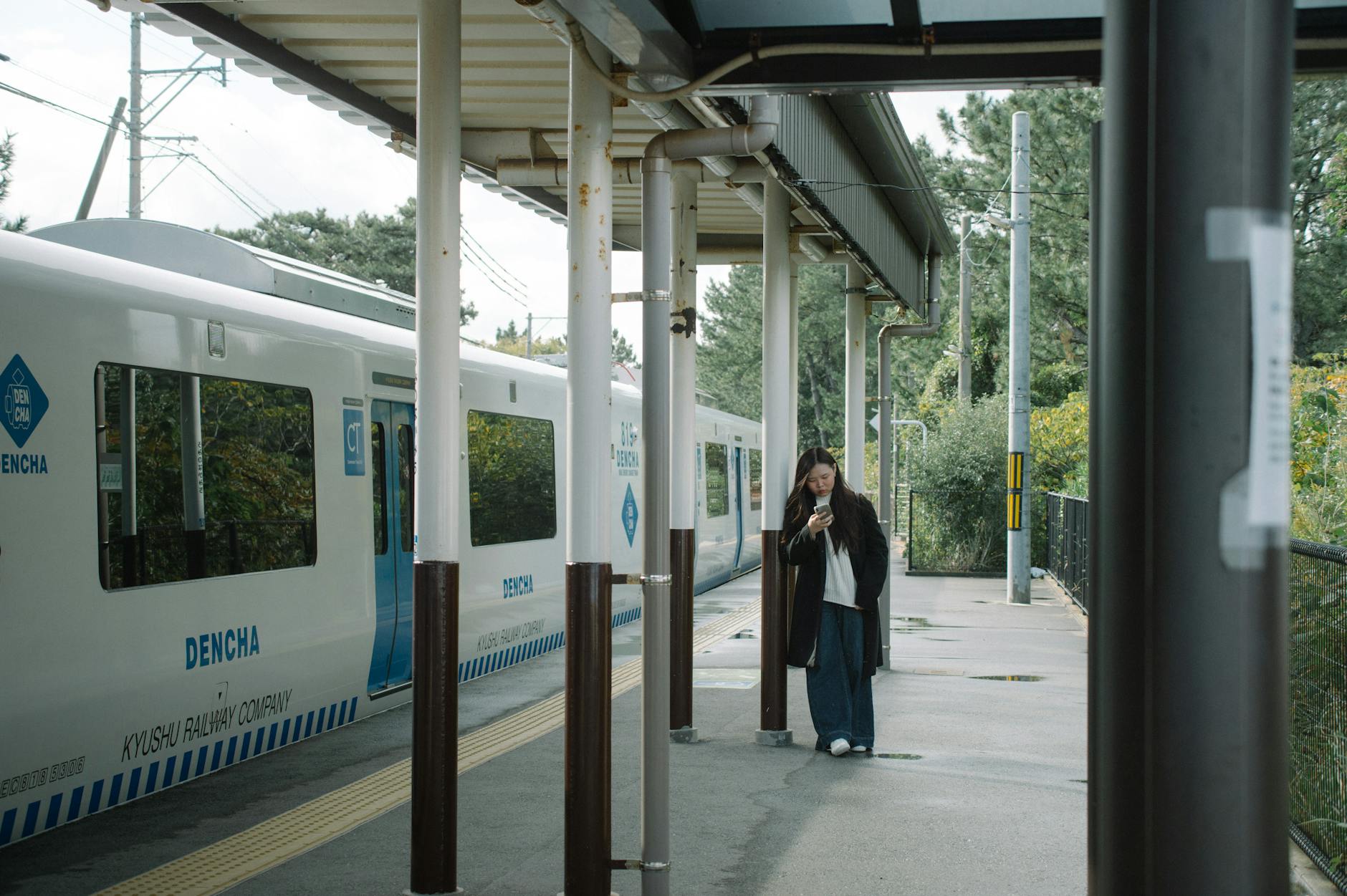
Japan’s public transport system is one of the best in the world — and once you understand it, genuinely easy to use. The IC card (Suica, ICOCA, Pasmo, or regional equivalents) is your single tool for trains, buses, taxis, and convenience store purchases. All major IC cards now work nationwide regardless of which region issued them. Top up at any station machine or link your card to Apple Pay or Google Pay for automatic loading.
The main confusion point for newcomers is the JR versus private line system — these are separate operators running parallel networks, with private lines often cheaper for the same journey. Google Maps handles Japan transit well, including exact IC card fares and platform numbers. The guide to getting around Japan explains IC cards, shinkansen basics, last train culture, rush hour survival, and everything you need to move confidently through the country.
Internet and SIM Cards in Japan
Getting connected in Japan takes a couple of weeks to sort properly. As a new resident, you need your address registered and your residence card in hand before signing up for a resident SIM — tourist SIMs are a bridge, not a solution. For mobile, Rakuten Mobile offers the best value in major cities. For rural coverage, the extra cost of Docomo or au is worth it. MVNOs like IIJmio and Mineo offer solid middle-ground options at lower prices than the major carriers.
Home internet in Japan is fast and reasonably priced once installed — fiber delivering 500Mbps-1Gbps for 4,000-6,000 yen monthly is standard. The catch is installation lead times: NURO Hikari can take 1-2 months to install. A pocket wifi router or WiMAX home unit fills the gap. The internet and SIM cards in Japan guide covers every option with realistic pricing, what documents you need to sign up, and how to stay connected through the transition period.
Culture Shock in Japan
Japan culture shock is real, even for people who researched extensively before arriving. The honeymoon phase — weeks 1-8 when everything is novel and extraordinary — ends. What replaces it varies by person, but common experiences include the cognitive exhaustion of not being able to read your environment, the social isolation of a culture with very different frameworks for public interaction, the frustration of indirect communication that’s hard to read, and the peculiar loneliness of living somewhere safe and functional where deep social connection is genuinely hard to build.
The foreigner box — being treated as a permanent guest regardless of how long you’ve lived here or how well you speak Japanese — is something most long-term residents encounter. So is the moment, usually around year 1-2, when the friction reduces and Japan starts to feel like home rather than an obstacle course. The culture shock in Japan guide documents the actual arc honestly — not to discourage, but to prepare you for what’s coming so it surprises you less.