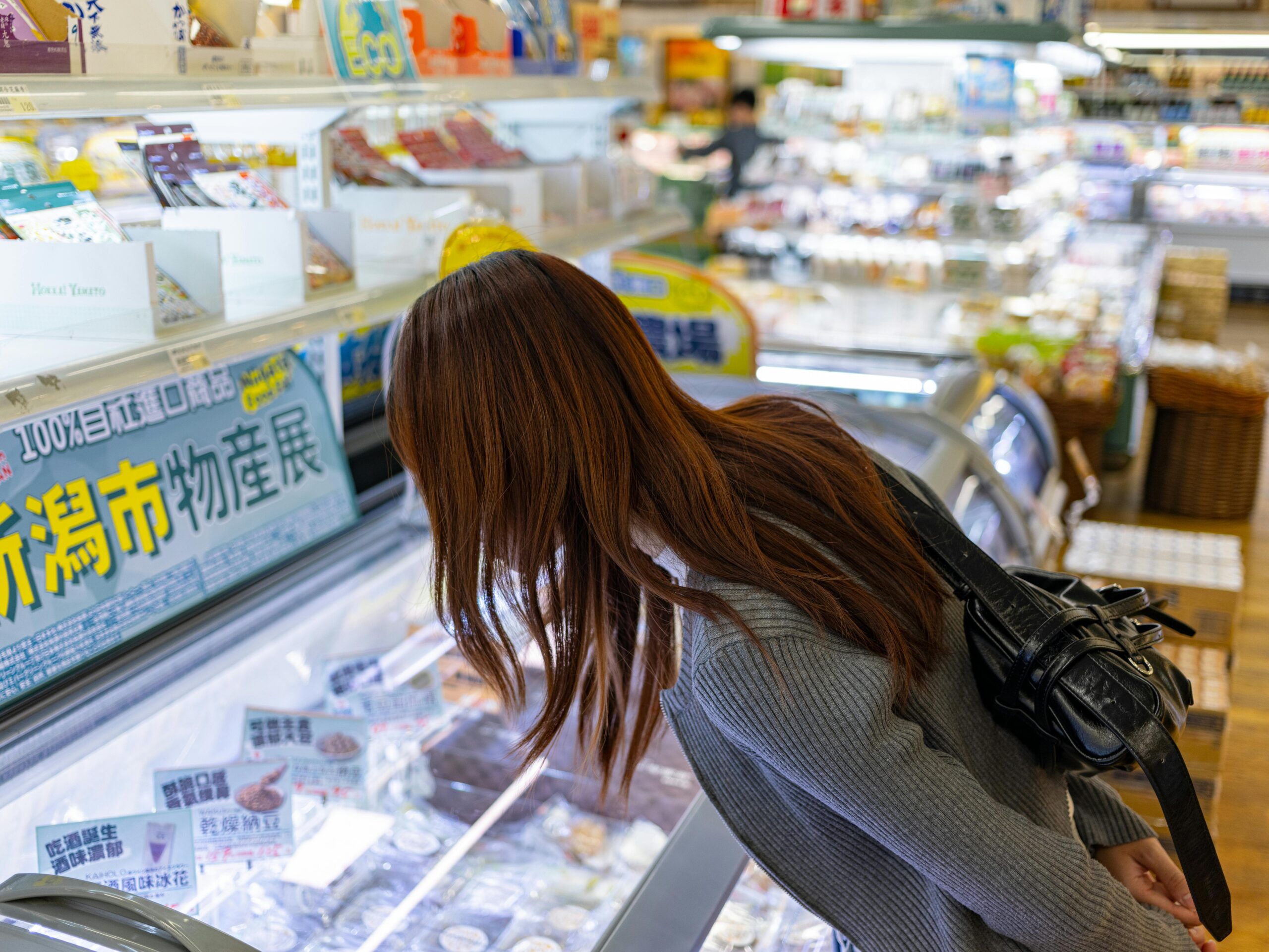
Grocery shopping in Japan is a different experience than most visitors — and new residents — expect. The sheer variety of supermarket chains, the specific markdown timing, the mystery foreign food aisles, the discount gyoza at 8pm — it’s a system worth understanding. Here’s the guide to navigating supermarkets in Japan, whether you’re here for a week or planning to make this country home.
The Main Supermarket Chains in Japan
Japan has a layered supermarket ecosystem. Understanding which chain to use for what can save you money and frustration.
Aeon (イオン)
The largest supermarket group in Japan, operating multiple formats under the Aeon umbrella. You’ll encounter it as Aeon (large suburban superstore), Maxvalu (medium-sized neighbourhood store), and Aeon Style (urban format). Wide product range, reliable quality, loyalty card worth getting. Prices are mid-range — not the cheapest, but competitive on weekly specials. Often located in large malls, making it a one-stop shopping option. Aeon card gives 5% off on the 20th of every month — mark your calendar.
Life Supermarket (ライフ)
Popular in the Kansai region (Osaka, Kyoto, Kobe) and increasingly in Tokyo. Known for good quality fresh produce and meat at reasonable prices. Their in-store bakery sections are consistently good. The Life Card loyalty scheme gives points redeemable against groceries — worth signing up if you shop here regularly.
Ito-Yokado (イトーヨーカドー)
A large-format department-style superstore common in Kanto (Tokyo area). Similar positioning to Aeon — good selection, mid-range pricing. Often has significant non-food sections alongside groceries. Operated by Seven & i Holdings (same company as 7-Eleven convenience stores).
OK Store (オーケー)
The discount supermarket of the Tokyo area. Consistently lower prices than Aeon or Ito-Yokado, no-frills presentation, high turnover meaning fresh produce. If you’re in Tokyo and budget matters, OK Store is worth finding. Cash is preferred (some locations charge a small surcharge for credit cards) and the loyalty system is basic — but the price difference makes it worth it for regular grocery runs.
Gyomu Super (業務スーパー) — Business Supermarket
Originally a wholesale/catering supplier, Gyomu Super opened to the public and became a cult favourite among budget-conscious residents and foreign nationals alike. The pricing is extremely competitive — large quantities, bulk packs, and imported products at prices significantly below regular supermarkets. Their frozen section is legendary. Gyomu Super now has over 900 locations nationwide. Worth making a dedicated trip for pantry staples: sauces, canned goods, frozen meats, large packs of rice. Not great for fresh produce, but exceptional value on everything else.
Seiyu (西友)
Long operating as the budget-friendly option in suburban areas, Seiyu is majority-owned by Walmart. Prices are among the lowest for a full-service supermarket. Quality is consistent and the range is broad. Seiyu’s own brand products offer particularly good value.
Tokyu Store and Tokyu Food Show
Premium format associated with Tokyu department stores, particularly in Tokyo. Higher prices but exceptional quality and range — particularly strong on imported goods, premium meats, and prepared foods. Worth visiting if you want a wide selection of international products or higher-quality ready meals.
Yaoko (ヤオコー)
Popular in Saitama and surrounding prefectures. Known for excellent prepared food sections (the sōzai — ready-to-eat dishes) and competitive pricing. Less well-known than Aeon but consistently rated highly by local shoppers.
Regional Chains Worth Knowing
Japan’s supermarket landscape is regional — chains that dominate one area may be entirely absent in another:
- Nishimatsuya / Fuji Super (西東京): Western Tokyo suburbs
- Hankyu Oasis (阪急オアシス): Kansai region, mid-premium quality
- Tamade (タマデ): Osaka’s legendary discount chain — cheap, chaotic, beloved. Not fancy. Very cheap. Open late.
- Koyo (光洋): Kansai budget chain, strong on fresh produce pricing
- Arupaku (アルパック): Kyushu and western Japan
- Coop (コープ): Consumer cooperative format, operates across Japan. Quality is good; membership required but easy to join. Their home delivery service (Coop Delivery) is popular with families.
- MaxValu Hokkaido: Dominant in Hokkaido, part of Aeon group
Price Comparison: What Things Actually Cost
To calibrate your expectations:
| Item | Budget (Gyomu/OK) | Mid (Aeon/Life) | Premium (Tokyu) |
|---|---|---|---|
| Rice (5kg) | ¥1,500–1,800 | ¥2,000–2,400 | ¥2,800–3,500 |
| Eggs (10 pack) | ¥168–220 | ¥220–280 | ¥320–450 |
| Chicken breast (100g) | ¥68–88 | ¥88–120 | ¥150–200 |
| Milk (1L) | ¥168–198 | ¥200–240 | ¥250–320 |
| Tofu (1 block) | ¥35–60 | ¥60–98 | ¥100–180 |
| Instant ramen (5 pack) | ¥200–300 | ¥280–400 | ¥400–600 |
| Miso (750g) | ¥200–280 | ¥280–400 | ¥450–700 |
Japan’s basic grocery prices are generally lower than Western Europe but comparable to or slightly above the US depending on the item. Meat (particularly beef and pork) and fresh fish can seem expensive — but prepared food from the deli counter is often astonishing value.
The Markdown System: When to Shop for Discounts
This is something most visitors and new residents learn the hard way — and then swear by. Japanese supermarkets apply time-based discounts (waribiki) on fresh and prepared foods as the close of business approaches:
- Deli / prepared foods (sōzai): 20–30% off stickers appear around 5–6pm; 50% off often from 7–8pm onward
- Bento boxes and onigiri: Similar timing — half-price bento at 8–9pm is a rite of passage for budget-conscious Japan residents
- Fresh meat and fish: Often marked down 10–30% in the hour before closing
- Bread / baked goods: Afternoon or closing-time discounts at many chains
Closing times vary: most supermarkets close 9–11pm. Some 24-hour formats exist. If you’re cooking on a budget, shopping after 8pm is one of the most effective strategies in Japan. The yellow and orange discount stickers become visible from the front of the store — it becomes a habit to check.
Finding International / Foreign Foods
Japan’s grocery landscape for foreign nationals has improved dramatically over the past decade. Where to find what:
International Products at Regular Supermarkets
Most medium-to-large supermarkets now stock a basic international section with pasta, olive oil, some cheese, imported snacks, and occasionally Southeast Asian ingredients. Quality varies. Gyomu Super has an excellent imported section at extremely competitive prices — particularly for European and East Asian products.
Import Specialist Stores
- Kaldi Coffee Farm (カルディ): The most widely available import specialty store in Japan. Excellent for international coffee, sauces, cheese, European chocolates and snacks, Middle Eastern spices, Mexican staples. Found in most shopping malls and commercial districts nationwide.
- Jupiter (ジュピター): Similar to Kaldi, stronger on wine and alcohol, good for Western food staples.
- National Azabu (Hiroo, Tokyo): High-end import supermarket catering to the Tokyo expat community. Wide range, correspondingly high prices.
- Seijo Ishii: Premium domestic chain with a very strong imported goods section. Great for specialty cheeses, imported charcuterie, international sauces. Not cheap but excellent quality and range.
Ethnic Grocery Stores
Larger cities have dedicated Indian, Korean, Southeast Asian, and Middle Eastern grocery stores concentrated in specific neighbourhoods. In Tokyo: Shin-Okubo (Korean), Ueno/Akihabara area (various Asian). In Osaka: Tsuruhashi market area (Korean), Nipponbashi (Asian variety). For specific ingredients from your home country, a quick search in Japanese (your country + 食材 + city name) will often surface dedicated stores.
Online Grocery Options
Japan’s online grocery market has grown significantly:
- Amazon Fresh Japan: Available in major metropolitan areas. Good for imported and specialty products alongside regular grocery staples. Prime membership required.
- Aeon Online: Aeon’s delivery service, covering most of Japan. Reliable for everyday staples.
- Oisix: Premium organic and food safety-focused delivery service. Popular with health-conscious Japanese families. Pricing is higher but quality is excellent.
- Coop Delivery: Consumer co-op home delivery — weekly order windows, good value, particularly strong for families.
- Costco Delivery: If you don’t live near a Costco (locations in suburban areas of major cities), several services offer Costco delivery — valuable for large quantities of imported goods, cheese, and proteins.
Practical Tips for Shopping in Japan
Loyalty Cards
Most supermarket chains have loyalty point cards. These accumulate into actual discounts — worth getting for your regular shop. T-Point, Waon, Nanaco, and Rakuten points are broadly accepted and can be accumulated across multiple retailers. Ask at the register when checking out.
Bring Your Own Bags
Japan introduced a mandatory plastic bag charge in 2020. You’ll pay ¥2–5 per bag at checkout. Bringing reusable bags is both expected and cheaper. Most supermarkets sell their own branded bags at the checkout.
Separating Garbage
Japan’s famously strict garbage sorting system starts at the supermarket: packaging is categorised as burnable, non-burnable, plastic, cans, bottles, or cardboard. If you’re new to Japan, your local ward office provides a garbage sorting guide — pick it up. Supermarkets have recycling stations at entrances for bottles, cans, and cardboard.
Self-Checkout
Now standard at most major chains. Some use fully automated systems where you scan items yourself; others use a hybrid where a cashier scans and you pay via machine. Machines accommodate cash, IC cards (Suica, Pasmo, Icoca), and increasingly credit cards. Having your IC card charged and ready makes checkout fast.
Cheap Protein Sources
Japan’s cheapest proteins: tofu (¥35–60/block), eggs (¥20/each on average), canned fish (sardines, mackerel: ¥80–120), chicken thighs, and natto (fermented soybeans: ¥30–50 for a three-pack). These staples make eating well on a tight budget entirely achievable.
The 100-Yen Stores and Convenience Stores
Worth knowing: Japan’s 100-yen stores (Daiso, Seria, Can Do) often stock basic dry goods, spices, and small food items at ¥110 (including tax). For non-perishables, they can be cheaper than a supermarket for some items. And the convenience stores (7-Eleven, Lawson, FamilyMart) are an entire food ecosystem unto themselves — fresh onigiri, hot foods, quality bento, and desserts that often rival café quality. For a full breakdown of what convenience stores in Japan actually offer, the convenience stores in Japan guide is worth reading.
Grocery Shopping as Part of Japan Life
Regular grocery shopping in Japan quickly becomes one of those quietly enjoyable daily rhythms — the seasonal produce displays that change monthly, the way supermarket bakery sections fill the air at 4pm, the late-night discount hunter’s satisfaction of landing a ¥250 bento at half price. It’s a system that rewards exploration and attention.
For more on making Japan life work financially, the cost of living in Japan guide has full monthly budget breakdowns. And if you’re still in the planning stage, the living in Japan as a foreigner hub covers everything from visas to banking to finding an apartment.