The sakura season lasts about a week in most places. The bloom peaks, plateaus for a few days if the weather is calm, and then — with one good rain or a warm wind — it’s over. This briefness is the entire point.
Hanami (花見, “flower viewing”) isn’t just admiring cherry blossoms. It’s a specific cultural practice built around the acknowledgment that beauty is transient and should be witnessed deliberately. Japan has been doing this since at least the 8th century. The scale of national attention it receives every spring — the forecast tracking, the advance spot-reservation, the nationwide media coverage of bloom progress — makes more sense when you understand the philosophy behind it.
This guide covers everything you need to plan a hanami: when to go, where to go, how to find the best spots, and what actually happens at one.
What Hanami Actually Is
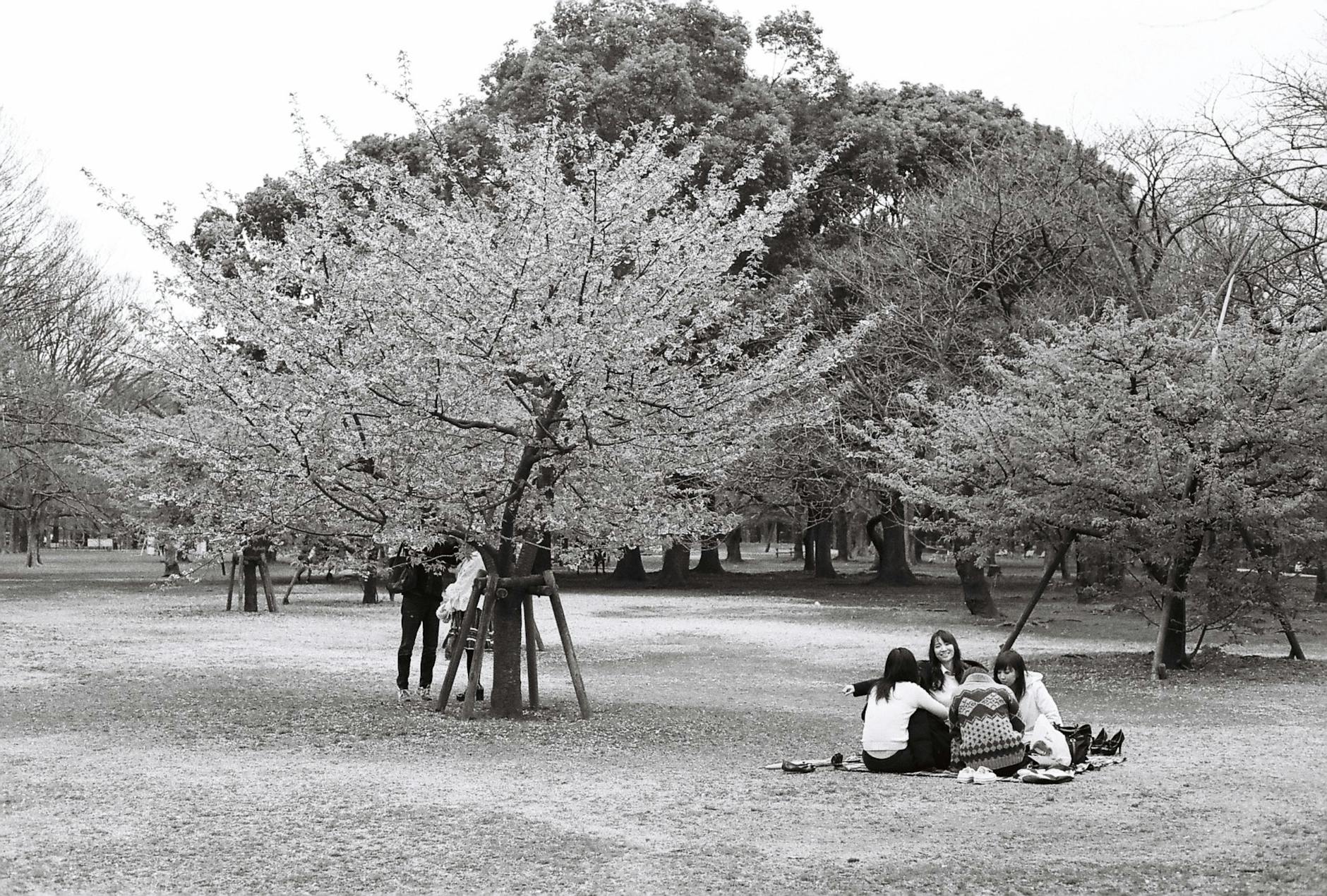
The core practice: a group spreads a tarp or blanket under cherry blossom trees, shares food and drink, and spends several hours enjoying the atmosphere. That’s it. There’s no formal structure, no ceremony, no requirement beyond being present under the trees.
But the context matters. Hanami draws on mono no aware — the bittersweet awareness of impermanence that runs through Japanese aesthetics. The sakura is explicitly chosen for this tradition because it blooms brilliantly and falls quickly. The falling petals are as celebrated as the peak bloom. There is nothing accidental about the fact that Japan has built its most beloved seasonal ritual around the most short-lived flower.
Modern hanami adds more practical elements: food, alcohol, music, conversation. Office hanami (where colleagues gather under the trees after work) are social institutions. Family hanami with young children are common. Some people sit quietly alone. All of these are equally valid.
Cherry Blossom Timing: How to Get It Right
This is the hardest part to plan because sakura timing varies by year and location. A cold spring delays bloom; a warm February accelerates it. The general progression moves from south to north:
| Region | Typical Peak Bloom |
|---|---|
| Okinawa | Late January–Early February |
| Kyushu (Fukuoka, Nagasaki) | Late March–Early April |
| Western Honshu (Hiroshima, Osaka, Kyoto) | Late March–Early April |
| Tokyo / Yokohama | Late March–Early April |
| Tohoku (Sendai, Hirosaki) | Late April–Early May |
| Hokkaido (Sapporo) | Late April–Early May |
In a typical year, Kyoto, Osaka, and Tokyo all bloom within a few days of each other in late March to early April. The variance year-to-year can be two to three weeks. If you’re booking travel specifically for hanami, don’t book too far ahead without checking current forecasts.
The Japan Meteorological Corporation and the Weather Service publish updated sakura forecasts from January each year. The JNTO cherry blossom forecast is reliable and updated regularly through the season.
Stages to Know
- Kaika (開花) — First flowers open on the “standard tree” used for official tracking. Not yet spectacular.
- Mankai (満開) — Full bloom. Peak period. Usually lasts 4–7 days under good weather conditions.
- Hanafubuki (花吹雪) — “Flower blizzard” — petals falling in the wind. This is also celebrated, often considered the most poetic stage.
- Ha-zakura (葉桜) — Leaves emerging, petals mostly gone. The season is over.
Hanami and the Cherry Blossom Guide
For the full planning resource on cherry blossom season — including detailed timing, the best viewing apps, and regional differences — see our cherry blossom Japan guide.
For the best time to visit Japan more broadly (cherry blossom season is just one of the factors), see the best time to visit Japan guide.
And for the cultural context around hanami and Japan’s other seasonal traditions, the Japanese culture and traditions guide covers the philosophy of seasonality in detail.
Externally, the Wikipedia article on hanami has good historical context on the tradition’s origins and development across Japanese history.
Best Hanami Locations in Japan
Maruyama Park — Kyoto
Kyoto’s most famous hanami spot. A large weeping cherry tree at the park’s center — lit at night — is iconic. The park fills completely during peak bloom; many people reserve spots from early morning. Surrounded by excellent food and drink options. The nighttime hanami (yozakura) here, with lanterns lit under the blossoms, is one of Japan’s most beautiful seasonal scenes.
Philosopher’s Path (Tetsugaku no Michi) — Kyoto
A canal-side walkway lined with approximately 450 cherry trees, running about 2km through the northeastern Higashiyama district. Less crowded than Maruyama, more contemplative. The combination of the water reflection, the falling petals, and the wooden houses alongside makes it extraordinary. Best in the morning before the crowds build.
Ueno Park — Tokyo
The most famous hanami location in Tokyo — and the most chaotic. Over 1,000 cherry trees, massive crowds, extensive food stalls. The atmosphere is festive and loud, which is its own pleasure. Arrive early for spot reservation (some groups arrive before dawn). Not the place for quiet contemplation, but spectacular as a social event.
Chidorigafuchi — Tokyo
A moat on the northwest side of the Imperial Palace, with a boat rental available during sakura season. Rowing a small boat under overhanging cherry blossom branches is genuinely extraordinary. Queue for boats forms early; the walk along the moat edge is worthwhile even without a boat.
Hirosaki Castle — Aomori
Japan’s most highly regarded hanami location by many who’ve experienced multiple spots. Over 2,600 trees surround a castle — multiple moats filled with reflected blossoms, pink petals covering the water’s surface when they fall. Blooms later than most of Japan (late April to early May), which means it’s possible to time a trip here after Tokyo’s season has ended. Often cited as the best hanami in the country.
Yoshino Mountain — Nara Prefecture
The most sacred hanami location in Japan — over 30,000 cherry trees covering the mountain, planted by Buddhist monks over centuries for offering to the deity En no Gyoja. Different varieties bloom at different altitudes, extending the season. The experience of climbing through layers of blossoms on a mountain with 1,300 years of flower-viewing history is incomparable.
Kenroku-en — Kanazawa
One of Japan’s three great gardens (alongside Koraku-en in Okayama and Kairaku-en in Mito). Over 200 cherry trees in a landscape garden designed for beauty in all seasons. Less crowded than the major Tokyo and Kyoto spots. The surrounding Higashi Chaya district adds context.
How to Do Hanami: Practical Details
Spot Reservation
At popular parks, groups reserve spots by laying down blue tarps (sometimes weighted with bags) from early morning — occasionally the night before. This is a recognized social practice, not antisocial behavior. The unspoken rule is that you actually show up and use the spot you’ve reserved.
Junior staff at Japanese companies often draw the assignment of reserving the spot — arriving early in the morning before the rest of the group arrives for the evening hanami. It’s a rite of passage.
What to Bring
- A tarp or picnic sheet — thin, with corner loops for staking
- Food and drinks — konbini onigiri, sandwiches, karaage, convenience store beer are all standard. Many parks have food stalls during sakura season.
- Garbage bags — take everything out with you. Japanese parks have almost no bins during festivals (because they’d overflow). Bring bags.
- Warm layers — cherry blossom season in most of Japan means cold evenings even when afternoons are warm. Bring more than you think you need.
- A seat cushion — three hours on a tarp is noticeable
Alcohol
Beer, sake, and chu-hai are standard hanami drinks. Most parks permit public drinking during sakura season; a few have begun restricting it in response to overtourism concerns (Ueno Park has had partial restrictions). Check current rules for your specific park before going.
Yozakura — Nighttime Hanami
Many major hanami spots light the trees at night during sakura season. Yozakura (night cherry viewing) has a different character from daytime hanami — quieter, more contemplative, the blossoms glowing against a dark sky. Maruyama Park in Kyoto, Ueno in Tokyo, and Hirosaki Castle all offer excellent nighttime viewing.