Japan runs on festivals. Not metaphorically — there are an estimated 300,000 matsuri (festivals) held across the country each year, ranging from enormous events that stop entire cities to small neighborhood shrine celebrations that most outsiders never hear about. If you’re in Japan for more than a week, you will almost certainly stumble into one without planning to.
Understanding Japanese festivals means understanding how Japan marks time, honors the sacred, and holds community together. These aren’t tourist events with historical framing — most matsuri are living religious and social practices that have been running for centuries, carried forward by local volunteers, shrine priests, and community associations who genuinely believe in what they’re doing.
This guide covers the major festivals you should know about, organized by season, with practical information on where to go and what to expect.
What Is a Matsuri?
The word matsuri (祭り) derives from the verb matsuru, meaning to honor or enshrine a deity. At its root, a matsuri is a Shinto religious event — an occasion when a community gathers to welcome, honor, and send off kami (spirits or forces) associated with a local shrine. The portable shrine (mikoshi) carried through the streets during many festivals is literally carrying the kami through the community it protects.
Buddhist festivals (like Obon) operate on different principles but have the same quality of communal, repeated practice. And many festivals have become secularized over centuries — still carrying the form without the explicit religious framing.
In practice, matsuri means: crowds, food stalls (yatai), traditional music, dancing, portable shrines, fireworks, and a particular kind of collective energy that doesn’t exist outside of them.
Spring Festivals (March–May)
Hanami Festivals — Nationwide, Late March to Early May
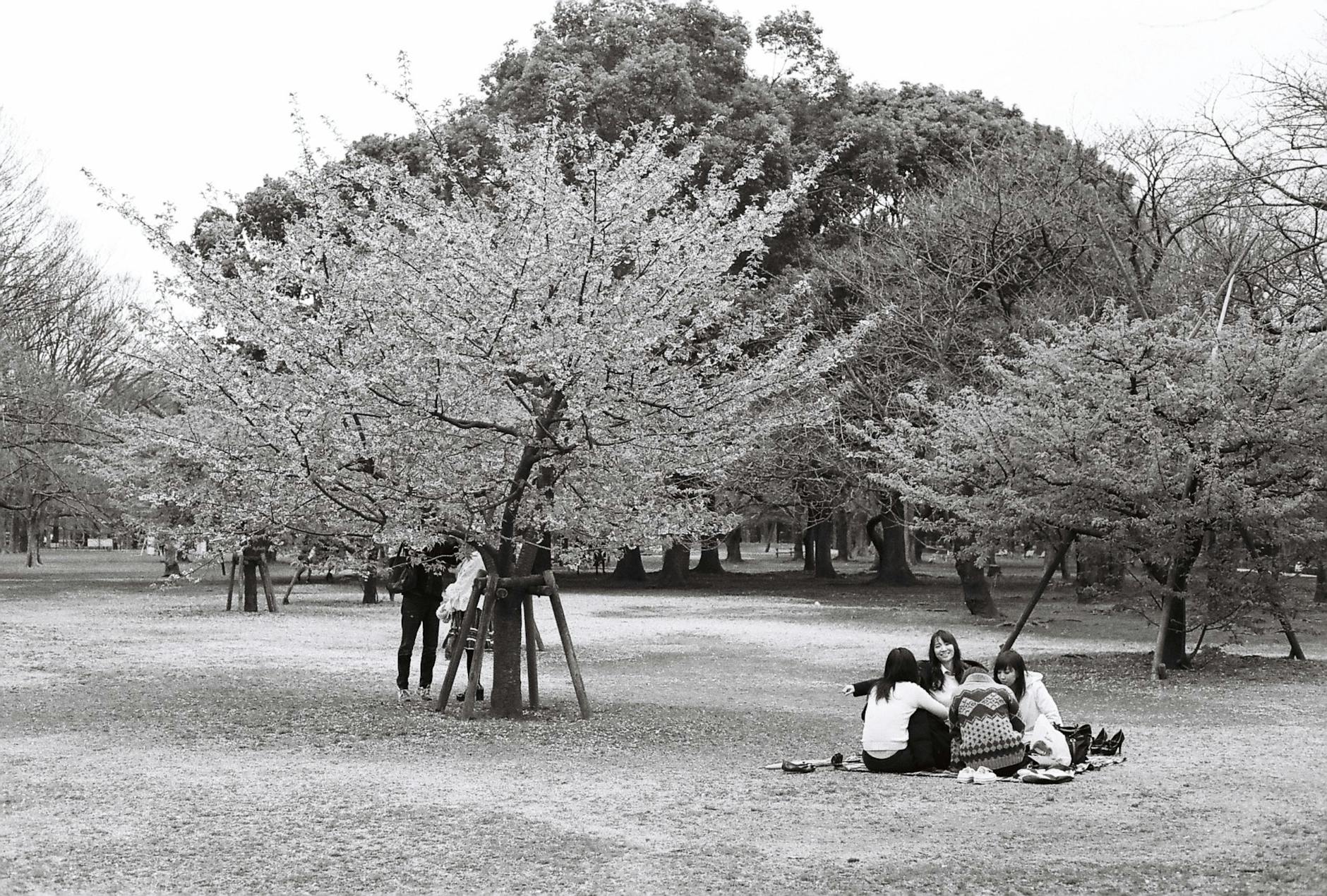
Cherry blossom viewing (hanami) is Japan’s most famous seasonal event — technically not a matsuri, but functioning like one. Parks, castles, and riversides transform into gathering places as the sakura bloom, with groups spreading tarps under the trees, sharing food and drink, and marking the season together. Major hanami locations include Maruyama Park (Kyoto), Ueno Park (Tokyo), Hirosaki Castle (Aomori), and Philosopher’s Path (Kyoto). See the hanami guide for timing and planning details.
Takayama Matsuri — Takayama, Mid-April
Consistently ranked among Japan’s three most beautiful festivals. The spring version (Sanno Matsuri) features enormous, centuries-old floats decorated with intricate carvings and mechanical puppets (karakuri ningyo), paraded through Takayama’s beautifully preserved Edo-period town. The autumn version (Hachiman Matsuri) in October is equally spectacular. Accommodation books out months in advance — plan accordingly.
Hakata Dontaku — Fukuoka, May 3–4
One of Japan’s largest festivals by attendance, drawing over two million visitors over two days. Parades, traditional music, performances across the city center. Fukuoka’s particular brand of festive energy — the city has a reputation for being Japan’s most liveable, and its festivals reflect that.
Sanja Matsuri — Tokyo, Third Weekend of May
Asakusa’s annual festival honoring the three founders of Senso-ji temple. Over 100 mikoshi are carried through the streets in a concentrated burst of energy — one of the most visceral festival experiences available in Tokyo. Approximately 1.8 million visitors attend over the weekend.
Summer Festivals (June–August)
Gion Matsuri — Kyoto, All of July
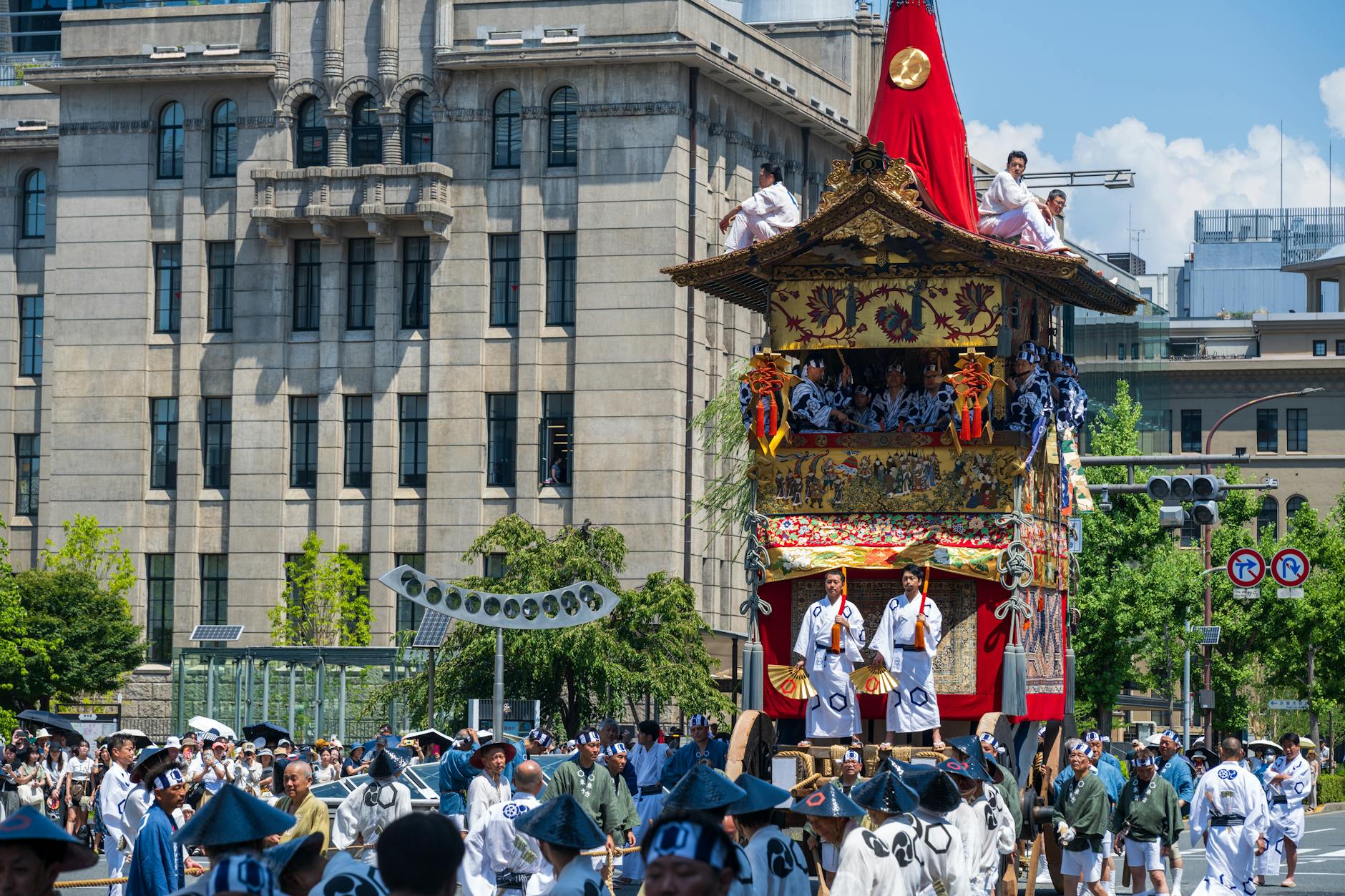
Japan’s most famous festival, held continuously for over 1,100 years. The main event is the Yamaboko Junko parade on July 17th, when enormous wheeled floats (yamaboko) are pulled through Kyoto’s central streets — some reaching 25 meters in height, decorated with ancient Gobelin tapestries and Chinese porcelain. The evenings of July 14–16 (Yoi-yama) are when the festival reaches its most beautiful and accessible form: the floats are lit from inside while musicians play, and the old commercial district fills with people in yukata eating festival food. This is the festival to prioritize if you can only attend one.
Tenjin Matsuri — Osaka, July 24–25
One of Japan’s three great festivals. On the 25th, a massive water procession carries portable shrines along the Okawa River by torchlight, culminating in fireworks. The land procession earlier in the day involves over 3,000 participants in historical costume. The combination of traditional pageantry and the Osaka waterfront makes this one of the most visually spectacular festivals in the country.
Obon — Nationwide, August 13–15
The most culturally significant summer event — a Buddhist festival marking the return of ancestral spirits. Every region has its own version. The Gozan no Okuribi in Kyoto (giant bonfires on five mountains, August 16) is the most famous. Tokushima’s Awa Odori is one of Japan’s great communal dances. See the Obon guide for full regional breakdown.
Awa Odori — Tokushima, August 12–15
Japan’s most energetic dance festival — four days during Obon when Tokushima city fills with organized dance groups (ren) performing the distinctive Awa Odori dance through the streets. The music (shamisen, taiko, fue, kane) is addictive. The saying goes: “The dancing fool and the watching fool are both fools — if you’re going to be a fool, you might as well dance.” Increasingly, visitors are invited to join the parade.
Sumidagawa Fireworks — Tokyo, Last Saturday of July
Tokyo’s oldest and largest fireworks display, held along the Sumida River in Asakusa. Two competing launch sites, approximately 20,000 fireworks over 90 minutes. Immensely crowded — arrive by early afternoon to secure a viewing spot.
Autumn Festivals (September–November)
Jidai Matsuri — Kyoto, October 22
The “Festival of the Ages” — a procession of over 2,000 people in historically accurate costumes representing Kyoto’s 1,200 years as Japan’s capital. Each period of Japanese history from the 8th to the 19th century is represented in sequence. Less raucous than Gion Matsuri, but extraordinary in its historical detail.
Kurama no Hi Matsuri — Kyoto, October 22
On the same night as Jidai Matsuri, this fire festival at Kurama village (north of Kyoto) is one of Japan’s most atmospheric events. Villagers carry large torches through narrow mountain streets after dark. The crowd presses close, the heat is intense, the drumming continuous. Extremely limited viewing space — arrive early.
Takayama Autumn Matsuri — Takayama, October 9–10
See above (spring version). The autumn edition at Hachiman Shrine is considered by many to be the more beautiful of the two, against the backdrop of autumn leaves.
Nagasaki Kunchi — Nagasaki, October 7–9
Suwa Shrine’s annual festival, reflecting Nagasaki’s unique historical mix of Japanese, Chinese, and Dutch influences. Dragon dances, Dutch-style ships, and Chinese lion performances combine in something unlike any other festival in Japan.
Winter Festivals (December–February)
Sapporo Snow Festival — Sapporo, Early February
The largest snow and ice sculpture festival in the world — held at Odori Park, the Self-Defense Force base, and Susukino district simultaneously. Sculptures range from children’s characters to full-scale replicas of world heritage buildings. Temperatures during the event are typically -5°C to -10°C. Dress accordingly.
Nozawa Onsen Fire Festival — Nozawa Onsen, January 15
One of Japan’s most visceral winter festivals. The villagers’ 42-year-old men defend a large wooden shrine from being set alight by 25-year-old men armed with torches. The shrine inevitably burns. The festival has been running for over 500 years. Sparks land on the crowd. It is genuinely dangerous and genuinely extraordinary.
New Year (Oshogatsu) — Nationwide, December 31–January 3
Not a matsuri in the traditional sense but Japan’s most important cultural observance. Shrines across the country receive their largest crowds of the year on January 1st (hatsumode — the first shrine visit of the new year). Meiji Shrine in Tokyo receives around 3 million visitors in the first three days. Naritasan Shinshoji in Chiba and Naritasan Fudoson in Kawasaki also draw massive crowds. The experience is both deeply communal and strangely quiet — queues are orderly, everyone is purposeful.
How to Experience Festivals as a Visitor
Wear Yukata
Summer festivals (especially Obon season) are when yukata — lightweight cotton kimono — are worn by ordinary people, not just performers. Renting or buying a yukata for a summer festival is genuinely appropriate, not touristy. Many ryokan and tourist shops rent them for ¥2,000–¥5,000 including obi (sash) and geta (wooden sandals).
Eat the Food
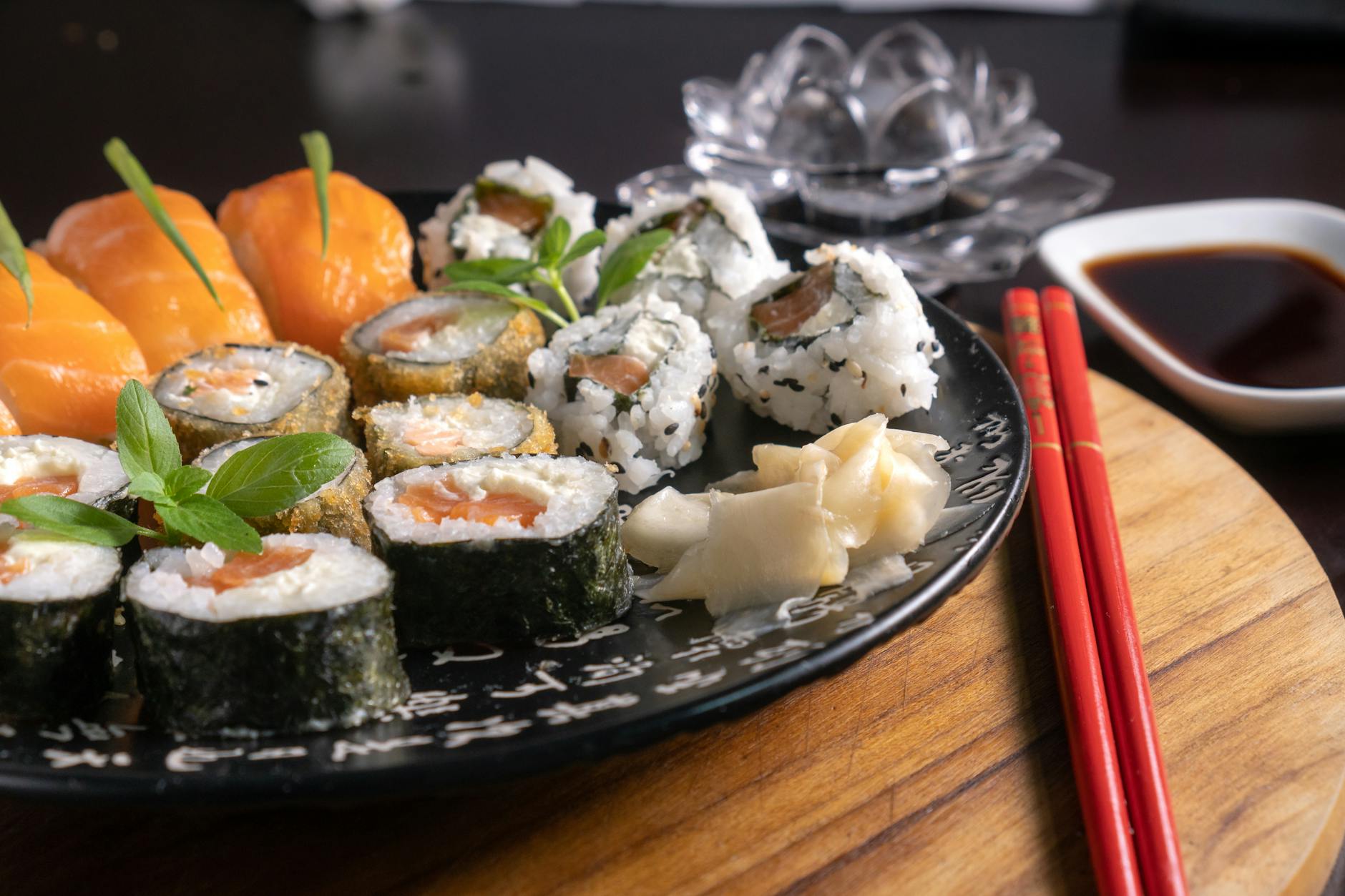
Festival yatai (food stalls) are a cultural institution. Takoyaki (octopus balls), yakitori, karaage, yakisoba, shaved ice (kakigori), taiyaki (fish-shaped pastry with sweet filling) — festival food has its own register. Some items only exist at festivals. Eat them.
Understand the Mikoshi
When a portable shrine (mikoshi) passes, step aside respectfully. The carriers are performing a religious function. The deliberate swaying and chanting is not performative chaos — it’s the method for energizing the kami within. Participants work in rotating shifts and often continue for hours.
Photography
Generally fine at street-level events. Inside shrines or during formal ceremonies, follow signage and ask if uncertain. Flash photography near religious objects is generally unwelcome.
Planning Around Festivals
Japan’s major festivals fall on fixed dates or specific weekends. Some (Gion Matsuri, Sapporo Snow Festival, Takayama Matsuri) require booking accommodation months in advance. The japan.travel official events calendar maintains a current, comprehensive listing. For broader trip planning, see our guide to the best time to visit Japan.
Festivals are Japan at its most itself — unfiltered, communal, seasonal, and alive. Planning your trip around one is almost always the right decision.
For cultural context on the traditions behind these events, see the Japanese culture and traditions guide.