Japan in winter is one of the best-kept travel secrets for a simple reason: most people skip it. Which means you get the temples, the ramen shops, the bullet train views of snow-capped Fuji, and the iconic destinations — with a fraction of the crowds and at a fraction of the price.
Yes, it’s cold. That’s the point. Here’s what winter Japan actually looks like across the country.
When Is Winter in Japan?
Meteorological winter in Japan runs December through February. January is the coldest month in most of Honshu. February is when Hokkaido’s skiing peaks and plum blossoms (ume) start appearing in warmer regions. By early March, temperatures begin rising — but late February in Tokyo is still firmly winter territory.
Japan Winter Temperatures by Region
| City / Region | December | January | February | Character |
|---|---|---|---|---|
| Sapporo, Hokkaido | -4–2°C | -8–-1°C | -7–0°C | Full winter — heavy snow |
| Sendai, Tohoku | 2–9°C | -1–6°C | 0–7°C | Cold, occasional snow |
| Tokyo | 6–12°C | 3–9°C | 3–10°C | Cold, dry, rarely snows |
| Kyoto | 5–12°C | 2–9°C | 2–10°C | Cold, occasional snow — beautiful |
| Osaka | 6–13°C | 3–10°C | 3–10°C | Cold but manageable |
| Hiroshima | 5–11°C | 2–8°C | 2–9°C | Cold, light snow possible |
| Fukuoka, Kyushu | 7–14°C | 4–11°C | 4–12°C | Milder — Japan’s warmest winter city |
| Naha, Okinawa | 16–21°C | 14–18°C | 14–19°C | Subtropical — jacket weather, not winter |
The key takeaway: Japan’s winter is cold but manageable across most of Honshu. Tokyo rarely gets snow (maybe 2–4 days a year). Osaka and Kyoto occasionally get dusting that turns the temples and streets into something genuinely extraordinary. If Kyoto gets snow during your visit, you’ll understand immediately why the Japanese have a word for it — yukimi, snow viewing.
Why Winter Is One of the Best Times to Visit Japan
1. Lowest Prices of the Year
January (after New Year) through mid-February is Japan’s price trough outside rainy season. Hotels that charge ¥25,000/night in April charge ¥8,000–12,000 in January. Flights are significantly cheaper. Popular temples are walkable rather than shuffled-through. If budget matters, winter is when Japan becomes genuinely affordable.
2. Fewer Tourists
Between New Year and cherry blossom season, international tourist volumes drop significantly. Fushimi Inari in January at 8am is an entirely different experience from Fushimi Inari in April. Arashiyama bamboo grove without the shoulder-to-shoulder crowd is possible. These experiences don’t happen in peak season regardless of what time you arrive — winter is different in kind, not just degree.
3. Clear Air and Views
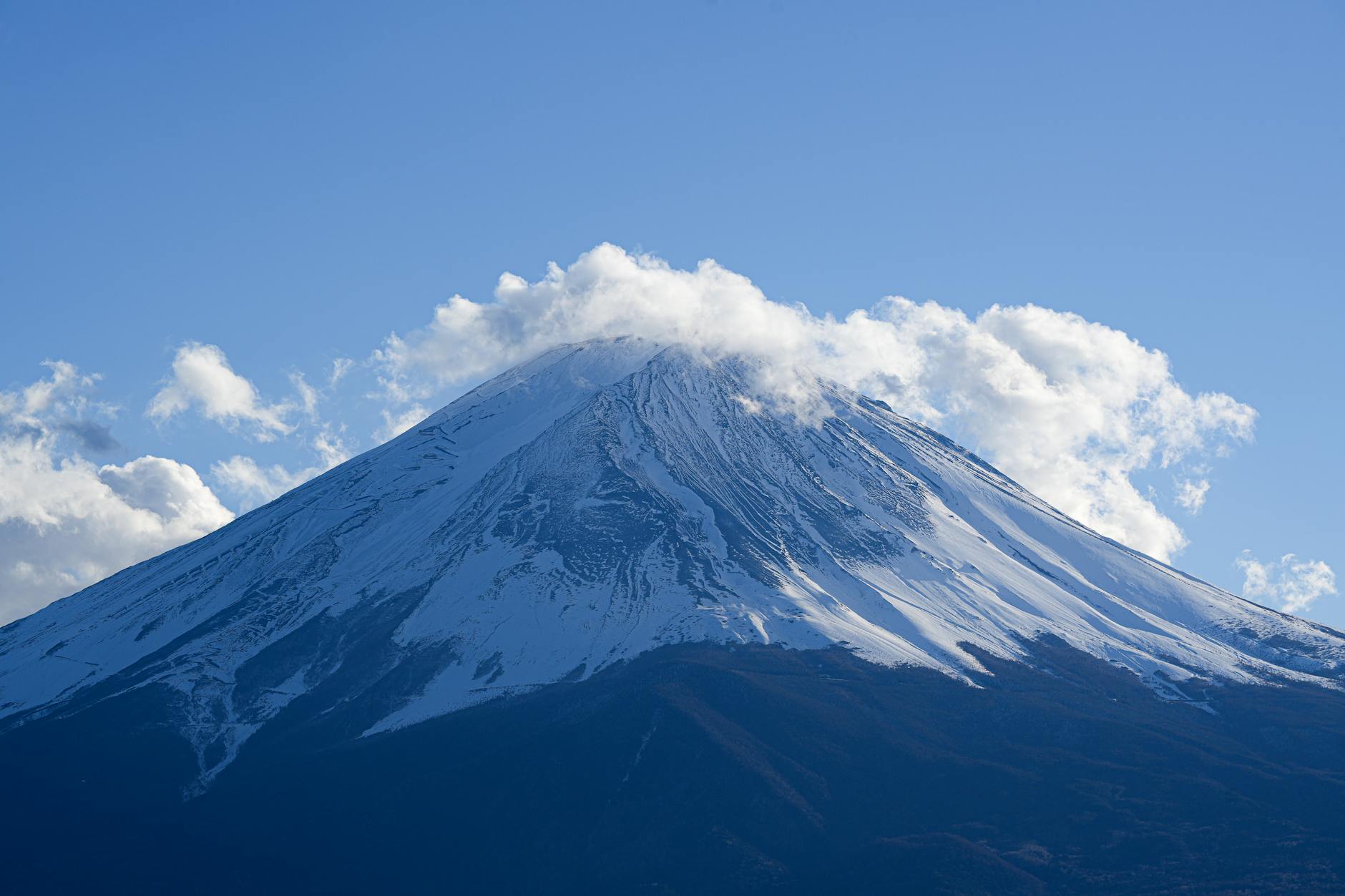
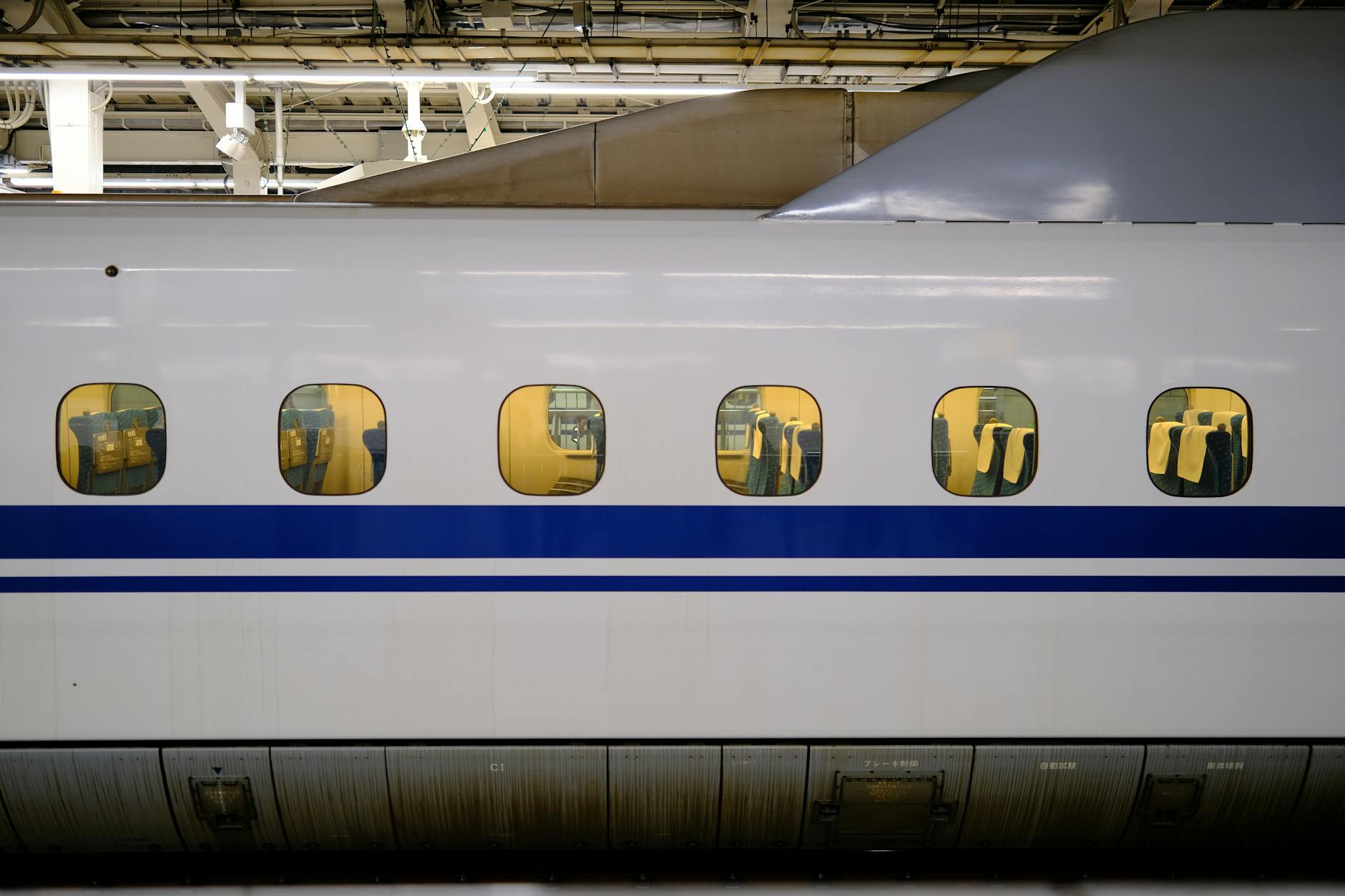
Japan’s winter air is clear and dry. Mt. Fuji is most visible in winter — from shinkansen windows, from Hakone, from countless viewpoints across the Kanto region. The mountain is snow-capped and sharp-edged against blue sky in a way that simply doesn’t happen in summer haze or spring humidity.
4. Onsen in Cold Weather
Hot springs (onsen) are enjoyable in any season but genuinely magical in winter. Sitting in a rotenburo (outdoor bath) while snow falls around you is the definitive Japanese winter experience — and one of the genuinely life-improving things about living here. This is only possible in winter. Onsen towns like Hakone (Kanagawa), Beppu (Oita), Kinosaki (Hyogo), Noboribetsu (Hokkaido), and Kusatsu (Gunma) are all excellent.
5. Winter Illuminations
Japan’s winter light festivals are spectacular and genuinely popular with Japanese visitors rather than being tourist performances. Major illuminations run from November through February at gardens, shopping districts, and landmark areas:
- Nabana no Sato, Mie Prefecture: Widely considered Japan’s best illumination — millions of LEDs across a flower park
- Ashikaga Flower Park, Tochigi: Famous in spring for wisteria, equally dramatic with winter illuminations
- Sapporo White Illumination (Nov–Mar): City centre decorated with lights, coinciding with Sapporo’s winter festival season
- Kobe Luminarie (Dec): Commemorative illumination since 1995 — arched corridors of light through the city centre
- Hamarikyu Garden, Tokyo: Traditional Japanese garden lit with lanterns in winter evenings
Plan Your Winter Japan Trip
The best time to visit Japan guide compares all seasons and months for different priorities. If you’re planning an itinerary, the 2-week Japan itinerary works well in winter with minor adjustments. For official winter event information and weather guidance, Japan’s official tourism winter guide is worth checking for the current year’s festival dates.
For the full picture on planning a Japan trip, the Japan travel guide hub covers transport, accommodation, and everything else.
Skiing and Winter Sports in Japan
Japan’s skiing is world-class — particularly in Hokkaido, which receives some of the world’s finest powder snow due to cold air from Siberia picking up moisture over the Sea of Japan. If you ski, Japan should be on your bucket list.
Hokkaido Ski Resorts
- Niseko United: Japan’s most internationally famous ski resort. Four separate mountains, interconnected. World-class powder, excellent English signage and instruction, strong international atmosphere. Accommodation in Hirafu is expensive by Japanese standards but affordable vs. comparable European or North American resorts. Peak: January–February. Book 3–4 months ahead for January.
- Furano: Less international than Niseko but arguably better powder consistency and fewer crowds. Excellent ski-in/ski-out accommodation. The lavender fields that make Furano famous in summer are buried under metres of snow — a completely different destination.
- Rusutsu: Large resort with three mountains and tree skiing. Often quieter than Niseko despite being just 30 minutes away. Particularly good for families.
- Tomamu: Known for its “sea of clouds” in warmer months; in winter it’s a full snow resort with excellent facilities and the famous Cloud Walk experience in snow conditions.
Honshu Ski Resorts
- Hakuba, Nagano: Used in the 1998 Winter Olympics. Ten resorts in one valley, excellent all-mountain terrain, strong international presence. 2.5 hours from Tokyo by bus. Good powder (not Hokkaido level, but solid) and extensive English services.
- Nozawa Onsen, Nagano: Traditional ski village combining genuine hot spring town culture with excellent skiing. One of Japan’s most atmospheric ski destinations — free public onsen (soto-yu) throughout the village, traditional wooden buildings, rice paddy-lined approaches.
- Naeba, Niigata: Large resort 2 hours from Tokyo. Heavy snowfall, good terrain variety, and combined with the scenic Kagura resort via cable car.
- Shiga Kogen, Nagano: Japan’s largest connected ski area — 21 individual resorts on one mountain. Extensive terrain, convenient access from Nagano city.
Winter Festivals and Events
- Sapporo Snow Festival (early February): The signature Japanese winter event — enormous snow and ice sculptures across three main sites in Sapporo. Book accommodation 3–4 months ahead. The city fills with Japanese and international visitors.
- Nara Wakakusayama Burning (late January): The entire hillside of Wakakusa mountain in Nara is set on fire. Fireworks. Torches. Genuinely spectacular and unlike anything else in Japan. Free to watch from below.
- Oshogatsu / New Year (Dec 31–Jan 3): Japan’s most important holiday — hatsumode (first shrine visit), special New Year foods (osechi ryori), families gathering. First three days of January have crowds at major shrines. After January 3rd, Japan quiets down quickly.
- Yokohama Chinatown Chinese New Year (January/February): Japan’s largest Chinatown celebration — lion dances, lanterns, street food. The exact date shifts with the lunar calendar.
- Setsubun (February 3): Bean-throwing ceremony at shrines and temples across Japan — oni (demons) cast out, good luck welcomed in. Roaring monk performers in demon masks at major temples like Tofukuji in Kyoto are worth seeing.
What to See and Do in Japan in Winter (Without Skiing)
Kyoto in Winter
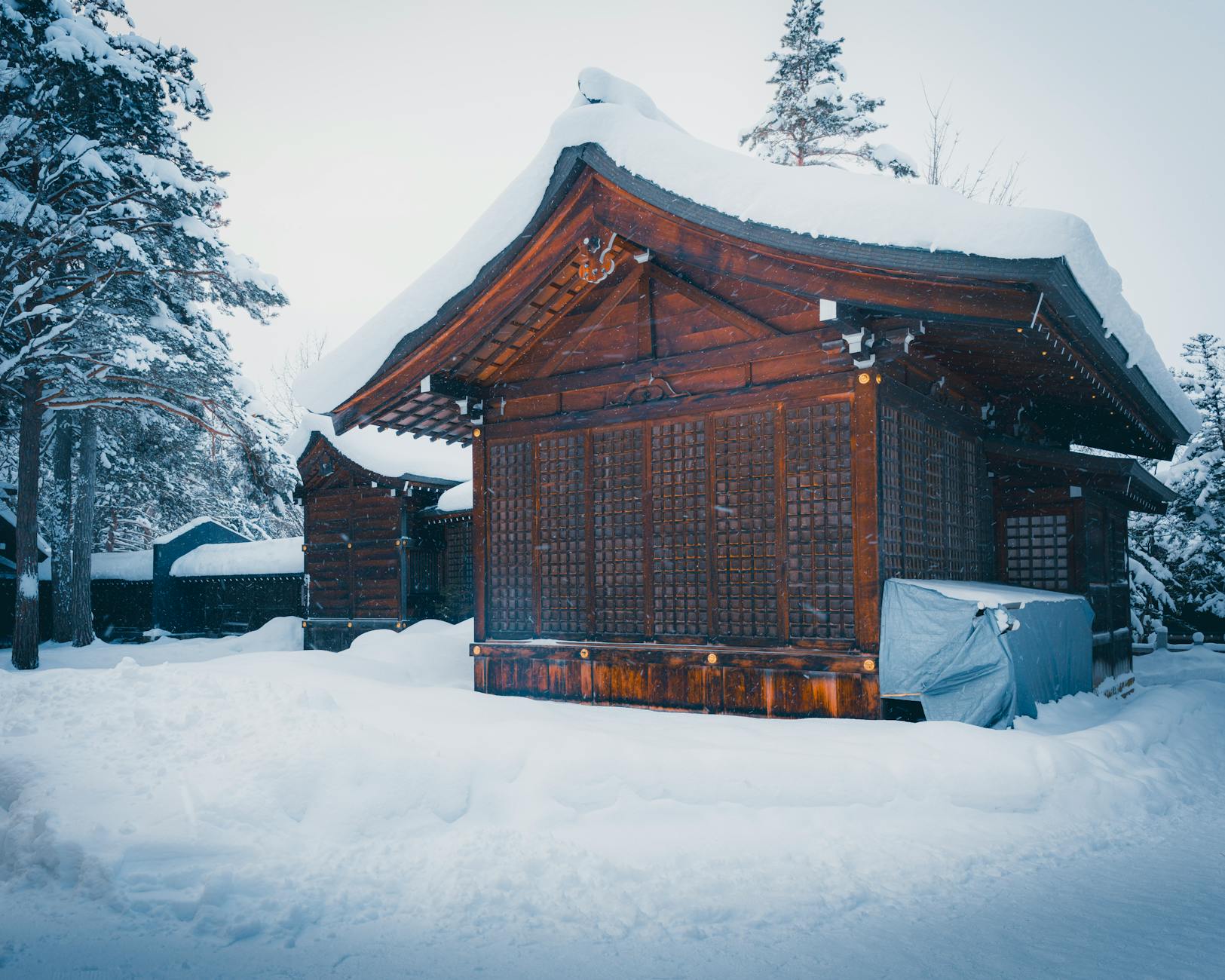
Kyoto in winter is quietly exceptional. The crowds that make autumn and spring overwhelming are reduced to manageable levels. Zen temple gardens look entirely different blanketed in frost or light snow. Key experiences:
- Snow-dusted Kinkakuji (Golden Pavilion) — one of Japan’s most iconic images
- Arashiyama bamboo grove in morning frost — atmospheric in ways summer doesn’t allow
- Philosopher’s Path without a stream of selfie sticks
- Nishiki Market in winter — seasonal vegetables, pickles, tofu, hotpot ingredients
Hakone
The onsen resort town closest to Tokyo — 85 minutes by Romancecar from Shinjuku. Famous for Mt. Fuji views (winter is the clearest), outdoor hot spring baths, and the Open Air Museum. A perfect weekend trip from Tokyo in winter when accommodation prices are 30–40% lower than peak season.
Hiroshima and Miyajima in Winter
Hiroshima in winter is calm, contemplative, and moving. The Peace Memorial Park and Museum are best experienced when quiet. Miyajima Island with morning mist and the floating torii gate, deer wandering through empty lanes — winter strips away the peak-season photo crowd and leaves something more genuine.
Okinawa in Winter
If you genuinely cannot tolerate cold weather, Okinawa is Japan’s subtropical escape. December through February sees temperatures of 15–21°C — cool enough for a jacket, warm enough to walk around comfortably. The sea is too cold for swimming (water temperature drops to 19–21°C) but the island is beautiful, uncrowded, and distinctly un-mainland-Japan.
What to Pack for Japan in Winter
- Tokyo / Osaka / Kyoto: Winter coat, thermal base layers, warm sweater, scarf, gloves for evenings. Layering is key — heated shops and trains mean you’re constantly adjusting. Good walking boots (non-slip if visiting in January).
- Hokkaido (Sapporo, ski areas): Serious winter gear. Proper insulated jacket, thermal layers, waterproof ski pants, waterproof boots with grip, wool or synthetic socks. Not a place for fashion coats.
- Okinawa: Light layers — a warm jacket for evenings, t-shirts for days. Rain jacket is more useful than a heavy coat.
For onsen visits: a small towel (or buy one at the facility), minimal toiletries. Many ryokan provide yukata (cotton robe) and basic toiletries — check what’s included before packing.
Budget: Japan in Winter vs. Peak Season
The price difference between January (off-peak) and April (cherry blossom) can be significant:
- Hotel in Kyoto: ¥8,000–12,000/night in January vs ¥20,000–30,000+ in April peak
- Flights to Japan from the US/UK/Australia: 15–30% cheaper in January vs spring
- Popular restaurants: No queue for most places vs 30–60+ minute waits in peak season
If you’re budget-conscious and want a rich Japan experience, January (after New Year) through mid-February is when the country becomes genuinely accessible at lower cost. The only exception is ski resorts — January is peak season in Niseko.
The Bottom Line
Winter in Japan rewards the traveller who doesn’t need Instagram-perfect weather. The cold is manageable. The crowds are not a problem. The price is right. And for specific experiences — sitting in a snowside rotenburo onsen, watching Kyoto’s temples frost over, skiing Hokkaido’s legendary powder — winter is the only time.
If you’ve been to Japan in spring or autumn and want to see a different side of the country, January is one of the most effective answers.