You researched Japan for years before moving. You watched the YouTube vlogs, read the expat forums, maybe even consulted the Japan National Tourism Organization’s guide to living in Japan, and maybe even studied the language. Then you arrived, and something was still off. Japan is not what you expected — even when your expectations were accurate.
That’s the particular cruelty of Japan culture shock. It doesn’t come from ignorance. It comes from the gap between knowing something intellectually and living it bodily, daily, for months.
The Honeymoon Phase: It’s Real, Then It Ends
The first 4-8 weeks are electric. Everything is novel and functional and clean. The trains run on time. The convenience store onigiri is better than most restaurants at home. You feel safe walking at 2am. You’re thinking: why didn’t I do this sooner?
Then, somewhere around month 2-4, the novelty exhausts itself. The same experiences stop generating wonder and start generating fatigue. You realize you can’t read the sign at the doctor’s office. You got your garbage collection day wrong again and the bag was rejected. Your coworkers have been having a conversation for 20 minutes and you understood maybe 40% of it.
This is normal. It’s the standard expat arc and Japan runs it particularly hard because the contrast with Western social norms is particularly sharp.
The Silence in Public
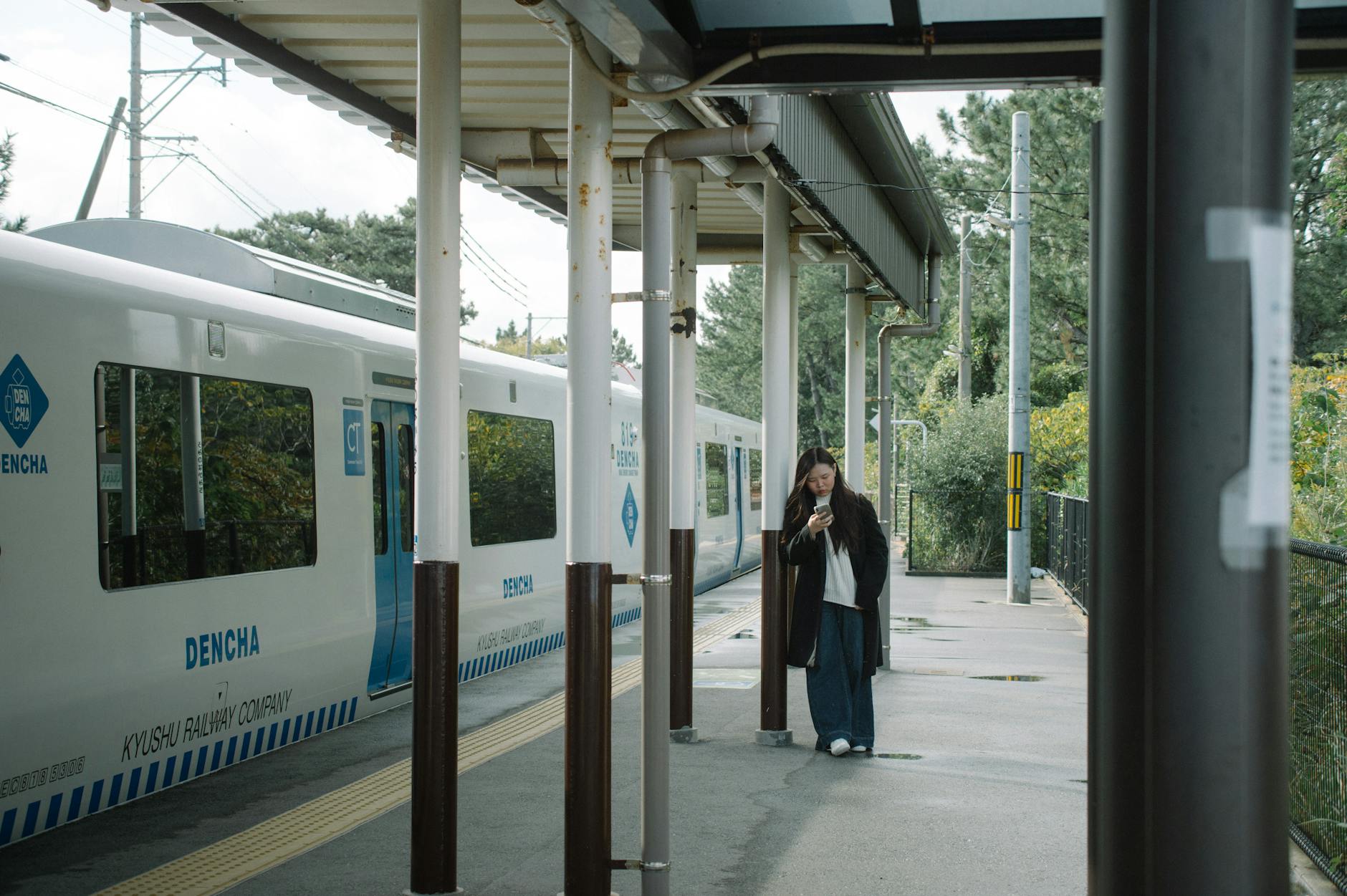
Japan is quiet. Not library-quiet — socially quiet. On the train, nobody talks on the phone. Nobody talks loudly to friends. Nobody makes unnecessary noise. The baseline volume of public life is significantly lower than almost anywhere in the world.
For some people this is a relief. For others, it becomes isolating. The silence starts to feel like a metaphor. You’re surrounded by people and nobody is engaging with you — and not out of hostility, just out of an entirely different framework for what constitutes appropriate public behavior.
You’re not being ignored. You’re being respected. That distinction takes time to feel rather than just understand.
The Foreigner Box
Japan has a category for you: gaijin (外人, foreigner). It’s not malicious. It’s just real. No matter how long you live here, how fluent you become, how fully you participate in Japanese life, some portion of the population will always see you as a permanent guest. Not bad, not unwelcome — just fundamentally other.
This manifests in small ways. People switching to English when you’re clearly managing fine in Japanese. Being complimented on your chopstick use. Subtle assumptions that you don’t understand rules or customs that you’ve followed for years. The “otaku foreigner” phenomenon — being treated as an enthusiast of Japan rather than a participant in it.
For some people this is fine. For others it’s exhausting. There’s no clean resolution — only your own calibration of how much it matters to you versus what you’re getting from life here.
Garbage Rules and Neighbour Judgment
Japan takes garbage seriously. Every municipality has its own rules — which bags are acceptable, which day is for which category (burnables, non-burnables, plastics, glass, cardboard), what time to put it out, and where exactly. Getting this wrong is a social transgression.
Your building may have a garbage management committee. Other residents may note whether your garbage is correctly sorted. A bag put out on the wrong day will be left there with a sticker explaining the error. This is not passive-aggressive — it’s just how the system is maintained. Learn the rules early and follow them. It’s also a good way to meet your neighbours.
The Isolation of Not Reading Anything
This one sneaks up on people. Japan’s written environment is almost entirely in Japanese. Menus, signs, forms, instructions, flyers — all Japanese. In the first months, you’re making thousands of small decisions daily based on incomplete information. You guess at what a form is asking. You order based on the picture. You hope the train announcement doesn’t require action.
It’s cognitively exhausting. Even people with conversational Japanese find reading slower and more draining than listening. The solution is time — Japanese literacy does come with exposure — but the gap between arrival and comfortable reading is typically 1-2 years of active study.
Indirect Communication: Misreading Everything
Japanese communication is famously indirect. “That might be difficult” means no. “We’ll consider it” often means no. A slow “sou desu ne” with a sharp intake of breath means no. Actual enthusiasm looks different from polite performance of enthusiasm.
You will misread people. You’ll think someone is happy with something when they’re quietly tolerating it. You’ll think you’ve resolved a conflict when it’s actually been filed away. You’ll interpret politeness as warmth and be confused when warmth doesn’t follow.
The calibration takes time and local friends who will honestly explain what they meant.
Safe But Lonely: The Japan Paradox
Japan is one of the safest countries on earth. The crime rate is genuinely low. You can leave things unattended, walk anywhere at night, and generally operate without the low-level threat vigilance that life in many other places requires.
And yet many foreigners in Japan describe profound loneliness. The safety and cleanliness and efficiency are real — but so is the social distance. Deep friendships take much longer to form here than in Western contexts. The social structures (work teams, school groups, neighborhood associations) that create community for Japanese people aren’t always accessible to foreigners in the same way.
Finding your community is not passive. It requires effort: language exchange groups, sports teams, expat communities, hobby circles. The people who thrive long-term are the ones who built genuine social networks — not just work acquaintances — within their first year.
When It Clicks
There’s a moment — usually around year 1-2 — where the friction reduces. You know how to handle the garbage. You know what the train announcement means. You know when someone’s polite refusal is actually a maybe. The city stops being a series of obstacles and starts being home.
It doesn’t happen all at once. It’s cumulative — one small competency added to another until you realize you’ve stopped feeling like a visitor.
That shift is worth waiting for. For everything you need to prepare before and after arrival, the moving to Japan guide covers the practical groundwork. And for the full landscape of expat life in Japan, the living in Japan hub is where everything connects.