Japan’s national health insurance system covers every resident — foreign nationals included. Once you’re registered, medical costs are dramatically lower than the uninsured rate. Here’s how it works, what you pay, what’s covered, and how to actually use it.
Two Types of Health Insurance in Japan
Understanding the difference between the two main systems saves confusion:
Shakai Hoken (社会保険) — Employer Health Insurance
If you work full-time at a company above a certain size, you’re automatically enrolled in shakai hoken — Japan’s employee social insurance. Your employer pays roughly half the premium. This covers health insurance, pension, employment insurance, and workers’ accident insurance.
- Deducted automatically from salary
- Premium: approximately 10% of salary (employee portion ~5%, employer matches)
- Coverage: same 70/30 co-pay structure as NHI
- If you leave employment, you must switch to NHI or continue shakai hoken temporarily (COBRA equivalent called ninkizoku)
Kokumin Kenkō Hoken (国民健康保険) — National Health Insurance (NHI)
For everyone else: freelancers, students, part-time workers, new arrivals, and those between jobs. NHI is administered by municipal governments and premiums vary by city and income. This is what you enroll in at city hall.
Who Needs to Enroll in NHI
You must enroll in Japan’s health insurance system if you are:
- A foreign national with a residence card (i.e., any long-term visa)
- NOT already covered by shakai hoken through employment
You must enroll within 14 days of registering your address at city hall. Failing to enroll doesn’t exempt you — it just means you accumulate unpaid premiums that are charged retroactively, plus potential late fees.
How NHI Premiums Are Calculated
NHI premiums are based on your previous year’s income (per municipality’s formula). The premium has two components:
- Income-based portion: A percentage of previous year’s income above a basic deduction
- Per-person (per-household) flat rate: A fixed amount per insured person
The exact rates vary by municipality. As a general guide, Osaka City’s 2026 rates (representative of urban rates):
| Previous Year Income | Annual NHI Premium (Approx.) | Monthly |
|---|---|---|
| ¥0 (new arrival, no Japan income) | ¥20,000–30,000 | ¥1,700–2,500 |
| ¥1 million | ¥65,000–85,000 | ¥5,400–7,000 |
| ¥2 million | ¥115,000–145,000 | ¥9,600–12,000 |
| ¥3 million | ¥165,000–195,000 | ¥13,750–16,250 |
| ¥4 million | ¥200,000–235,000 | ¥16,700–19,600 |
| ¥5 million+ | ¥250,000–300,000 (cap varies) | ¥20,800–25,000 |
Important: Your first year in Japan typically has very low NHI premiums because you had no Japan-source income in the prior year. Second year premiums increase significantly based on what you actually earned. This surprises many new residents — budget for it.
Maximum annual NHI premium (national cap as of 2026): ¥870,000/year across all NHI components. Actual cap varies by municipality and income type.
Related Living in Japan Resources
Health insurance is one piece of the Japan residency picture. The how to move to Japan guide covers the full first-month administrative setup. For the cost context, the cost of living guide includes monthly health insurance estimates. And for tax implications of your Japan income, the taxes in Japan for foreigners guide covers the annual filing process.
Official information: the Ministry of Health, Labour and Welfare publishes English-language NHI information, and most city offices have multilingual support for NHI registration.
How to Enroll in NHI
- Register your address at your local city/ward office (kuyakusho) — this must be done first
- At the same window or a separate NHI window, request NHI enrollment (kokumin kenkō hoken no kanyū)
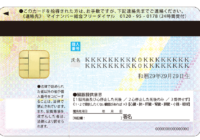
- Bring: passport, residence card, My Number (if you have it already), and any income documentation
- Your NHI card (hoken shō) is issued on the spot or by mail within a week
What NHI Covers: The 70/30 System
Japan’s health insurance system pays 70% of approved medical costs. You pay 30% out-of-pocket at point of service (jiko futan). This applies to:
- Doctor consultations and examinations
- Hospital stays (basic room charges; semi-private/private rooms charged separately)
- Surgery and procedures
- Prescription medications on the approved drug list
- Basic dental treatment
- Maternity care (some specifics apply)
- Mental health consultations and treatment (covered but limited — see below)
What You Actually Pay at the Doctor
The 30% co-pay sounds significant but works out very affordable in practice:
- GP consultation for a common illness: ¥1,000–2,500 out of pocket
- Blood tests with consultation: ¥2,000–4,000 out of pocket
- Hospital outpatient appointment: ¥2,000–5,000
- Prescription drugs (one course): ¥500–2,000
- Emergency room visit with basic treatment: ¥5,000–10,000
High-Cost Medical Care: The Safety Net
Japan has an excellent high-cost medical care safety net called kōgaku ryōyō hi seido (高額療養費制度). If your medical bills exceed a monthly threshold based on your income, the excess is covered — the cap for most income levels is ¥80,100–¥150,000/month. For catastrophic illness requiring extended hospital care, you’re protected from financial ruin.
Dental Coverage Under NHI
Basic dental treatment is covered by NHI — extractions, standard fillings, and root canals are included at the 30% co-pay rate. However:
- Cosmetic dental work is NOT covered (teeth whitening, aesthetic veneers)
- Implants are generally not covered under standard NHI
- Silver amalgam fillings are covered; white ceramic alternatives often are not (or require co-payment upgrade)
- Orthodontics is not covered unless medically necessary (jaw alignment issues)
Reality: a standard filling at a Japanese dentist runs ¥1,000–2,500 out of pocket under NHI. Dental care in Japan is affordable for routine treatment and the quality is high.
Mental Health Coverage
Mental health treatment is covered by NHI — psychiatry, clinical psychology consultations, and psychiatric medication. However:
- English-speaking psychiatrists are limited outside major cities
- Counselling (therapy sessions) is covered only when conducted by a licensed psychiatrist or at designated clinics — not all counsellors in Japan bill through NHI
- Mental health awareness and access has improved significantly but remains less comprehensive than equivalent systems in some Western countries
Maternity and Childbirth
Childbirth itself is classified as a “non-illness” event in Japan’s system and was not covered by NHI until 2023. A lump-sum childbirth payment (shussan ikuji ichijikin) of ¥480,000 (increased from ¥420,000 in 2023) is paid to offset delivery costs. Actual delivery costs vary widely by hospital and birth method — the payment covers most standard deliveries at public hospitals but may not fully cover private hospitals or caesarean sections.
Prenatal care checkups (¥3,000–5,000 per visit at 30%) are covered by NHI. Municipalities also issue maternity checkup subsidy vouchers that reduce costs further.
Using Your NHI Card at the Doctor
- Present your residence card and NHI card (hoken shō) at reception
- Many clinics now use My Number cards instead of the physical NHI card — check if your clinic is registered
- Fill in a brief registration form (Japanese but standard format)
- See the doctor; treatment is given
- Pay 30% at checkout; receive receipt (ryōshūsho)
Walk-in appointments are common in Japan — many clinics don’t require advance booking. However, popular clinics can have long waiting times (1–2 hours). Some areas now have online appointment systems.
Taking Your NHI Card to a Pharmacy
After a doctor’s appointment, you receive a shohōsen (prescription). Take this to any pharmacy (yakkyoku) — pharmacies in Japan are separate from hospital dispensaries in most cases. Present your NHI card; the pharmacist fills the prescription and you pay 30% of the medication cost.
Switching from NHI to Shakai Hoken
When you start employment at a company that provides shakai hoken:
- Your employer registers you for shakai hoken automatically
- You must then go to city hall and withdraw from NHI — failing to do this means you’re being billed for both
- Bring your shakai hoken card (issued by employer) and NHI card to city hall to disenroll from NHI
What About Travel Insurance While in Japan?
NHI is for residents. If you’re visiting Japan as a tourist, standard travel insurance is what covers medical costs. Japan’s medical care is accessible without NHI but at full cost — routine doctor visits run ¥3,000–8,000 without insurance, hospital stays much more. Travel insurance is strongly recommended for visitors.
The Bottom Line
Japan’s health insurance system is one of the country’s genuine advantages for foreign residents. Once enrolled, routine medical care is affordable and the quality of care is high. The premium is income-based and starts low for new arrivals. Enroll within 14 days of registering at city hall — it’s not optional, and being uninsured in Japan is both illegal as a resident and financially risky.