TL;DR
- Japan began issuing the redesigned standard zairyu card on June 14, 2026. It has a pinkish-reddish design and updated card data.
- The standard card is not the optional Specified Residence Card (Tokutei Zairyu Card), which combines residence-card and My Number functions.
- Some identity-verification services cannot read the new IC-chip format reliably. PayPay, Japan Post Bank (Yucho), and Mercari are recurring examples.
- This week: keep physical documents ready, ask for branch-counter verification, contact the service, and check MOJ notices before replacing anything.
What the new zairyu card design looks like
Starting June 14, 2026, Japan’s Immigration Services Agency began issuing residence cards with an updated design. Compared with the older blue-green gradient, the new card uses a pinkish-reddish gradient and revised layout. It displays a photo for holders aged 1 year or older.
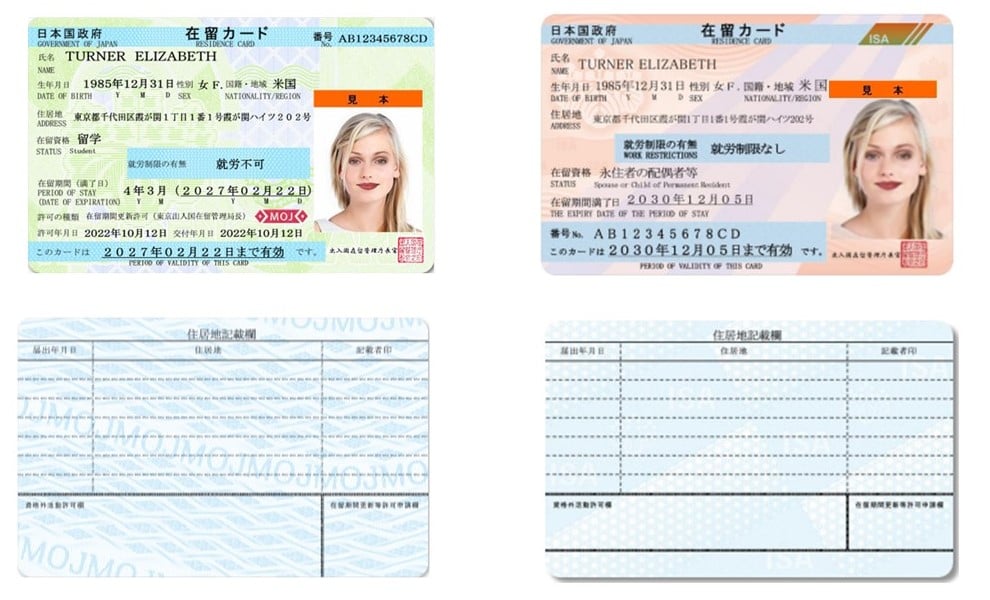
The visual change is easy to see, but some apps and readers have not yet handled the updated IC-chip format correctly. A card can look normal and still fail during online identity verification.
New design vs. Specified Residence Card: two different things
Search results often mix these topics. Do not assume every pinkish new card is a My Number combination card.
| Card | What it means | What changes |
|---|---|---|
| Standard redesigned zairyu card | The regular residence card issued in the updated format from June 14, 2026. | New appearance and chip/data format; some apps may fail to read it. |
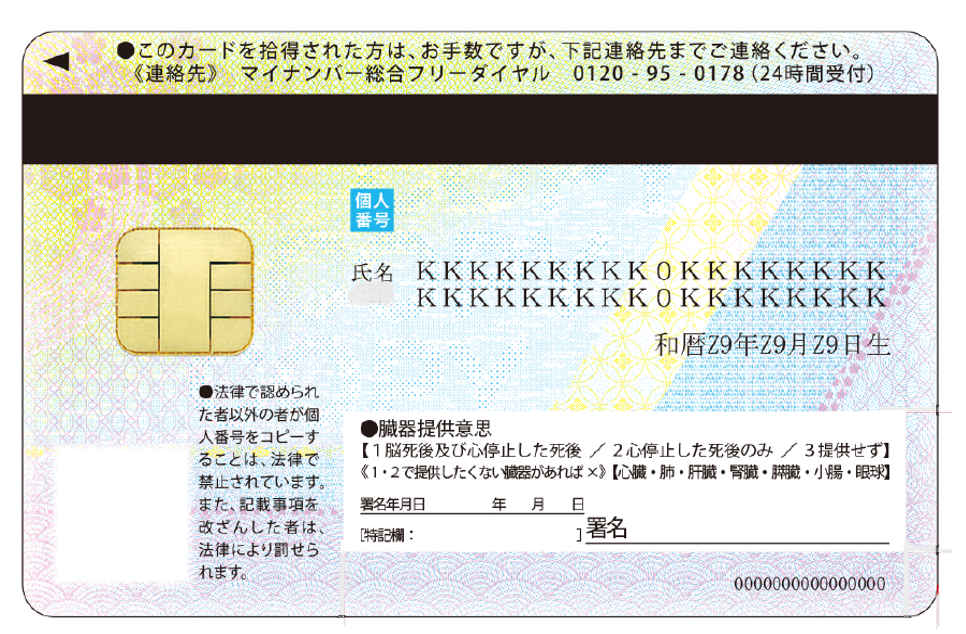
| Specified Residence Card (Tokutei Zairyu Card) | A separate combined-card option for residence-card and My Number functions. | The “combo card”; the ordinary redesigned card does not automatically have those functions. |
Check the exact card type and the service’s current instructions before troubleshooting.
Why the IC chip fails on PayPay, Japan Post Bank, and Mercari
Residents report rejection when completing identity checks, updating residence-card details, or reading the card through an app. PayPay, Japan Post Bank (Yucho), and Mercari are recurring examples. The symptoms can look like a broken card, but the failure may be software compatibility rather than physical damage.
PayPay’s official notice says residence cards issued on or after June 14, 2026 cannot be used for PayPay identity verification for now. For Yucho and Mercari, use current support or branch instructions.
What the MOJ says about the timeline
The MOJ says that, when new-format cards are read with the Residence Card Reader Application, “Period of Stay,” Type of Permission,” and “Date of Permission” are not displayed because they are no longer printed on the card surface. The MOJ plans an updated reader application by September 2026.
This is an official reader-app timeline, not a guarantee that every private app will be compatible on the same day. PayPay, Yucho, Mercari, and other services control their own updates.
MOJ Immigration Services Agency
| Date | Documented event |
|---|---|
| June 14, 2026 | New-format cards began being issued; PayPay’s notice refers to cards issued on or after this date. |
| June 23, 2026 | MOJ information describes fields the new-format reader cannot display. |
| September 2026 | MOJ plans an updated Residence Card Reader Application; private services may differ. |
What to do if your new card will not scan
- Do not replace the card just because an app rejects it. Check for a compatibility notice.
- Use a counter or paper route. Ask which documents are required.
- Save the error and support reference. Use them when you retry.
- Contact the service and follow its current instructions.
- Watch official updates. Private-app updates may not match the MOJ date.
Summer 2026 checklist for JETs, ALTs, and other arrivals
If you are arriving for a summer 2026 placement, plan for a different-looking card and online checks that may not work immediately:
- Keep your passport, residence card, and other documents your employer, city office, bank, or service tells you to bring.
- Ask your bank or Japan Post Bank whether a branch-counter process is available if the app cannot read the chip.
- Set up essential services with time for a retry; do not leave every identity check until the day you need a payment.
- Bookmark the MOJ page and official notices for the services you use, and share the warning with your cohort.
FAQ: the new zairyu card design and IC-chip problems
Is the new design the same as the My Number combo card?
No. The standard redesigned zairyu card is the regular residence card in the new format. The Specified Residence Card is the separate combined residence-card and My Number option. Check the exact card name in the notice you are reading.
Why does PayPay fail to read my new zairyu card?
PayPay’s official notice says residence cards issued on or after June 14, 2026 cannot be used for PayPay identity verification for now. That points to a compatibility limitation, not necessarily a damaged card. Check PayPay’s notice for updates.
Do I need to replace my card again?
Not just because PayPay, Yucho, Mercari, or another app rejects the chip. Ask the issuer or service whether your card itself is defective and follow official replacement instructions. If the problem is an app’s inability to read the new format, replacing it may not solve the problem.
When will the chip be fixed?
The MOJ plans an updated Residence Card Reader Application by September 2026. That is the government reader-app timeline, not one promised date for every private service. PayPay, Japan Post Bank, Mercari, and other providers may publish their own updates.
Can I still open a bank account or use Japan Post Bank?
A failed app scan does not answer that by itself. Contact Japan Post Bank or visit a branch and ask what in-person verification and documents are currently accepted. Requirements vary, so follow Yucho’s instructions rather than a social-media workaround.
Official sources
- MOJ Immigration Services Agency: What is a Zairyu Card?
- MOJ: Tokutei / Specified Residence Card information
- PayPay official notice on residence-card identity verification
- MOJ new-format Residence Card leaflet (English/Japanese PDF)
— Asuka